
Jesus Christ
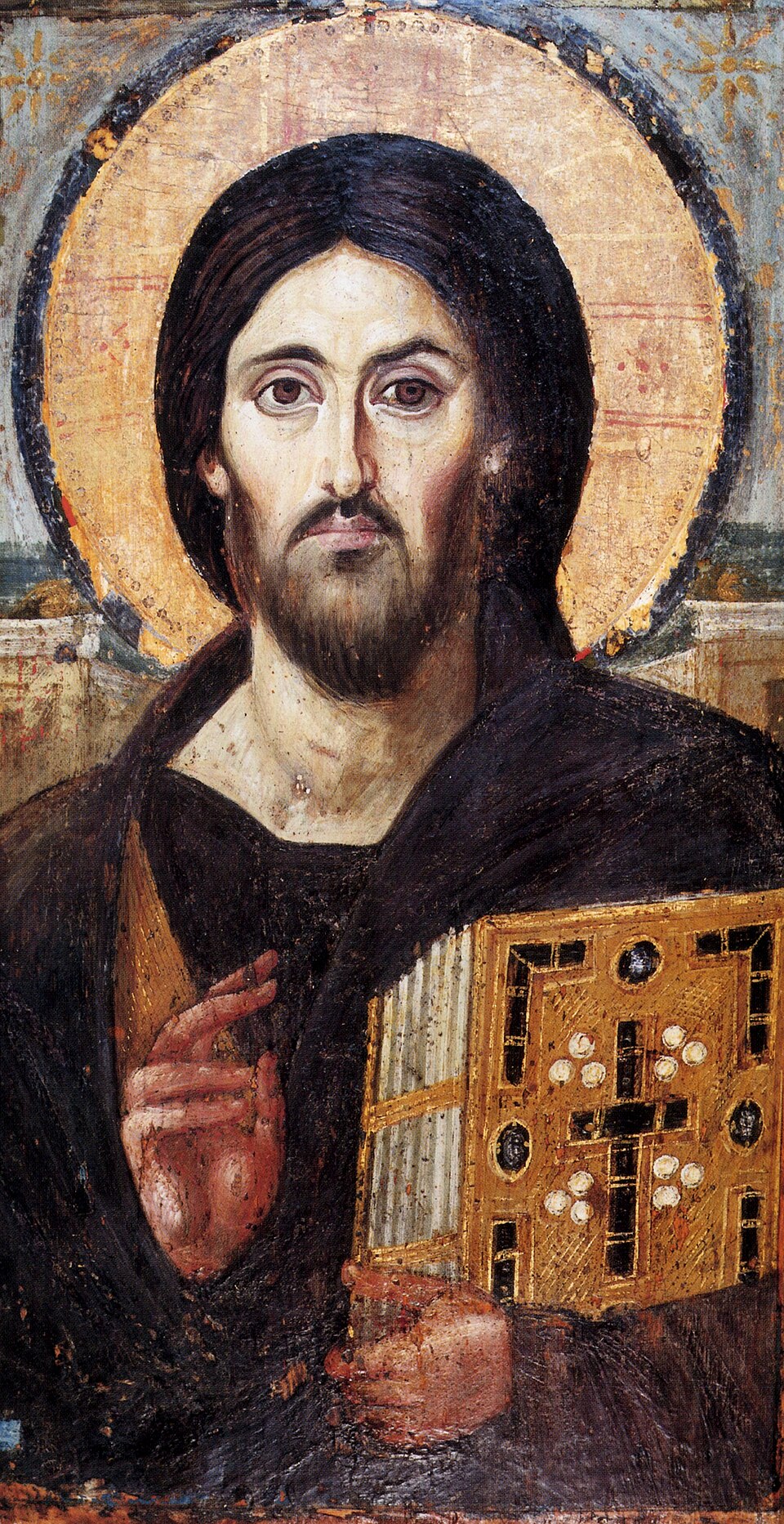
0 sources
Summary
Jesus Christ is a deity[1]. He was born in Bethlehem[2]. He died in Calvary[3]. He worked as a preacher[4], prophet[5], carpenter[6], rabbi[7], and thaumaturge[8]. He ranks in the top 0.21% of deity entities by monthly Wikipedia readership (195,613 views/month, #1 of 486).[9]
Key Facts
- Place of birth: Nazareth[10]
- Place of burial: Church of the Holy Sepulchre[11], Talpiot Tomb[12], Garden Tomb[13], empty tomb[14], Jerusalem[15], tomb of Jesus Christ[16]
- Father: God the Father[17]
- Mother: Mary[18]
- Country of citizenship: Herodian Kingdom of Judea[19]
- Native language: Galilean dialect[20], Biblical Hebrew[21], Aramaic[22]
- Ethnic group: Jewish people[23]
- Occupation: religious leader[24], healer[25], Messiah[26], preacher[27], teacher[28], intercession of saints[29], father of faith[30], tektōn[31], pastor[32]
- Field of work: carpentry[33], Christian ministry[34]
- Position held: prophet[35]
- Religion or worldview: Judaism[36], Essenes[37]
- Sex or gender: male[38]
- Instance of: human biblical figure[39], mythical character[40], Quranic character[41], God in Christianity[42], Salvator Mundi[43]
- Family: Holy Family[44], Davidic line[45]
- Noble title: King of Poland[46]
- Movement: apocalypticism[47]
- Genre: parable[48]
- Based on: Osiris[49]
- Depicts: Christ[50]
- Official residence: heaven[51]
- Commons category: Jesus Christ[52]
- Said to be the same as: Jesus in Islam[53], Yeshu[54], Christ Child[55]
Body
Works and Contributions
Things named for Jesus Christ include Christianity[56], Society of Jesus[57], Archbasilica of St. John Lateran[58], Salvador[59], Cathedral of Christ the Saviour[60], San Salvador[61], The Jesus and Mary Chain[62], and Christ Church[63].
Why It Matters
Jesus Christ has Wikipedia articles in 30 language editions, a strong signal of global cultural recognition.[64] He is known by 230 alternative names across languages and contexts.[65]
He has been cited as an influence by Paul the Apostle[66], a writer[67], 0005–0066[68], of Ancient Rome[69]; Hannah Arendt[70], a philosopher[71], 1906–1975[72], of Prussia[73], awarded the Guggenheim Fellowship[74], specialised in political philosophy[75]; Jerome[76], a cleric[77], 0345–0420[78], of Ancient Rome[79]; Viktor Bout[80], an arms trafficker[81], b. 1967[82], of Soviet Union[83], specialised in entrepreneurship[84]; Santa Faustina Kowalska[85], a religious sister[86], 1905–1938[87], of Russian Empire[88], specialised in gardening[89]; and Nikos Kazantzakis[90], a writer[91], 1883–1957[92], of Greece[93], awarded the Greek State Literary Awards[94], specialised in poetry[95].
Works attributed to him include Sermon on the Mount[96], a sermon[97]; Beatitudes[98], a literary work[99]; Parable of the Sower[100]; Parable of the Lost Sheep[101]; Parable of the Lost Coin[102]; and Parable of the Unjust Judge[103]. Entities named for him include Christianity[56], Society of Jesus[57], Archbasilica of St. John Lateran[58], Salvador[59], Cathedral of Christ the Saviour[60], and San Salvador[61].
FAQs
Where was Jesus Christ born?
Jesus Christ was born in Bethlehem[2].
Where did Jesus Christ die?
Jesus Christ passed away in Calvary[3].
Who were Jesus Christ's parents?
Jesus Christ's father was God the Father[17]. Jesus Christ's mother was Mary[18].
What did Jesus Christ do for work?
Jesus Christ worked as a preacher[4], prophet[5], carpenter[6], rabbi[7], and thaumaturge[8].
Who did Jesus Christ influence?
Jesus Christ has been cited as an influence by Paul the Apostle[66], Hannah Arendt[70], Jerome[76], and Viktor Bout[80].