
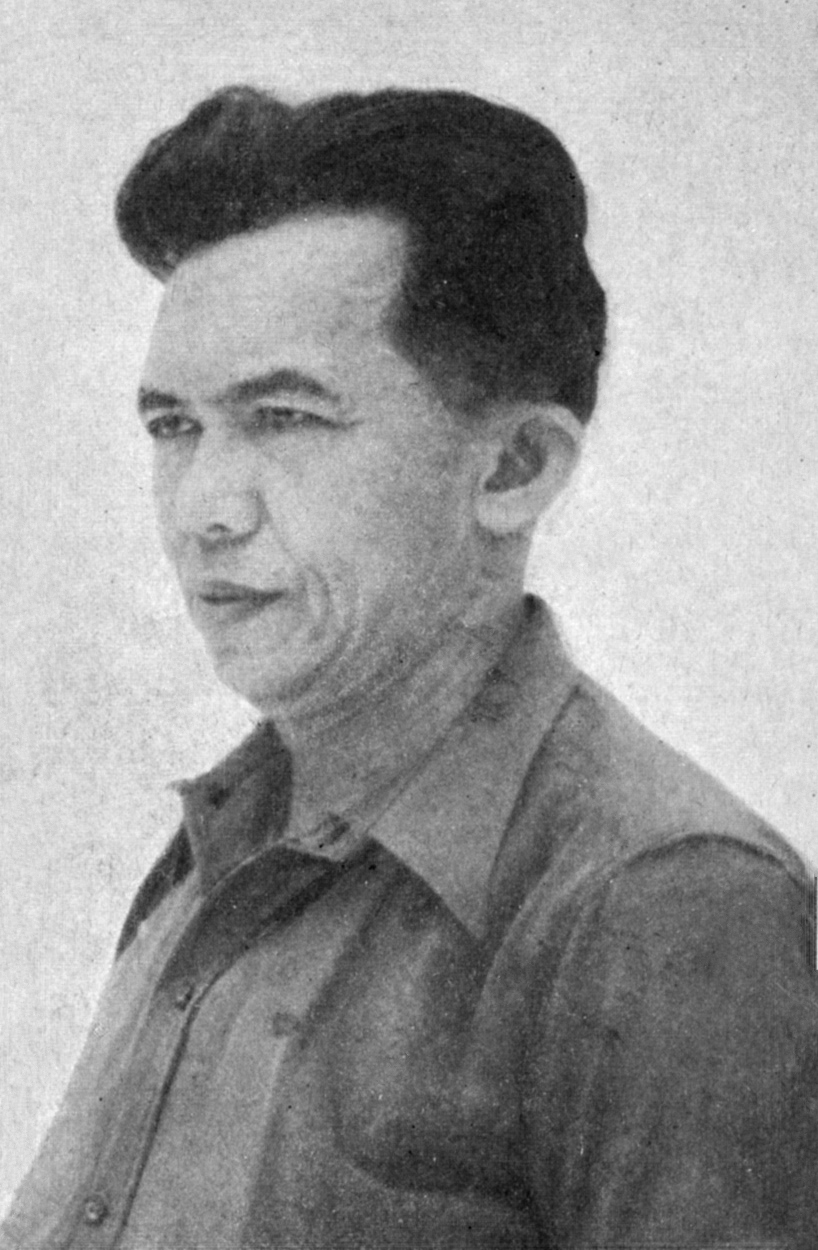
Tan Malaka
0 sources
Tan Malaka
Summary
Tan Malaka is a human[1]. His place of birth was Pandam Gadang[2]. He was born on June 2, 1897[3]. He died in Selopanggung[4]. He died on February 19, 1949[5]. He worked as a politician[6] and teacher[7]. He has Wikipedia articles in 13 language editions, a strong signal of global cultural recognition.[8]
Key Facts
- Tan Malaka's place of birth was Pandam Gadang[2].
- Tan Malaka passed away in Selopanggung[4].
- Tan Malaka was born on June 2, 1897[3].
- Tan Malaka died on February 19, 1949[5].
- Tan Malaka is identified as part of the Minangkabau ethnic group[9].
- Tan Malaka's professions included politician[6].
- Tan Malaka worked as a teacher[7].
- Tan Malaka's education included a stint at Communist University of the Toilers of the East[10].
- Tan Malaka was educated at Erasmus University Rotterdam[11].
- Tan Malaka's education included a stint at Kweekschool Fort de Kock[12].
- A notable work attributed to Tan Malaka is The Mass Action[13].
- A notable work attributed to Tan Malaka is Madilog[14].
- A notable work attributed to Tan Malaka is Gerpolek[15].
- A notable work attributed to Tan Malaka is From Jail to Jail[16].
- Tan Malaka received the National Hero of Indonesia[17].
- Tan Malaka was a member of Perhimpoenan Indonesia[18].
- Tan Malaka is recorded as male[19].
- Tan Malaka's instance of is recorded as human[20].
- Tan Malaka was affiliated with the Communist Party of Indonesia[21].
- Tan Malaka was affiliated with the Murba Party[22].
- Tan Malaka's Commons category is recorded as Tan Malaka[23].
- Tan Malaka's given name is recorded as Tan[24].
- Tan Malaka studied under Oemar Said Tjokroaminoto[25].
- Tan Malaka's described by source is recorded as Ensiklopedia Tokoh 1001 Orang Minang[26].
- Tan Malaka's languages spoken, written or signed is recorded as Indonesian[27].
Body
Origins and Family
Tan Malaka was born in Pandam Gadang[2]. He was born on June 2, 1897[3]. He is identified as part of the Minangkabau ethnic group[9].
Education
Educated at Communist University of the Toilers of the East[10], a university[28], in Soviet Union[29], founded in 1921[30], headquartered in Moscow[31]; Erasmus University Rotterdam[11], a public university[32], in Netherlands[33], founded in 1913[34], headquartered in Rotterdam[35]; and Kweekschool Fort de Kock[12], a permanently closed school[36], in Indonesia[37], founded in 1856[38]. Tan Malaka studied under Oemar Said Tjokroaminoto[25].
Career and Affiliations
Recorded occupations include politician[6] and teacher[7].
Works and Contributions
Notable works include The Mass Action[13], a written work[39]; Madilog[14], a non-fiction work[40]; Gerpolek[15], a written work[41]; and From Jail to Jail[16].
Recognition
Tan Malaka received the National Hero of Indonesia[17].
Personal Life
Political affiliations include Communist Party of Indonesia[21], a political party[42], in Indonesia[43], founded in 1914[44], headquartered in Jakarta[45] and Murba Party[22], a political party[46], in Indonesia[47], founded in 1948[48], headquartered in Jakarta[49].
Death and Burial
Tan Malaka died on February 19, 1949[5]. He passed away in Selopanggung[4].
Why It Matters
Tan Malaka has Wikipedia articles in 13 language editions, a strong signal of global cultural recognition.[8] He is known by 11 alternative names across languages and contexts.[50]
Works attributed to him include Madilog[51], a non-fiction work[52].
FAQs
Where was Tan Malaka born?
Tan Malaka was born in Pandam Gadang[2].
Where did Tan Malaka die?
Tan Malaka passed away in Selopanggung[4].
What did Tan Malaka do for work?
Tan Malaka worked as politician[6] and teacher[7].
Where did Tan Malaka go to school?
Tan Malaka was educated at Communist University of the Toilers of the East[10], Erasmus University Rotterdam[11], and Kweekschool Fort de Kock[12].
What awards did Tan Malaka receive?
Honors received include National Hero of Indonesia[17].