
Neil Armstrong
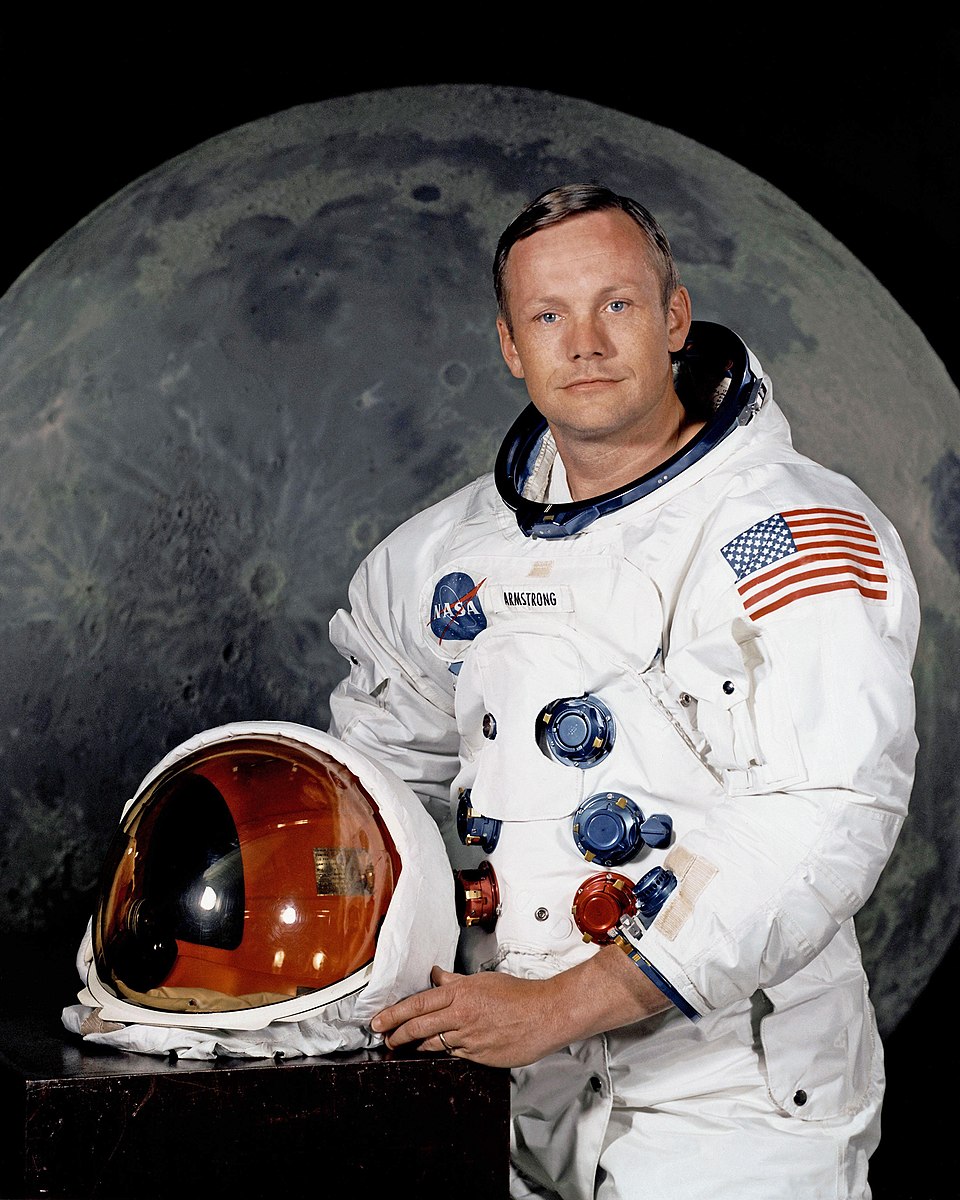
0 sources
Summary
Neil Armstrong was born in Wapakoneta[1]. He died in Cincinnati[2]. He worked as an United States Naval Aviator[3], test pilot[4], university teacher[5], astronaut[6], and military flight engineer[7]. He ranks in the top 0.14% of human entities by monthly Wikipedia readership (85,084 views/month, #1,353 of 1,000,298).[8]
Key Facts
- Place of burial: Atlantic Ocean[9]
- Father: Stephen Koenig Armstrong[10]
- Mother: Viola Louise Engel[11]
- Spouse: Janet Shearon[12], Carol Held Knight[13]
- Child: Rick Armstrong[14]
- Country of citizenship: United States[15]
- Native language: English[16]
- Occupation: aircraft pilot[17]
- Field of work: naval aviation[18], space exploration[19], aerospace engineering[20]
- Employer: Tallahassee[21], National Aeronautics and Space Administration[22], University of Cincinnati[23]
- Educated at: University of Southern California[24], Purdue University[25], USC Viterbi School of Engineering[26], Blume High School[27], Wapakoneta High School[28]
- Award received: Air Medal[29], Korean Service Medal[30], Distinguished Eagle Scout Award[31], Silver Buffalo Award[32], Presidential Medal of Freedom[33], Congressional Space Medal of Honor[34], Collier Trophy[35], Langley Gold Medal[36], Sylvanus Thayer Award[37], Eagle Scout[38], Order of Culture[39], Arthur S. Flemming Award[40], Congressional Gold Medal[41], National Aviation Hall of Fame[42]
- Religion or worldview: deism[43]
- Sex or gender: male[44]
- Ancestral home: Germany[45]
- Military branch: United States Navy[46]
- Part of: NASA Astronaut Group 2[47]
- Commons category: Neil Armstrong[48]
Body
Works and Contributions
Things named for Neil Armstrong include Armstrong Flight Research Center[49], a NASA facility[50], in United States[51], founded in 1946[52], headquartered in Edwards Air Force Base[53]; armalcolite[54], a mineral species[55]; Neil Armstrong Air and Space Museum[56], a museum[57], in United States[58], founded in 1972[59]; Armstrong[60], a lunar crater[61]; and armstrongite[62], a mineral species[63].
Why It Matters
Neil Armstrong has Wikipedia articles in 30 language editions, a strong signal of global cultural recognition.[64] He is known by 20 alternative names across languages and contexts.[65]
He is credited with the discovery of Statio Tranquillitatis[66], a launch and/or landing site[67]. Entities named for him include Armstrong Flight Research Center[49], a NASA facility[50], in United States[51], founded in 1946[52], headquartered in Edwards Air Force Base[53]; armalcolite[54], a mineral species[55]; Neil Armstrong Air and Space Museum[56], a museum[57], in United States[58], founded in 1972[59]; Armstrong[60], a lunar crater[61]; and armstrongite[62], a mineral species[63].
FAQs
Where was Neil Armstrong born?
Neil Armstrong's place of birth was Wapakoneta[1].
Where did Neil Armstrong die?
Neil Armstrong passed away in Cincinnati[2].
Who were Neil Armstrong's parents?
Neil Armstrong's father was Stephen Koenig Armstrong[10]. Neil Armstrong's mother was Viola Louise Engel[11].
Who was Neil Armstrong married to?
Neil Armstrong's spouses include Janet Shearon[12] and Carol Held Knight[13].
What did Neil Armstrong do for work?
Neil Armstrong worked as an United States Naval Aviator[3], test pilot[4], university teacher[5], astronaut[6], and military flight engineer[7].
Where did Neil Armstrong go to school?
Neil Armstrong was educated at University of Southern California[24], Purdue University[25], USC Viterbi School of Engineering[26], and Blume High School[27].
What awards did Neil Armstrong receive?
Honors received include Air Medal[29], Korean Service Medal[30], Distinguished Eagle Scout Award[31], and Silver Buffalo Award[32].
What did Neil Armstrong discover?
Neil Armstrong is credited as discoverer of Statio Tranquillitatis[66].