
Marc Bloch
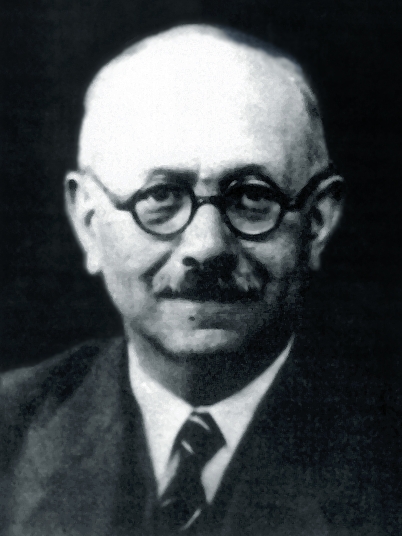
0 sources
Summary
Marc Bloch was born on July 6, 1886[1], in 2nd arrondissement of Lyon[2]. He died on June 16, 1944[3], in Saint-Didier-de-Formans[4]. He worked as a historian[5], medievalist[6], professor[7], French resistance fighter[8], and lecturer[9]. He ranks in the top 0.7% of human entities by monthly Wikipedia readership (14,675 views/month, #7,049 of 1,000,298).[10]
Key Facts
- Place of birth: Lyon[11]
- Place of burial: Le Bourg-d'Hem[12], Panthéon[13]
- Father: Gustave Bloch[14]
- Spouse: Simonne Vidal[15]
- Child: Étienne Bloch[16]
- Country of citizenship: France[17]
- Occupation: university teacher[18], resistance fighter[19], author[20], military personnel[21]
- Field of work: medieval history[22]
- Position held: teacher[23], senior lecturer[24], university teacher[25], lecturer[26], full professor[27]
- Employer: University of Strasbourg[28], University of Paris[29], University of Montpellier[30]
- Educated at: Lycée Louis-le-Grand[31], École Normale Supérieure[32], Leipzig University[33], University of Strasbourg[34]
- Doctoral advisor: Christian Pfister[35]
- Award received: Knight of the Legion of Honour[36], Croix de guerre 1914–1918[37], mort pour la France[38], Croix de guerre 1939–1945[39], Q137970105[40]
- Member of: Société de l'histoire de Paris et de l'Île-de-France[41], Operational Energy Service[42], Franc-Tireur[43], Mouvements Unis de la Résistance[44]
- Religion or worldview: atheism[45]
- Sex or gender: male[46]
- Movement: Annales school[47]
- Doctoral student: François Chevalier[48]
- Military branch: French Army[49]
- Commons category: Marc Bloch[50]
- Military, police or special rank: capitaine[51]
- Archives at: Archives nationales[52], Defence Historical Service[53]
- Cause of death: execution[54], gunshot wound[55]
- Participated in conflict: World War I[56], World War II[57]
- Family name: Bloch[58]
Body
Works and Contributions
Things named for Marc Bloch include Marc Bloch University[59], a university in France[60], in France[61], founded in 1970[62], headquartered in Strasbourg[63] and Marc Bloch Center[64].
Why It Matters
Marc Bloch has Wikipedia articles in 25 language editions, a strong signal of global cultural recognition.[65] He is known by 23 alternative names across languages and contexts.[66]
He has been cited as an influence by James C. Scott[67], an anthropologist[68], 1936–2024[69], of United States[70], awarded the Guggenheim Fellowship[71], specialised in political science[72].
Works attributed to him include The Historian's Craft[73], a literary work[74] and The royal touch; sacred monarchy and scrofula in England and France[75], a written work[76]. Entities named for him include Marc Bloch University[59], a university in France[60], in France[61], founded in 1970[62], headquartered in Strasbourg[63] and Marc Bloch Center[64].
His notable doctoral advisees include François Chevalier[77], a historian[78], 1914–2012[79], of France[80], specialised in historian[81].
FAQs
Where was Marc Bloch born?
Marc Bloch was born in 2nd arrondissement of Lyon[2].
Where did Marc Bloch die?
Marc Bloch died in Saint-Didier-de-Formans[4].
Who were Marc Bloch's parents?
Marc Bloch's father was Gustave Bloch[14].
Who was Marc Bloch married to?
Marc Bloch's spouses include Simonne Vidal[15].
What did Marc Bloch do for work?
Marc Bloch worked as a historian[5], medievalist[6], professor[7], French resistance fighter[8], and lecturer[9].
Where did Marc Bloch go to school?
Marc Bloch was educated at Lycée Louis-le-Grand[31], École Normale Supérieure[32], Leipzig University[33], and University of Strasbourg[34].
What awards did Marc Bloch receive?
Honors received include Knight of the Legion of Honour[36], Croix de guerre 1914–1918[37], mort pour la France[38], and Croix de guerre 1939–1945[39].
Who did Marc Bloch influence?
Marc Bloch has been cited as an influence by James C. Scott[67].