
Lope de Vega
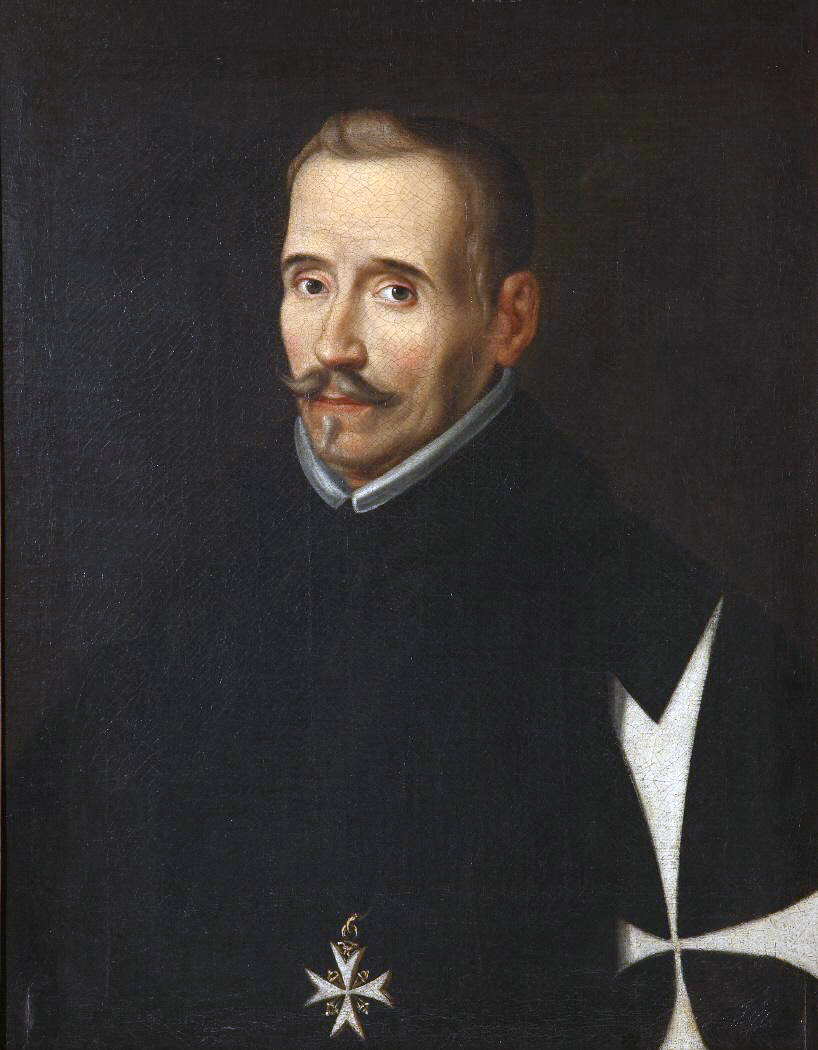
0 sources
Lope de Vega
Summary
Lope de Vega is a human[1]. Born in Madrid[2], he… he was born on November 25, 1562[3]. He died in Madrid[4]. He died on August 27, 1635[5]. He worked as a playwright[6], poet[7], writer[8], translator[9], and Catholic priest[10]. He ranks in the top 0.7% of human entities by monthly Wikipedia readership (16,905 views/month, #7,026 of 1,000,298).[11]
Key Facts
- Lope de Vega was born in Madrid[2].
- Lope de Vega passed away in Madrid[4].
- Lope de Vega was born on November 25, 1562[3].
- Lope de Vega died on August 27, 1635[5].
- Burial took place at San Sebastian Church[12].
- Lope de Vega was married to Juana de Guardo[13].
- Among Lope de Vega's spouses was Isabel de Alderete y Urbina[14].
- A child of Lope de Vega was Sor Marcela de San Felix[15].
- Lope de Vega held citizenship in Spain[16].
- Lope de Vega is identified as part of the Spaniards ethnic group[17].
- Lope de Vega worked as a playwright[6].
- Lope de Vega's professions included poet[7].
- Lope de Vega's professions included writer[8].
- Lope de Vega worked as a translator[9].
- Lope de Vega's professions included Catholic priest[10].
- Lope de Vega worked as a librettist[18].
- Lope de Vega's education included a stint at University of Alcalá[19].
- Lope de Vega's education included a stint at Colegio Imperial de Madrid[20].
- Lope de Vega's education included a stint at Q141003824[21].
- A notable work attributed to Lope de Vega is Fuenteovejuna[22].
- Lope de Vega received the Knight of the Sovereign Military Order of Malta[23].
- Lope de Vega was a member of Congregation of Secular Priests of Saint Peter the Apostle[24].
- Lope de Vega's religion is recorded as Catholicism[25].
- Lope de Vega is recorded as male[26].
- Lope de Vega's instance of is recorded as human[27].
Product Details
The following facts are restated verbatim from public-domain and CC0 open-data sources — every line is independently verifiable against the named source's catalog.
MusicBrainz — CC0 open music encyclopedia
-
Type: Person[28]
-
Country: ES[29]
-
Began / founded: 1562-11-25[30]
-
Ended / dissolved: 1635-08-27[31]
-
MusicBrainz ID: 6fa232d8-bbe1-425b-865c-c822fa3714ee[32]
Body
Origins and Family
Born in Madrid[2], Lope de Vega… he was born on November 25, 1562[3]. He is identified as part of the Spaniards ethnic group[17].
Education
Educated at University of Alcalá[19], a Catholic university[33], in Spain[34], founded in 1499[35], headquartered in University and Historic Precinct of Alcalá de Henares[36]; Colegio Imperial de Madrid[20], a Jesuit school[37], in Spanish Empire[38], founded in 1625[39]; and Q141003824[21].
Career and Affiliations
Recorded occupations include playwright[6], poet[7], writer[8], translator[9], Catholic priest[10], and librettist[18].
Works and Contributions
A notable work attributed to Lope de Vega is Fuenteovejuna[22]. Things named for him include Lope de Vega Theatre[40], a public building[41], in Spain[42], founded in 1929[43], directed by Carlos Forteza[44]; House-Museum of him[45]; and Premio Lope de Vega de Teatro[46].
Recognition
Lope de Vega received the Knight of the Sovereign Military Order of Malta[23].
Personal Life
Spouses include Juana de Guardo[13] and Isabel de Alderete y Urbina[14]. A child of Lope de Vega was Sor Marcela de San Felix[15]. His religion is recorded as Catholicism[25].
Death and Burial
Lope de Vega died on August 27, 1635[5]. He passed away in Madrid[4]. The cause of death was scarlet fever[47]. He is buried at San Sebastian Church[12].
Why It Matters
Lope de Vega ranks in the top 0.7% of human entities by monthly Wikipedia readership (16,905 views/month, #7,026 of 1,000,298).[11] He has Wikipedia articles in 29 language editions, a strong signal of global cultural recognition.[48] He is known by 77 alternative names across languages and contexts.[49]
He has been cited as an influence by Miguel de Cervantes[50], a novelist[51], 1547–1616[52], of Crown of Castile[53], specialised in fiction[54].
Works attributed to him include Fuenteovejuna[55], a literary work[56]; The Dog in the Manger[57], a literary work[58], founded in 1618[59]; Peribáñez y el Comendador de Ocaña[60], a literary work[61]; La dama boba[62], a literary work[63], founded in 1613[64], written by Guillermo Ortega Alonso[65]; The Widow from Valencia[66], a literary work[67], founded in 1604[68]; and La Dorotea[69], a literary work[70]. Entities named for him include Lope de Vega Theatre[40], a public building[41], in Spain[42], founded in 1929[43], directed by Carlos Forteza[44]; House-Museum of him[45]; and Premio Lope de Vega de Teatro[46].
FAQs
Where was Lope de Vega born?
Lope de Vega was born in Madrid[2].
Where did Lope de Vega die?
Lope de Vega passed away in Madrid[4].
Who was Lope de Vega married to?
Lope de Vega's spouses include Juana de Guardo[13] and Isabel de Alderete y Urbina[14].
What did Lope de Vega do for work?
Lope de Vega worked as playwright[6], poet[7], writer[8], translator[9], and Catholic priest[10].
Where did Lope de Vega go to school?
Lope de Vega was educated at University of Alcalá[19], Colegio Imperial de Madrid[20], and Q141003824[21].
What awards did Lope de Vega receive?
Honors received include Knight of the Sovereign Military Order of Malta[23].
Who did Lope de Vega influence?
Lope de Vega has been cited as an influence by Miguel de Cervantes[50].