
Jacques Maritain
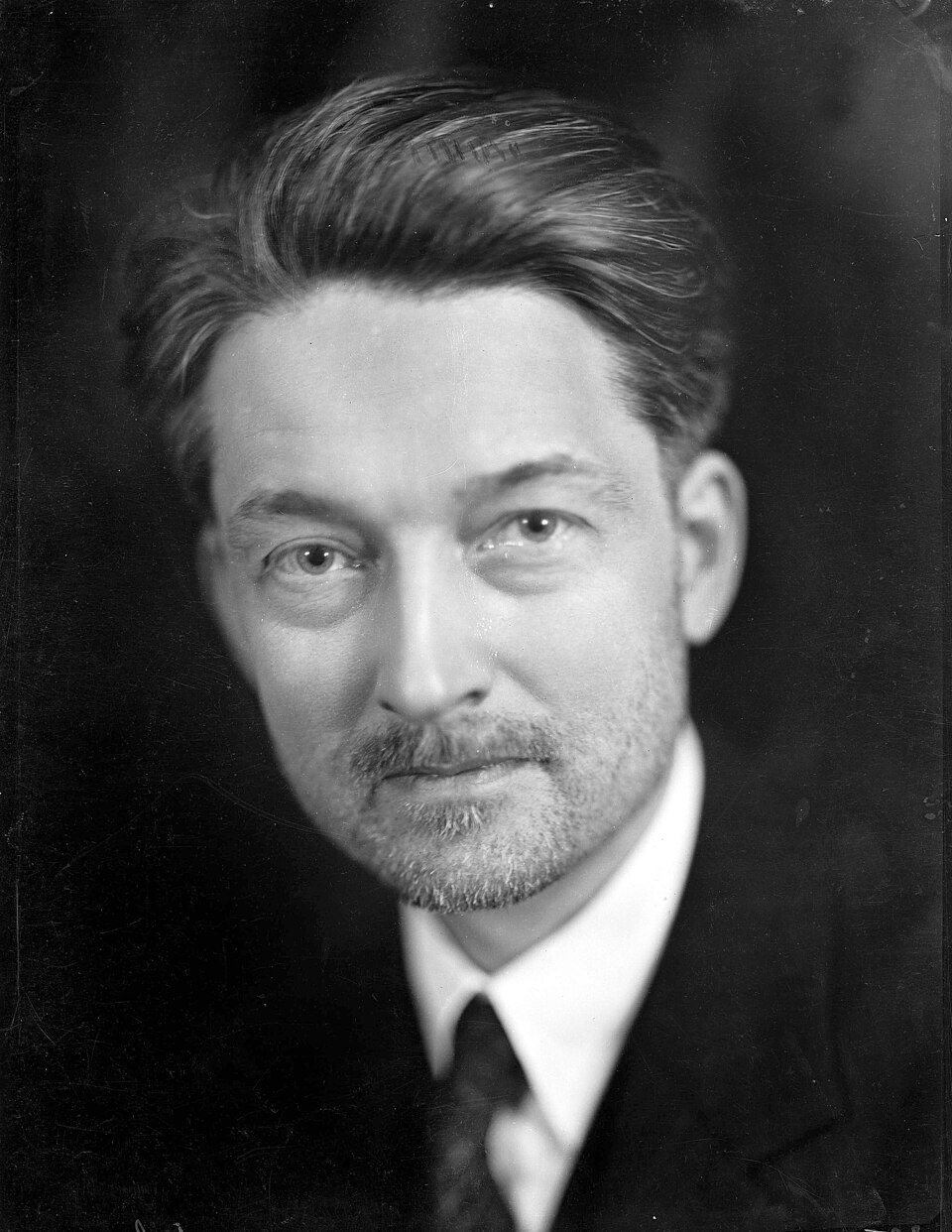
0 sources
Summary
Jacques Maritain was born on November 18, 1882[1], in 9th arrondissement of Paris[2]. He died on April 28, 1973[3], in Toulouse[4]. He worked as a philosopher[5], pedagogue[6], writer[7], diplomat[8], and Catholic theologian[9]. He ranks in the top 0.7% of human entities by monthly Wikipedia readership (4,548 views/month, #7,041 of 1,000,298).[10]
Key Facts
- Place of burial: Kolbsheim[11]
- Father: Q141182852[12]
- Mother: Q141182858[13]
- Spouse: Raïssa Maritain[14]
- Country of citizenship: France[15]
- Field of work: philosophy[16]
- Position held: ambassador of France to the Holy See[17]
- Employer: University of Chicago[18]
- Educated at: Lycée Henri-IV[19], Faculty of Arts of Paris[20], University of Notre Dame[21]
- Award received: Grand prix de littérature de l'Académie française[22], Aquinas Medal[23], Grand prix national des Lettres[24], Corresponding Fellow of the Medieval Academy of America[25]
- Member of: Medieval Academy of America[26], Pontifical Academy of St. Thomas Aquinas[27]
- Religion or worldview: Roman Catholic[28]
- Sex or gender: male[29]
- Member of political party: Action Française[30], Christian Democracy[31]
- Movement: Personalismo comunitario[32], Christian humanism[33], Christian democracy[34], human rights[35]
- Commons category: Jacques Maritain[36]
- Archives at: Departmental archives of Yvelines[37], University of Notre Dame Archives[38]
- Residence: France[39]
- Religious order: Benedictines[40]
- Family name: Maritain[41]
- Given name: Jacques[42]
- Student of: Henri Bergson[43]
- Godparent: Léon Bloy[44]
- Described by source: Armenian Soviet Encyclopedia, vol. 7[45], Pedagogues and Psychologists of the World[46]
- Languages spoken, written or signed: French[47]
Why It Matters
Jacques Maritain has Wikipedia articles in 23 language editions, a strong signal of global cultural recognition.[48] He is known by 25 alternative names across languages and contexts.[49]
He has been cited as an influence by Czesław Miłosz[50], a poet[51], 1911–2004[52], of Poland[53], awarded the Nobel Prize in Literature[54], specialised in fiction[55]; Victoria Ocampo[56], a writer[57], 1890–1979[58], of Argentina[59], awarded the Commander of the Order of the British Empire[60]; Fabrice Hadjadj[61], an essayist[62], b. 1971[63], of France[64], awarded the Grand prix catholique de littérature[65]; José Bergamín[66], a poet[67], 1895–1983[68], of Spain[69]; and Ernest Psichari[70], a novelist[71], 1883–1914[72], of France[73], awarded the Knight of the Legion of Honour[74], specialised in military affairs[75].
Works attributed to him include integral humanism[76], a written work[77].
FAQs
Where was Jacques Maritain born?
Jacques Maritain's place of birth was 9th arrondissement of Paris[2].
Where did Jacques Maritain die?
Jacques Maritain passed away in Toulouse[4].
Who were Jacques Maritain's parents?
Jacques Maritain's father was Q141182852[12]. Jacques Maritain's mother was Q141182858[13].
Who was Jacques Maritain married to?
Jacques Maritain's spouses include Raïssa Maritain[14].
What did Jacques Maritain do for work?
Jacques Maritain worked as a philosopher[5], pedagogue[6], writer[7], diplomat[8], and Catholic theologian[9].
Where did Jacques Maritain go to school?
Jacques Maritain was educated at Lycée Henri-IV[19], Faculty of Arts of Paris[20], and University of Notre Dame[21].
What awards did Jacques Maritain receive?
Honors received include Grand prix de littérature de l'Académie française[22], Aquinas Medal[23], Grand prix national des Lettres[24], and Corresponding Fellow of the Medieval Academy of America[25].
Who did Jacques Maritain influence?
Jacques Maritain has been cited as an influence by Czesław Miłosz[50], Victoria Ocampo[56], Fabrice Hadjadj[61], and José Bergamín[66].