
Epicureanism
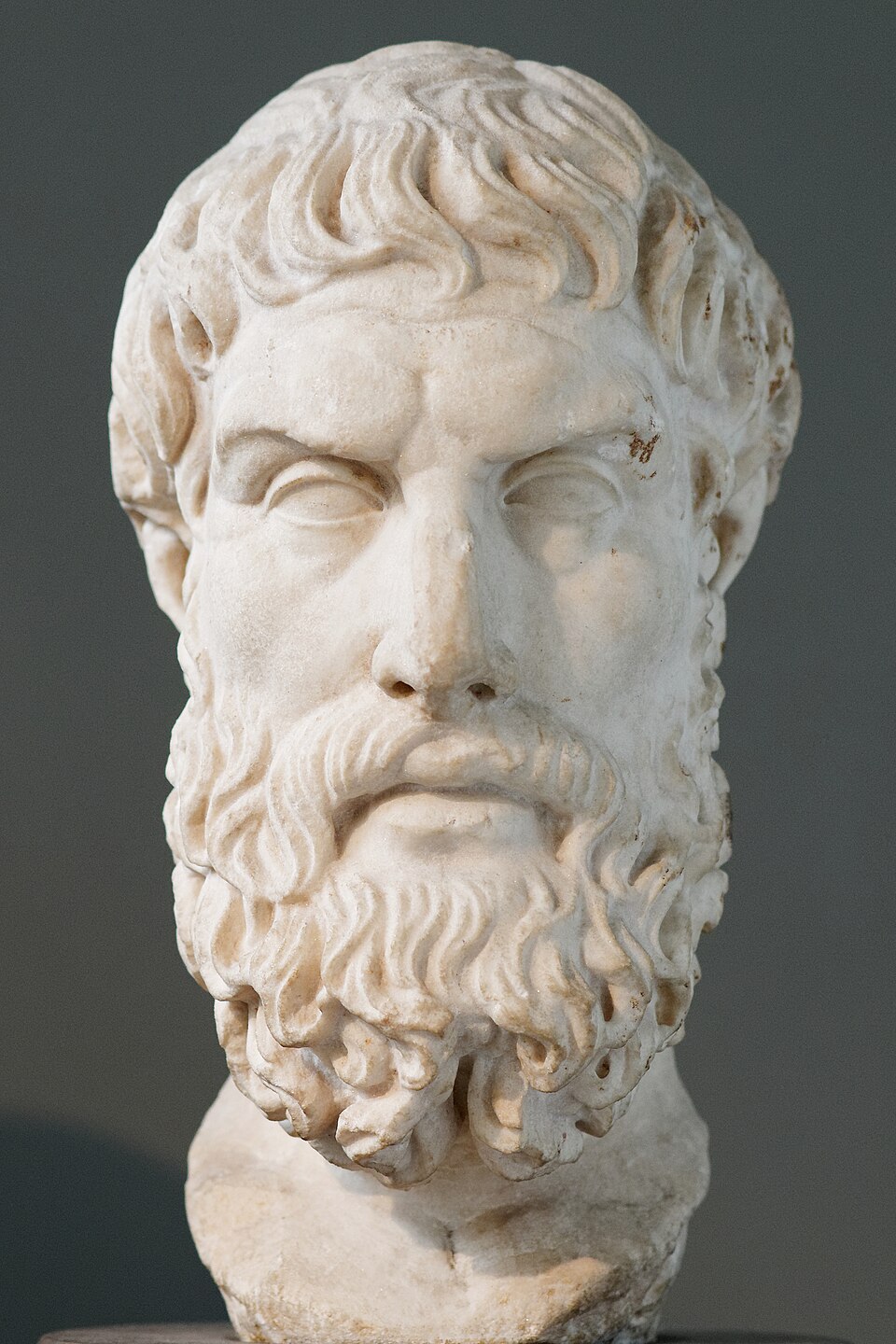
0 sources
Summary
Epicureanism is a philosophical schools and traditions[1]. Epicureanism ranks in the top 5% of philosophical schools and traditions entities by monthly Wikipedia readership (13,629 views/month).[2]
Key Facts
- Founder: Epicurus[3]
- Inception: 307 BC[4]
- Topic's main category: Category:Epicureanism[5]
- Location of creation: Classical Athens[6]
- Described by source: Orthodox Theological Encyclopedia[7], The Nuttall Encyclopædia[8]
- Different from: stoicism[9]
Why It Matters
Epicureanism has Wikipedia articles in 24 language editions, a strong signal of global cultural recognition.[10] Epicureanism is known by 79 alternative names across languages and contexts.[11]
Epicureanism has been cited as an influence by Erasmus[12], a translator[13], 1466–1536[14], of Seventeen Provinces[15], specialised in Christian philosophy[16]; Hryhorii Skovoroda[17], a philosopher[18], 1722–1794[19], of Russian Empire[20], specialised in poetry[21]; and Han Ryner[22], a philosopher[23], 1861–1938[24], of France[25], awarded the Prix des bouquinistes[26].
FAQs
Who did Epicureanism influence?
Epicureanism has been cited as an influence by Erasmus[12], Hryhorii Skovoroda[17], and Han Ryner[22].