
Emilie Snethlage
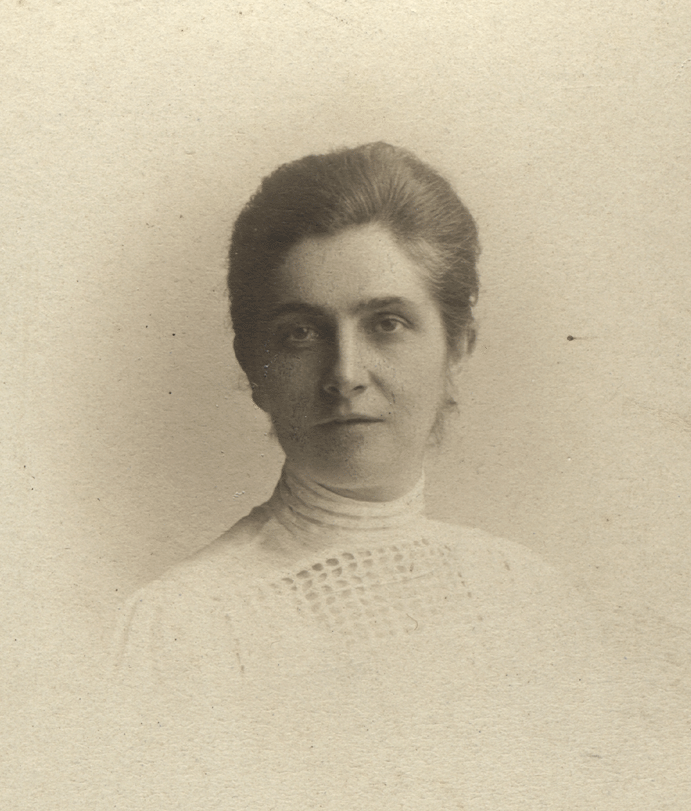
0 sources
Emilie Snethlage
Summary
Emilie Snethlage is a human[1]. Her place of birth was Gransee[2]. She was born on April 13, 1868[3]. She died in Porto Velho[4]. She died on November 25, 1929[5]. She worked as an ornithologist[6], zoologist[7], naturalist[8], scientific collector[9], and zoological collector[10]. She ranks in the top 0.73% of human entities by monthly Wikipedia readership (35 views/month, #7,297 of 1,000,298).[11]
Key Facts
- Born in Gransee[2], Emilie Snethlage…
- Born in Kraatz[12], Emilie Snethlage…
- Emilie Snethlage passed away in Porto Velho[4].
- Emilie Snethlage was born on April 13, 1868[3].
- Emilie Snethlage died on November 25, 1929[5].
- Emilie Snethlage held citizenship in Germany[13].
- Emilie Snethlage worked as an ornithologist[6].
- Emilie Snethlage worked as a zoologist[7].
- Emilie Snethlage worked as a naturalist[8].
- Emilie Snethlage's professions included scientific collector[9].
- Emilie Snethlage's professions included zoological collector[10].
- Emilie Snethlage worked as a botanist[14].
- Emilie Snethlage's field of work was ornithology[15].
- Emilie Snethlage's field of work was reproductive biology[16].
- Emilie Snethlage's field of work was taxonomist[17].
- Emilie Snethlage's field of work was zoogeography[18].
- Emilie Snethlage's field of work was zoological collector[19].
- Emilie Snethlage held the position of museum director[20].
- Among Emilie Snethlage's employers was Museu Paraense Emílio Goeldi[21].
- Emilie Snethlage was employed by Museum für Naturkunde - Leibniz Institute for Evolution and Biodiversity Science[22].
- Among Emilie Snethlage's employers was British Museum[23].
- Emilie Snethlage's education included a stint at University of Freiburg[24].
- Emilie Snethlage was educated at Friedrich Schiller University Jena[25].
- Emilie Snethlage's doctoral advisor was August Weismann[26].
- Emilie Snethlage was a member of Brazilian Academy of Sciences[27].
Body
Origins and Family
Recorded place of birth include Gransee[2], an urban municipality in Germany[28], in Germany[29] and Kraatz[12], an Ortsteil[30], in Germany[31]. Emilie Snethlage was born on April 13, 1868[3].
Education
Educated at University of Freiburg[24], a public university[32], in Germany[33], founded in 1457[34], headquartered in Freiburg im Breisgau[35] and Friedrich Schiller University Jena[25], a public university[36], in Germany[37], founded in 1558[38], headquartered in Jena[39]. Emilie Snethlage's doctoral advisor was August Weismann[26]. She earned the academic degree of Dr. phil.[40].
Career and Affiliations
Recorded occupations include ornithologist[6], zoologist[7], naturalist[8], scientific collector[9], zoological collector[10], and botanist[14]. Fields of work include ornithology[15], a branch of zoology[41]; reproductive biology[16], a branch of biology[42]; taxonomist[17], a profession[43]; zoogeography[18], a branch of geography[44]; and zoological collector[19], an occupation[45]. Employers include Museu Paraense Emílio Goeldi[21], a museum[46], in Brazil[47], founded in 1866[48]; Museum für Naturkunde - Leibniz Institute for Evolution and Biodiversity Science[22], a natural history museum[49], in Germany[50], founded in 1810[51]; and British Museum[23], a national museum[52], in United Kingdom[53], founded in 1753[54]. Emilie Snethlage held the position of museum director[20].
Death and Burial
Emilie Snethlage died on November 25, 1929[5]. She died in Porto Velho[4].
Works and Contributions
Things named for Emilie Snethlage include Pyrrhura snethlageae[55], a taxon[56] and Conopophaga snethlageae[57], a taxon[58].
Why It Matters
Emilie Snethlage ranks in the top 0.73% of human entities by monthly Wikipedia readership (35 views/month, #7,297 of 1,000,298).[11] She has Wikipedia articles in 17 language editions, a strong signal of global cultural recognition.[59] She is known by 44 alternative names across languages and contexts.[60]
Entities named for her include Pyrrhura snethlageae[55], a taxon[56] and Conopophaga snethlageae[57], a taxon[58].
FAQs
Where was Emilie Snethlage born?
Emilie Snethlage's place of birth was Gransee[2].
Where did Emilie Snethlage die?
Emilie Snethlage died in Porto Velho[4].
What did Emilie Snethlage do for work?
Emilie Snethlage worked as ornithologist[6], zoologist[7], naturalist[8], scientific collector[9], and zoological collector[10].
Where did Emilie Snethlage go to school?
Emilie Snethlage was educated at University of Freiburg[24] and Friedrich Schiller University Jena[25].