
René Caillié
French explorer (1799–1838)
Press Enter · cited answer in seconds
0 sources
Summary
René Caillié was born on September 19, 1799[1], in Mauzé-sur-le-Mignon[2]. He died on May 17, 1838[3], in La Gripperie-Saint-Symphorien[4]. He worked as an explorer[5], traveler[6], and travel writer[7]. He ranks in the top 0.72% of human entities by monthly Wikipedia readership (1,151 views/month, #7,251 of 1,000,298).[8]
Key Facts
- Date of birth: November 19, 1799[9]
- Country of citizenship: France[10]
- Native language: French[11]
- Field of work: European exploration of Africa[12]
- Award received: Grande Médaille d'Or des Explorations[13]
- Religion or worldview: Christianity[14]
- Sex or gender: male[15]
- Commons category: René Caillié[16]
- Cause of death: tuberculosis[17]
- Residence: Rene Caille House[18]
- Given name: René[19]
- Work location: Timbuktu[20]
- Manner of death: natural causes[21]
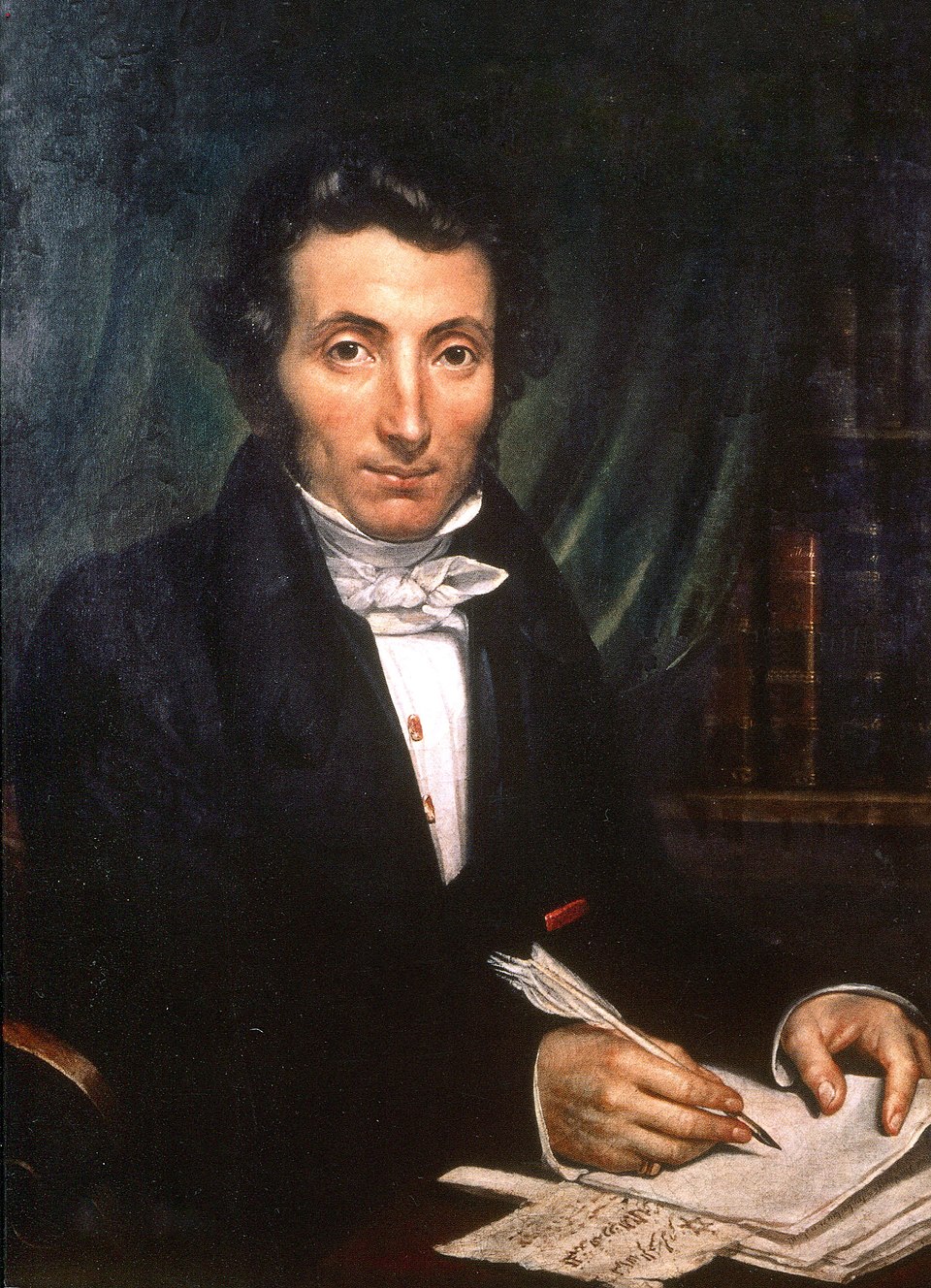
- Depicted by: Portrait of René Caillié[22]
- Described by source: Nordisk familjebok[23], Brockhaus and Efron Encyclopedic Dictionary[24], Dictionary of African Biography[25], The Nuttall Encyclopædia[26], Encyclopædia Britannica 11th edition[27], Africa: An Encyclopedic Reference[28]
- Languages spoken, written or signed: French[29]
- Name in native language: René Caillié[30]
- Has works in the collection: National Museum of World Cultures[31]
- Writing language: French[32]
Why It Matters
René Caillié has Wikipedia articles in 18 language editions, a strong signal of global cultural recognition.[33] He is known by 37 alternative names across languages and contexts.[34]
FAQs
Where was René Caillié born?
René Caillié was born in Mauzé-sur-le-Mignon[2].
Where did René Caillié die?
René Caillié died in La Gripperie-Saint-Symphorien[4].
What did René Caillié do for work?
René Caillié worked as an explorer[5], traveler[6], and travel writer[7].
What awards did René Caillié receive?
Honors received include Grande Médaille d'Or des Explorations[13].