
Naguib Mahfouz
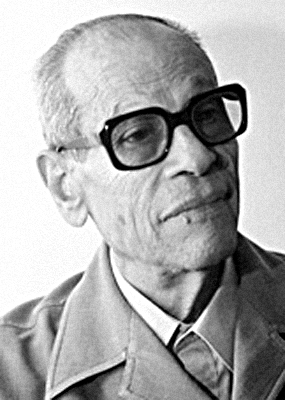
0 sources
Summary
Naguib Mahfouz was born on December 11, 1911[1], in Al-Jamāliyah[2]. He died on August 30, 2006[3], in Agouza[4]. He worked as a novelist[5], screenwriter[6], translator[7], playwright[8], and writer[9]. He ranks in the top 0.68% of human entities by monthly Wikipedia readership (6,951 views/month, #6,845 of 1,000,298).[10]
Key Facts
- Place of burial: Cairo[11]
- Spouse: Atiyatullah Ibrahim[12]
- Country of citizenship: Khedivate of Egypt[13], Sultanate of Egypt[14], Kingdom of Egypt[15], Republic of Egypt[16], United Arab Republic[17], Egypt[18]
- Native language: Arabic[19], Egyptian Arabic[20]
- Ethnic group: Egyptians[21]
- Occupation: intellectual[22], journalist[23], short story writer[24], autobiographer[25], author[26], editing staff[27], film screenwriter[28]
- Field of work: writing[29], screenwriting[30], translation[31], journalism[32], playwriting[33], author[34], fiction[35], dream[36]
- Educated at: Cairo University[37]
- Award received: Nobel Prize in Literature[38], Orden al Mérito Docente y Cultural Gabriela Mistral[39], Commandeur des Arts et des Lettres[40], Grand Collar of the Order of the Nile[41], Honorary doctorate from the University of Cairo[42], Cavafy Award[43], Grand Officer of the Order of Merit of the Italian Republic[44]
- Member of: American Academy of Arts and Sciences[45], American Academy of Arts and Letters[46]
- Religion or worldview: Islam[47]
- Influenced by: Taha Hussein[48], Salama Musa[49], James Joyce[50]
- Sex or gender: male[51]
- Commons category: Naguib Mahfouz[52]
- Cause of death: chronic renal insufficiency[53], bacterial pneumonia[54]
- Family name: Mahfouz[55]
- Given name: Naguib[56], Abd al-Aziz[57], Ibrahim[58], Ahmad[59]
Body
Works and Contributions
Things named for Naguib Mahfouz include Naguib Mahfouz Medal for Literature[60].
Why It Matters
Naguib Mahfouz has Wikipedia articles in 30 language editions, a strong signal of global cultural recognition.[61] He is known by 43 alternative names across languages and contexts.[62]
He has been cited as an influence by Jamal Naji[63], a writer[64], 1954–2018[65], of Jordan[66].
Works attributed to him include Midaq Alley[67], a written work[68]; Cairo Trilogy[69], a series of creative works[70]; Children of Gebelawi[71], a literary work[72]; Palace Walk[73], a written work[74]; Palace of Desire[75], a literary work[76]; and The Thief and the Dogs[77], a written work[78]. Entities named for him include Naguib Mahfouz Medal for Literature[60].
FAQs
Where was Naguib Mahfouz born?
Naguib Mahfouz was born in Al-Jamāliyah[2].
Where did Naguib Mahfouz die?
Naguib Mahfouz died in Agouza[4].
Who was Naguib Mahfouz married to?
Naguib Mahfouz's spouses include Atiyatullah Ibrahim[12].
What did Naguib Mahfouz do for work?
Naguib Mahfouz worked as a novelist[5], screenwriter[6], translator[7], playwright[8], and writer[9].
Where did Naguib Mahfouz go to school?
Naguib Mahfouz was educated at Cairo University[37].
What awards did Naguib Mahfouz receive?
Honors received include Nobel Prize in Literature[38], Orden al Mérito Docente y Cultural Gabriela Mistral[39], Commandeur des Arts et des Lettres[40], and Grand Collar of the Order of the Nile[41].
Who did Naguib Mahfouz influence?
Naguib Mahfouz has been cited as an influence by Jamal Naji[63].