
Gustave Eiffel
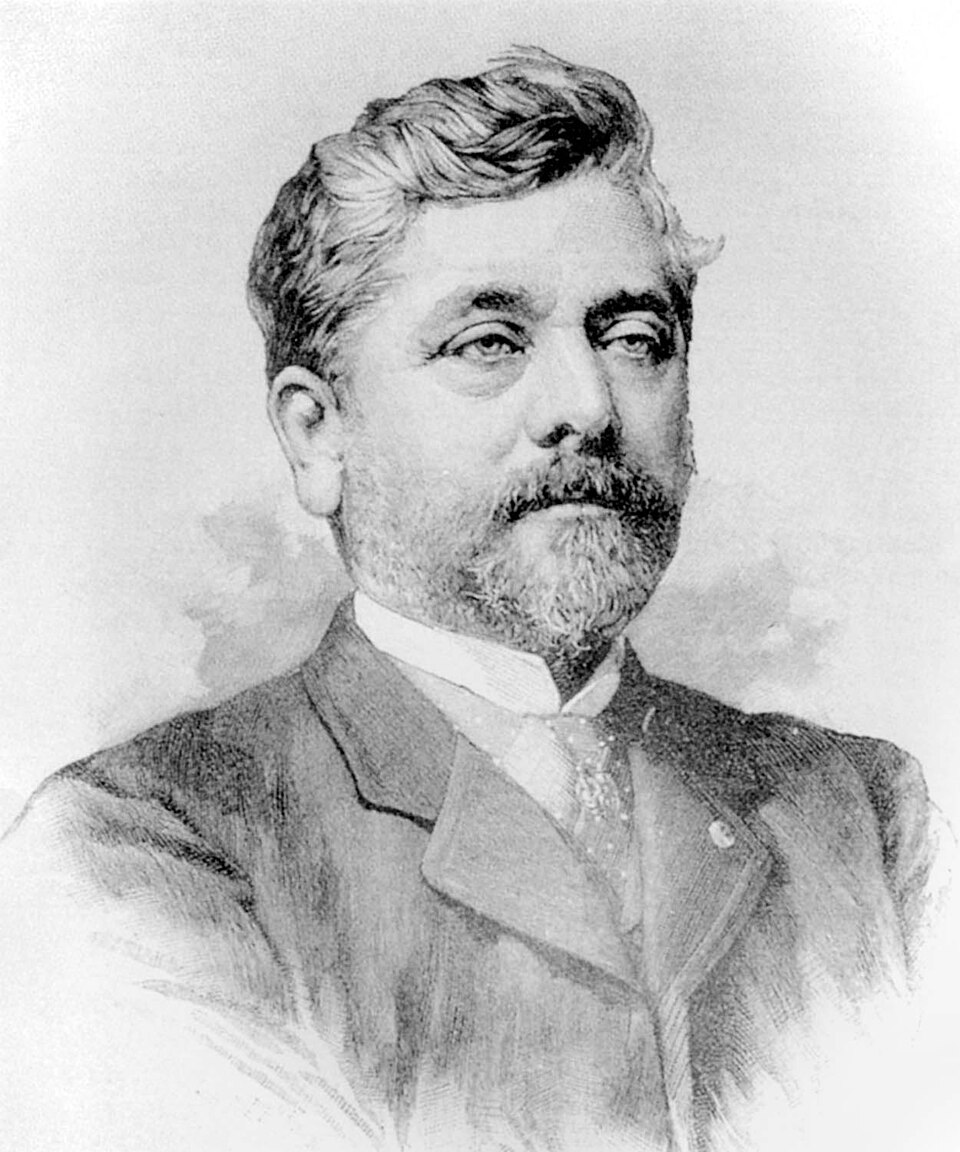
0 sources
Summary
Gustave Eiffel was born on December 15, 1832[1], in Dijon[2]. He died on December 27, 1923[3], in Paris[4]. He worked as a civil engineer[5], architect[6], entrepreneur[7], engineer[8], and general contractor[9]. He ranks in the top 0.61% of human entities by monthly Wikipedia readership (13,195 views/month, #6,130 of 1,000,298).[10]
Key Facts
- Place of burial: Levallois-Perret Cemetery[11]
- Spouse: Marguerite Gaudelet[12]
- Country of citizenship: France[13]
- Occupation: military flight engineer[14]
- Field of work: urban design[15], architecture[16], steel building[17], aerodynamics engineering[18]
- Position held: president[19]
- Educated at: École Centrale Paris[20], Collège Sainte-Barbe[21]
- Student: Augustin Henry-Lepaute[22], François Rigolet[23], Émile Ricquier[24]
- Notable work: Garabit Viaduct[25], Pont métallique sur l'Adour[26], Eiffel Tower[27], Statue of Liberty[28], Ponte de D. Maria Pia[29]
- Award received: Knight of the Legion of Honour[30], Officer of the Legion of Honour[31], Langley Gold Medal[32], Fourneyron prize[33]
- Member of: Société d'encouragement pour l'industrie nationale[34], Société des ingénieurs civils de France[35], Aéro-Club de France[36]
- Sex or gender: male[37]
- Commons category: Gustave Eiffel[38]
- Residence: rue Rabelais[39], place d'Iéna[40]
- Family name: Eiffel[41]
- Given name: Alexandre[42], Gustave[43]
- Topic's main category: Category:Gustave Eiffel[44]
- Commons gallery: Gustave Eiffel[45]
- Described at URL: https://arteforadomuseu.com.br/artistas/gustave-eiffel/[46], https://comitehistoire.bnf.fr/dictionnaire-fonds/gustave-eiffel[47]
- Relative: Tullie Moneuse[48], Georges Salles[49]
Body
Works and Contributions
Things named for Gustave Eiffel include Eiffel Tower[50], a lattice tower[51], in France[52], founded in 1887[53]; Eiffel[54], a film[55], directed by Martin Bourboulon[56]; Gustave Eiffel University[57], a university in France[58], in France[59], founded in 2020[60], headquartered in Marne-la-Vallée[61]; Alec Eiffel[62], a single[63]; Eiffel Bridge, Ungheni[64], an international bridge[65], in Moldova[66], founded in 1874[67]; Laboratoire aérodynamique Eiffel[68], a laboratory[69], in France[70], founded in 1912[71]; and Eiffel Bridge[72].
Why It Matters
Gustave Eiffel has Wikipedia articles in 29 language editions, a strong signal of global cultural recognition.[73] He is known by 36 alternative names across languages and contexts.[74]
Entities named for him include Eiffel Tower[50], a lattice tower[51], in France[52], founded in 1887[53]; Eiffel[54], a film[55], directed by Martin Bourboulon[56]; Gustave Eiffel University[57], a university in France[58], in France[59], founded in 2020[60], headquartered in Marne-la-Vallée[61]; Alec Eiffel[62], a single[63]; Eiffel Bridge, Ungheni[64], an international bridge[65], in Moldova[66], founded in 1874[67]; and Laboratoire aérodynamique Eiffel[68], a laboratory[69], in France[70], founded in 1912[71].
FAQs
Where was Gustave Eiffel born?
Gustave Eiffel's place of birth was Dijon[2].
Where did Gustave Eiffel die?
Gustave Eiffel died in Paris[4].
Who was Gustave Eiffel married to?
Gustave Eiffel's spouses include Marguerite Gaudelet[12].
What did Gustave Eiffel do for work?
Gustave Eiffel worked as a civil engineer[5], architect[6], entrepreneur[7], engineer[8], and general contractor[9].
Where did Gustave Eiffel go to school?
Gustave Eiffel was educated at École Centrale Paris[20] and Collège Sainte-Barbe[21].
What awards did Gustave Eiffel receive?
Honors received include Knight of the Legion of Honour[30], Officer of the Legion of Honour[31], Langley Gold Medal[32], and Fourneyron prize[33].