
George Porter
0 sources
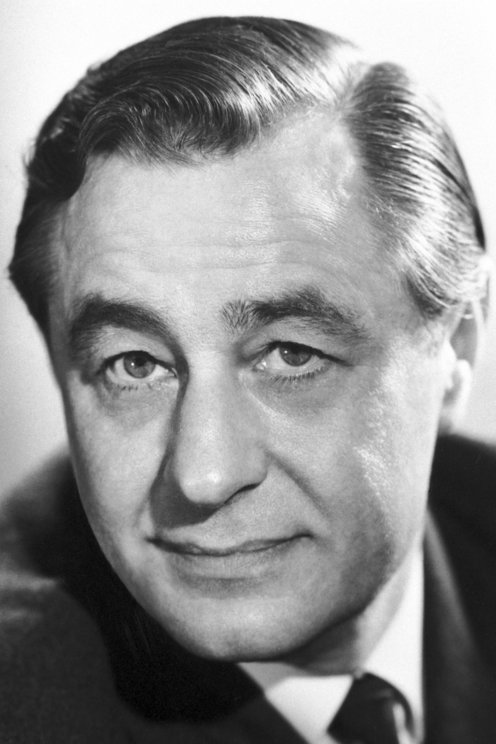
George Porter was a United Kingdom[1][2][3] chemist, politician, and university teacher[4][5][3][6] born on December 6, 1920, in Stainforth[7][8][9][2][10][11][12][13][14][15][16][17] to parents John Smith Porter[10] and Alice Ann Roebuck[10]. He died on August 31, 2002, in Canterbury[7][18][10][11][12][13][19][20][21][22]. He married Stella Jean Brooke in 1949, and they had two children: John Brooke Porter and Andrew Christopher George Porter[10]. His education included the University of Leeds, Emmanuel College, University of Cambridge, and Trinity Academy.
His professional work focused on the fields of chemistry, physical chemistry, and chemical kinetics. He held prominent positions as President of the Royal Society from 1985 to 1990 and as a member of the House of Lords from 1990 to 2002. He was a member of the Royal Society, the German Academy of Sciences Leopoldina, the Pontifical Academy of Sciences, and the Hungarian Academy of Sciences[23].
Throughout his career, he received numerous awards, including Knight Bachelor, Order of Merit, Melchett Medal, Faraday Lectureship Prize, Corday-Morgan Prize, and Tilden Prize, along with two others[24][25][26].
Key Facts
- Father: John Smith Porter[9]
- Mother: Alice Ann Roebuck[10]
- Spouse: Stella Jean Brooke[11]
- Child: John Brooke Porter[12], Andrew Christopher George Porter[13]
- Country of citizenship: United Kingdom[14]
- Field of work: chemistry[15], physical chemistry[16], chemical kinetics[17]
- Position held: President of the Royal Society[18], member of the House of Lords[19]
- Employer: University of Sheffield[20], University College London[21], Imperial College London[22], University of Cambridge[23]
- Educated at: University of Leeds[24], Emmanuel College[25], University of Cambridge[26], Trinity Academy[27]
- Doctoral advisor: Ronald George Wreyford Norrish[28]
- Award received: Knight Bachelor[29], Order of Merit[30], Melchett Medal[31], Faraday Lectureship Prize[32], Corday-Morgan Prize[33], Tilden Prize[34], Fellow of the Royal Society[35], Remsen Award[36], Nobel Prize in Chemistry[37], Liversidge Award[38], Davy Medal[39], Kalinga Prize[40], Royal Society Bakerian Medal[41], Rumford Medal[42]
- Member of: Royal Society[43], German Academy of Sciences Leopoldina[44], Pontifical Academy of Sciences[45], Hungarian Academy of Sciences[46], American Academy of Arts and Sciences[47], Russian Academy of Sciences[48], Indian National Science Academy[49], American Philosophical Society[50], National Academy of Sciences[51], Göttingen Academy of Sciences and Humanities in Lower Saxony[52], Japan Academy[53], Accademia Nazionale dei Lincei[54]
- Sex or gender: male[55]
- Noble title: Knight Bachelor[56]
- Doctoral student: James Durrant[57]
- Commons category: George Porter[58]
- Family name: Porter[59]
- Given name: George[60]
Why It Matters
George Porter has Wikipedia articles in 27 language editions, a strong signal of global cultural recognition.[61] He is known by 19 alternative names across languages and contexts.[62]
FAQs
Where was George Porter born?
George Porter was born in Stainforth[2].
Where did George Porter die?
George Porter died in Canterbury[4].
Who were George Porter's parents?
George Porter's father was John Smith Porter[9]. George Porter's mother was Alice Ann Roebuck[10].
Who was George Porter married to?
George Porter's spouses include Stella Jean Brooke[11].
What did George Porter do for work?
George Porter worked as a chemist[5], politician[6], and university teacher[7].
Where did George Porter go to school?
George Porter was educated at University of Leeds[24], Emmanuel College[25], University of Cambridge[26], and Trinity Academy[27].
What awards did George Porter receive?
Honors received include Knight Bachelor[29], Order of Merit[30], Melchett Medal[31], and Faraday Lectureship Prize[32].