
Erich Kästner
0 sources
Summary
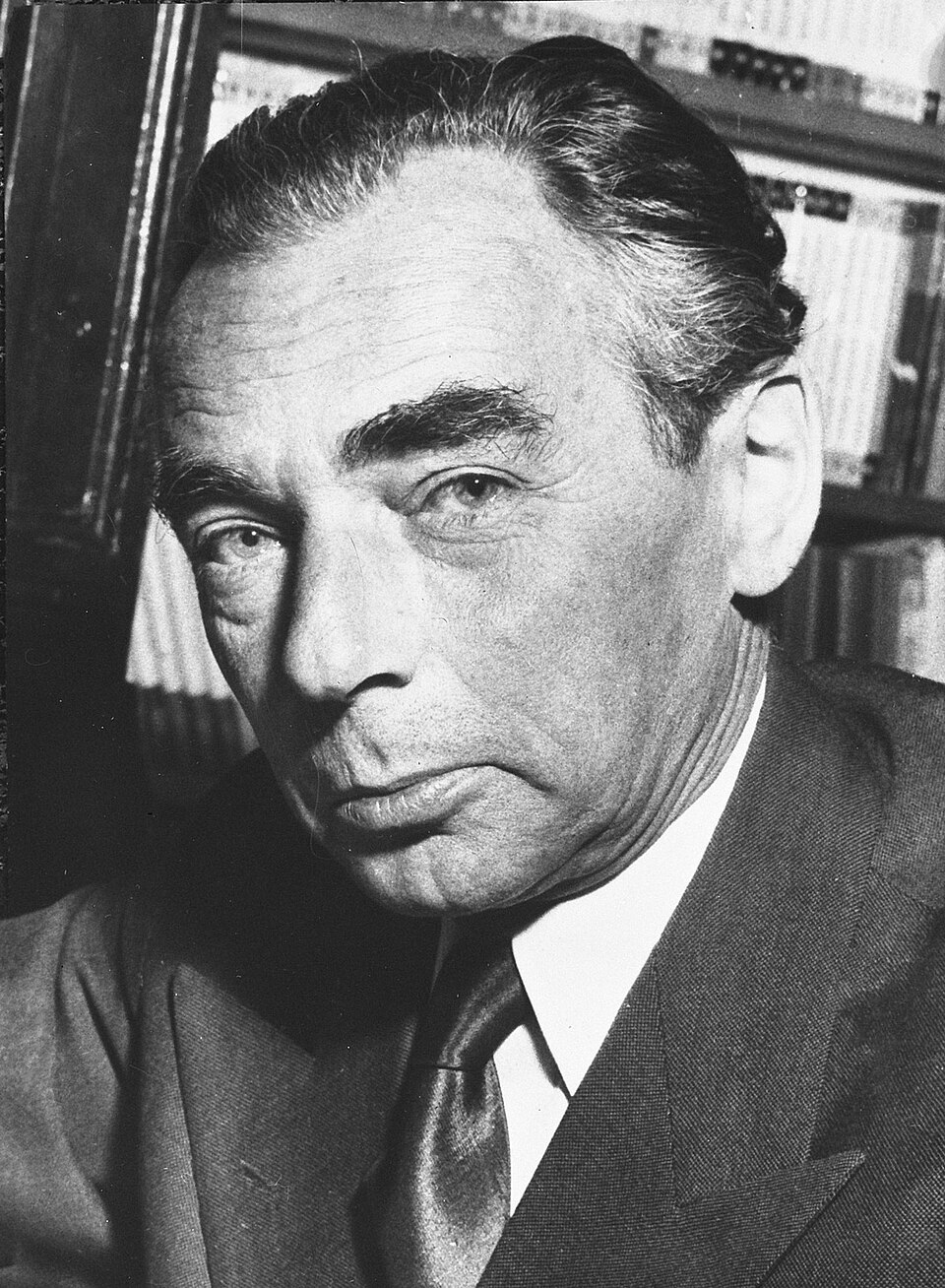
Erich Kästner was born on February 23, 1899[1], in Dresden[2]. He died on July 29, 1974[3], in Munich[4]. He worked as a writer[5], poet[6], novelist[7], children's writer[8], and screenwriter[9]. He ranks in the top 0.71% of human entities by monthly Wikipedia readership (15,674 views/month, #7,075 of 1,000,298).[10]
Key Facts
- Place of burial: Bogenhausener Friedhof[11]
- Father: Emil Kästner[12]
- Mother: Ida Kästner[13]
- Child: Thomas Kästner[14]
- Country of citizenship: German Empire[15], Weimar Republic[16], Nazi Germany[17], Allied-occupied Germany[18], West Germany[19], Germany[20]
- Native language: German[21]
- Ethnic group: Germans[22]
- Occupation: journalist[23], playwright[24], cabaret performer[25], opinion journalist[26], musician[27]
- Educated at: Leipzig University[28]
- Award received: Georg Büchner Prize[29], Commander's Cross of the Order of Merit of the Federal Republic of Germany[30], Hans Christian Andersen Award[31], Literary Prize of the State Capital of Munich[32], Kulturpreis der deutschen Freimaurer[33], Lessing Ring[34], honorary golden medal of the state capital Munich[35]
- Member of: German Academy for Language and Literature[36], Bavarian Academy of Fine Arts[37]
- Sex or gender: male[38]
- Genre: children's literature[39]
- Commons category: Erich Kästner[40]
- Archives at: German Literature Archive Marbach[41], Erich Kästner Kinderdorf[42]
- Cause of death: esophageal cancer[43]
- Academic degree: doctorate[44]
- Participated in conflict: World War I[45]
- Family name: Kästner[46]
- Given name: Erich[47]
- Pseudonym: Robert Neuner[48], Berthold Bürger[49], Peter Flint[50]
- Significant event: Nazi book burnings[51]
Body
Works and Contributions
Things named for Erich Kästner include Erich Kästner Museum[52] and 12318 Kästner[53].
Why It Matters
Erich Kästner has Wikipedia articles in 27 language editions, a strong signal of global cultural recognition.[54] He is known by 60 alternative names across languages and contexts.[55]
Works attributed to him include Emil and the Detectives[56], a literary work[57]; Lottie and Lisa[58], a literary work[59]; The Flying Classroom[60], a literary work[61]; Fabian[62], a literary work[63]; Dot and Anton[64], a literary work[65]; and The 35th of May, or Conrad's Ride to the South Seas[66], a literary work[67]. Entities named for him include Erich Kästner Museum[52] and 12318 Kästner[53].
FAQs
Where was Erich Kästner born?
Erich Kästner's place of birth was Dresden[2].
Where did Erich Kästner die?
Erich Kästner passed away in Munich[4].
Who were Erich Kästner's parents?
Erich Kästner's father was Emil Kästner[12]. Erich Kästner's mother was Ida Kästner[13].
What did Erich Kästner do for work?
Erich Kästner worked as a writer[5], poet[6], novelist[7], children's writer[8], and screenwriter[9].
Where did Erich Kästner go to school?
Erich Kästner was educated at Leipzig University[28].
What awards did Erich Kästner receive?
Honors received include Georg Büchner Prize[29], Commander's Cross of the Order of Merit of the Federal Republic of Germany[30], Hans Christian Andersen Award[31], and Literary Prize of the State Capital of Munich[32].