
Elisaveta Bagryana
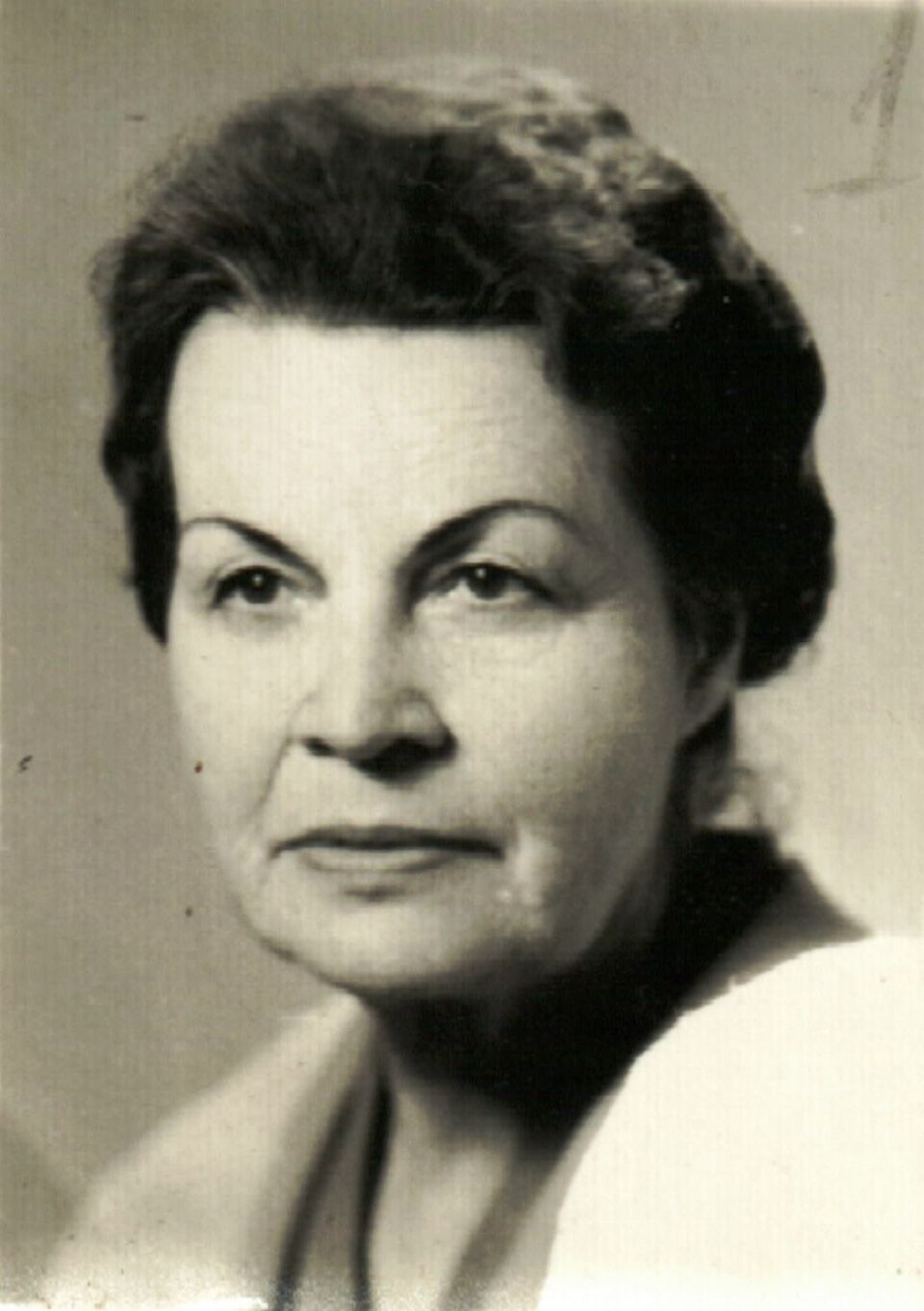
0 sources
Summary
Elisaveta Bagryana is a human[1]. She was born in Sofia[2]. She was born on April 29, 1893[3]. She died in Sofia[4]. She died on March 23, 1991[5]. She worked as a poet[6], translator[7], literary editor[8], and writer[9]. She ranks in the top 0.73% of human entities by monthly Wikipedia readership (104 views/month, #7,273 of 1,000,298).[10]
Key Facts
- Elisaveta Bagryana's place of birth was Sofia[2].
- Elisaveta Bagryana passed away in Sofia[4].
- Elisaveta Bagryana was born on April 29, 1893[3].
- Elisaveta Bagryana was born on April 16, 1893[11].
- Elisaveta Bagryana died on March 23, 1991[5].
- Elisaveta Bagryana died on March 24, 1991[12].
- Burial took place at Central Sofia Cemetery[13].
- Elisaveta Bagryana was married to Ivan Shapkarev[14].
- Elisaveta Bagryana held citizenship in Bulgaria[15].
- Elisaveta Bagryana worked as a poet[6].
- Elisaveta Bagryana worked as a translator[7].
- Elisaveta Bagryana's professions included literary editor[8].
- Elisaveta Bagryana's professions included writer[9].
- Elisaveta Bagryana's field of work was poetry[16].
- Elisaveta Bagryana was employed by Sofia University[17].
- Elisaveta Bagryana's education included a stint at Faculty of History of the Sofia University[18].
- Elisaveta Bagryana received the Hero of the People's Republic of Bulgaria[19].
- Elisaveta Bagryana received the Order of Georgi Dimitrov[20].
- Elisaveta Bagryana is recorded as female[21].
- Elisaveta Bagryana's instance of is recorded as human[22].
- Elisaveta Bagryana's Commons category is recorded as Elisaveta Bagriana[23].
- Elisaveta Bagryana's archives at is recorded as Central State Archives of Bulgaria[24].
- Elisaveta Bagryana's residence is recorded as Sofia[25].
- Elisaveta Bagryana's given name is recorded as Elizabeth[26].
- Elisaveta Bagryana's described by source is recorded as Great Soviet Encyclopedia (1969–1978)[27].
Body
Origins and Family
Born in Sofia[2], Elisaveta Bagryana… Recorded date of birth include April 29, 1893[3] and April 16, 1893[11].
Education
Elisaveta Bagryana's education included a stint at Faculty of History of the Sofia University[18].
Career and Affiliations
Recorded occupations include poet[6], translator[7], literary editor[8], and writer[9]. Elisaveta Bagryana's field of work was poetry[16]. She was employed by Sofia University[17].
Recognition
Awards received include Hero of the People's Republic of Bulgaria[19], an award[28], in People's Republic of Bulgaria[29], founded in 1948[30] and Order of Georgi Dimitrov[20], an order[31], in People's Republic of Bulgaria[32], founded in 1950[33].
Personal Life
Elisaveta Bagryana was married to Ivan Shapkarev[14].
Death and Burial
Recorded date of death include March 23, 1991[5] and March 24, 1991[12]. Elisaveta Bagryana passed away in Sofia[4]. She is buried at Central Sofia Cemetery[13].
Works and Contributions
Things named for Elisaveta Bagryana include Bagryana[34], a crater[35].
Why It Matters
Elisaveta Bagryana ranks in the top 0.73% of human entities by monthly Wikipedia readership (104 views/month, #7,273 of 1,000,298).[10] She has Wikipedia articles in 15 language editions, a strong signal of global cultural recognition.[36] She is known by 35 alternative names across languages and contexts.[37]
Works attributed to her include My Bulgaria, land of heroes[38], a national anthem[39], written by Nikola Furnadzhiev[40]. Entities named for her include Bagryana[34], a crater[35].
FAQs
Where was Elisaveta Bagryana born?
Elisaveta Bagryana was born in Sofia[2].
Where did Elisaveta Bagryana die?
Elisaveta Bagryana died in Sofia[4].
Who was Elisaveta Bagryana married to?
Elisaveta Bagryana's spouses include Ivan Shapkarev[14].
What did Elisaveta Bagryana do for work?
Elisaveta Bagryana worked as poet[6], translator[7], literary editor[8], and writer[9].
Where did Elisaveta Bagryana go to school?
Elisaveta Bagryana was educated at Faculty of History of the Sofia University[18].
What awards did Elisaveta Bagryana receive?
Honors received include Hero of the People's Republic of Bulgaria[19] and Order of Georgi Dimitrov[20].