
Albert Schweitzer
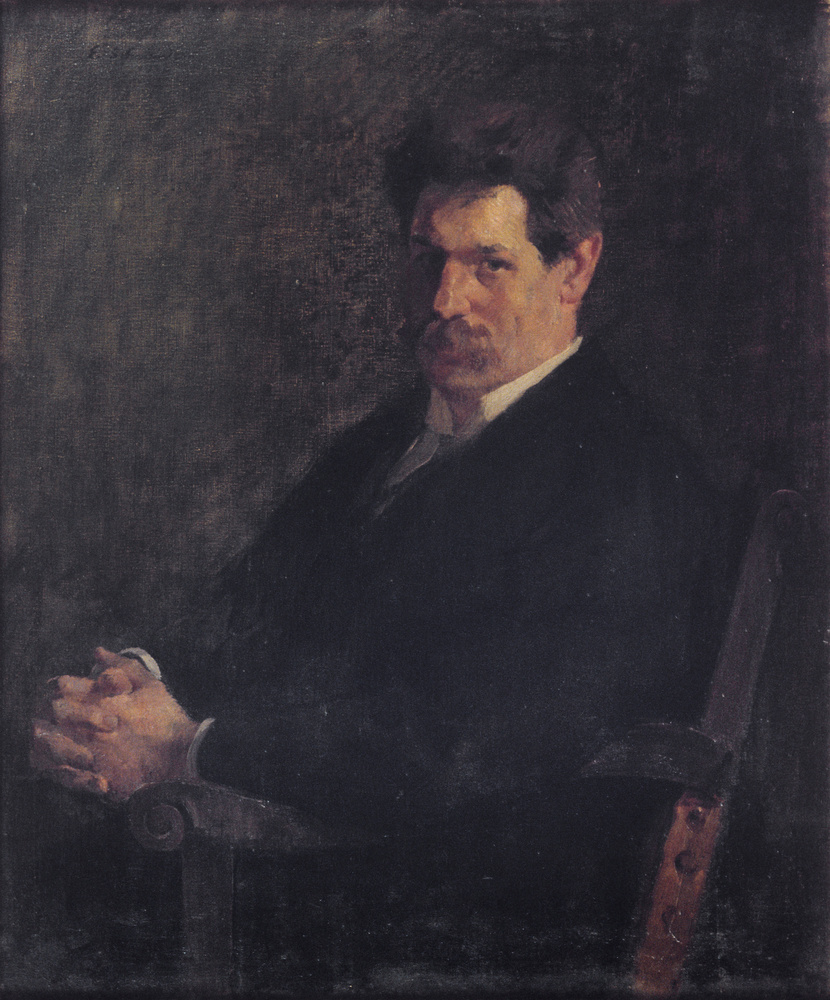
0 sources
Summary
Albert Schweitzer was born in Kaysersberg[1]. He died in Lambaréné[2]. He worked as a theologian[3], philosopher[4], physician[5], organist[6], and physician writer[7]. He ranks in the top 0.62% of human entities by monthly Wikipedia readership (13,464 views/month, #6,190 of 1,000,298).[8]
Key Facts
- Place of burial: Albert Schweitzer Hospital[9]
- Father: Louis Théophile Schweitzer[10]
- Mother: Adèle Schillinger[11]
- Spouse: Helene Bresslau[12]
- Child: Rhena Schweitzer Miller[13]
- Country of citizenship: German Reich[14], France[15]
- Ethnic group: Germans[16]
- Occupation: university teacher[17], musicologist[18], music historian[19], composer[20], missionary[21], pacifist[22], author[23], musician[24]
- Field of work: philosophy[25]
- Employer: University of Strasbourg[26]
- Educated at: University of Strasbourg[27], University of Tübingen[28], philosophy faculty of the German university of Prague[29]
- Doctoral advisor: Theobald Ziegler[30]
- Award received: Nobel Peace Prize[31], Officer of the Legion of Honour[32], honorary citizen of Frankfurt am Main[33], Peace Prize of the German Publishers' and Booksellers' Association[34], Goethe Prize[35], Pour le Mérite[36], Goethe Plaque of the City of Frankfurt[37], Paracelsus Medal of the German Medical Association[38], James Cook Medal[39], Pour le Mérite for Sciences and Arts order[40], honorary citizen of Pfaffenhoffen[41], Goethe Medal for Art and Science[42], Great Gold medal of the Société d'Encouragement au Progrès[43], Sonning Prize[44]
- Member of: Académie des Sciences Morales et Politiques[45], American Academy of Arts and Sciences[46], Bavarian Academy of Fine Arts[47], Royal Prussian Academy of Sciences[48], Order of Saint Lazarus[49], Schwarzburgbund[50]
- Religion or worldview: Protestantism[51], reformed[52]
- Sex or gender: male[53]
- Record label: Columbia Records[54], Philips Records[55]
- Commons category: Albert Schweitzer[56]
Product Details
The following facts are restated verbatim from public-domain and CC0 open-data sources — every line is independently verifiable against the named source's catalog.
MusicBrainz — CC0 open music encyclopedia
-
Type: Person[57]
-
Country: FR[58]
-
Began / founded: 1875-01-14[59]
-
Ended / dissolved: 1965-09-04[60]
-
MusicBrainz ID: df4906d0-2a9e-461e-b6b5-1bcca3731483[61]
Body
Works and Contributions
Things named for Albert Schweitzer include Albert Schweitzer Hospital[62], a hospital[63], in Gabon[64], founded in 1913[65]; he[66], a named passenger train service[67], in Germany[68], founded in 1980[69]; Albert Schweitzer Prize for Humanitarianism[70]; 7698 Schweitzer[71]; and he prize[72].
Why It Matters
Albert Schweitzer has Wikipedia articles in 28 language editions, a strong signal of global cultural recognition.[73] He is known by 26 alternative names across languages and contexts.[74]
He has been cited as an influence by E. P. Sanders[75], a theologian[76], 1937–2022[77], of United States[78], awarded the Guggenheim Fellowship[79], specialised in biblical studies[80].
Entities named for him include Albert Schweitzer Hospital[62], a hospital[63], in Gabon[64], founded in 1913[65]; he[66], a named passenger train service[67], in Germany[68], founded in 1980[69]; Albert Schweitzer Prize for Humanitarianism[70]; 7698 Schweitzer[71]; and he prize[72].
FAQs
Where was Albert Schweitzer born?
Albert Schweitzer's place of birth was Kaysersberg[1].
Where did Albert Schweitzer die?
Albert Schweitzer passed away in Lambaréné[2].
Who were Albert Schweitzer's parents?
Albert Schweitzer's father was Louis Théophile Schweitzer[10]. Albert Schweitzer's mother was Adèle Schillinger[11].
Who was Albert Schweitzer married to?
Albert Schweitzer's spouses include Helene Bresslau[12].
What did Albert Schweitzer do for work?
Albert Schweitzer worked as a theologian[3], philosopher[4], physician[5], organist[6], and physician writer[7].
Where did Albert Schweitzer go to school?
Albert Schweitzer was educated at University of Strasbourg[27], University of Tübingen[28], and philosophy faculty of the German university of Prague[29].
What awards did Albert Schweitzer receive?
Honors received include Nobel Peace Prize[31], Officer of the Legion of Honour[32], honorary citizen of Frankfurt am Main[33], and Peace Prize of the German Publishers' and Booksellers' Association[34].
Who did Albert Schweitzer influence?
Albert Schweitzer has been cited as an influence by E. P. Sanders[75].