
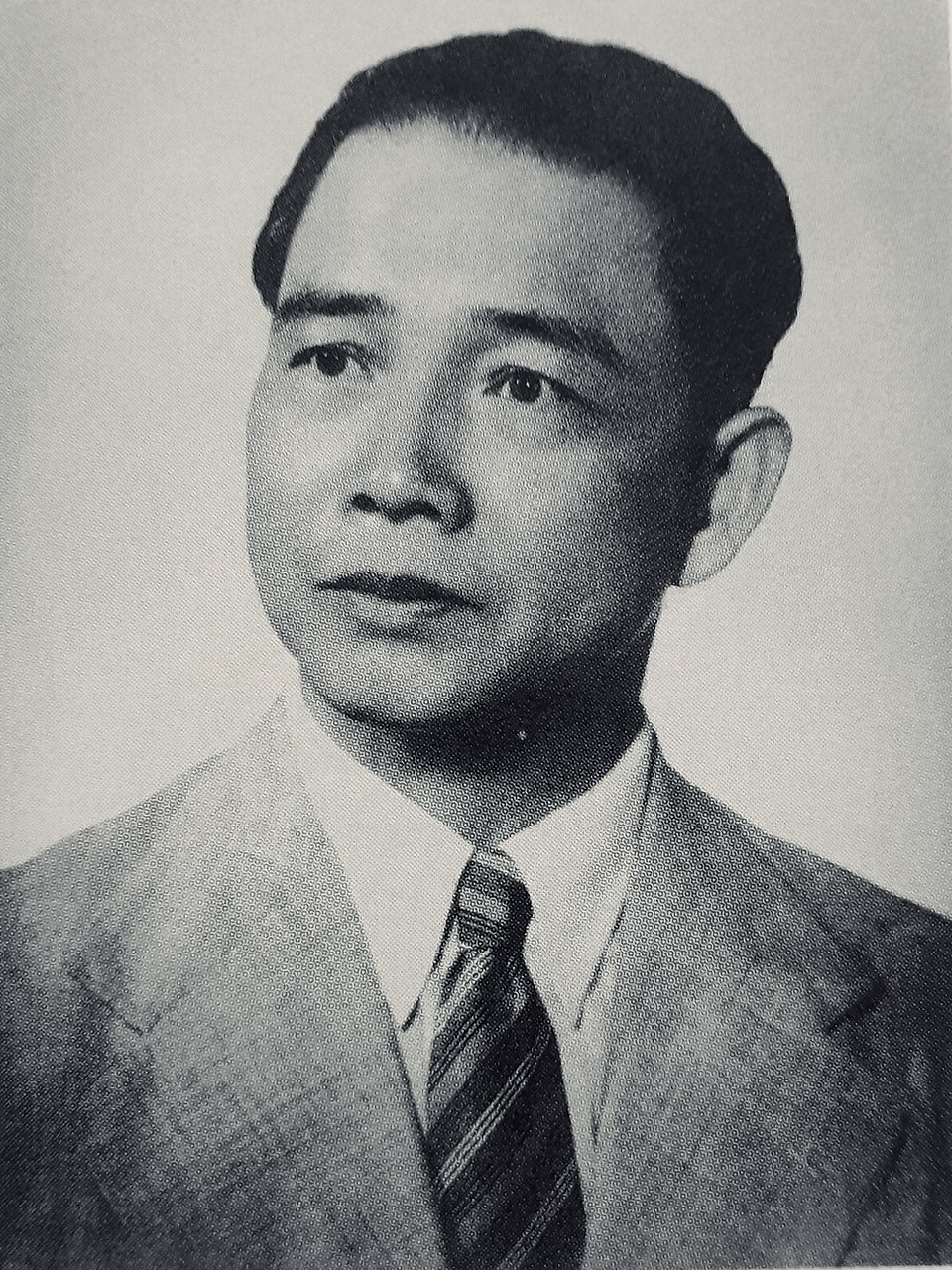
Wang Jingwei
0 sources
Wang Jingwei
Summary
Wang Jingwei is a human[1]. His place of birth was Sanshui District[2]. He was born on May 4, 1883[3]. He passed away in Nagoya[4]. He died on November 10, 1944[5]. He worked as a politician[6], diplomat[7], and artist[8]. He ranks in the top 0.61% of human entities by monthly Wikipedia readership (6,558 views/month, #6,079 of 1,000,298).[9]
Key Facts
- Born in Sanshui District[2], Wang Jingwei…
- Wang Jingwei passed away in Nagoya[4].
- Wang Jingwei was born on May 4, 1883[3].
- Wang Jingwei was born on January 1, 1883[10].
- Wang Jingwei died on November 10, 1944[5].
- Wang Jingwei died on January 1, 1944[11].
- Among Wang Jingwei's spouses was Chen Bijun[12].
- Wang Jingwei held citizenship in Qing dynasty[13].
- Wang Jingwei held citizenship in Republic of China[14].
- Wang Jingwei worked as a politician[6].
- Wang Jingwei's professions included diplomat[7].
- Wang Jingwei worked as an artist[8].
- Wang Jingwei held the position of President of the Republic of China[15].
- Wang Jingwei held the position of Premier of the Republic of China[16].
- Wang Jingwei was educated at Tokyo School of Law[17].
- Wang Jingwei received the Grand Cordon of the Supreme Order of the Chrysanthemum[18].
- Wang Jingwei is recorded as male[19].
- Wang Jingwei's instance of is recorded as human[20].
- Wang Jingwei's ancestral home is recorded as Panyu County[21].
- Wang Jingwei was affiliated with the Kuomintang[22].
- Wang Jingwei was affiliated with the Tongmenghui[23].
- Wang Jingwei's Commons category is recorded as Wang Jingwei[24].
- Wang Jingwei's military, police or special rank is recorded as Q85882370[25].
- The cause of death was cancer[26].
- Wang Jingwei's family name is recorded as Wang[27].
Body
Origins and Family
Wang Jingwei was born in Sanshui District[2]. Recorded date of birth include May 4, 1883[3] and January 1, 1883[10].
Education
Wang Jingwei was educated at Tokyo School of Law[17].
Career and Affiliations
Recorded occupations include politician[6], diplomat[7], and artist[8]. Positions held include President of the Republic of China[15], a position[28], in Taiwan[29], founded in 1948[30] and Premier of the Republic of China[16], a public office[31], in Taiwan[32], founded in 1928[33].
Recognition
Wang Jingwei received the Grand Cordon of the Supreme Order of the Chrysanthemum[18].
Personal Life
Wang Jingwei was married to Chen Bijun[12]. Political affiliations include Kuomintang[22], a political party[34], in Taiwan[35], founded in 1919[36], headquartered in Taipei[37] and Tongmenghui[23], a secret society[38], in Empire of Japan[39], founded in 1905[40], headquartered in Tokyo[41].
Death and Burial
Recorded date of death include November 10, 1944[5] and January 1, 1944[11]. Wang Jingwei died in Nagoya[4]. The cause of death was cancer[26].
Why It Matters
Wang Jingwei ranks in the top 0.61% of human entities by monthly Wikipedia readership (6,558 views/month, #6,079 of 1,000,298).[9] He has Wikipedia articles in 28 language editions, a strong signal of global cultural recognition.[42] He is known by 34 alternative names across languages and contexts.[43]
Works attributed to him include Last Will and Testament of Sun Yat-sen[44], a will[45], written by Sun Yat-sen[46].
FAQs
Where was Wang Jingwei born?
Born in Sanshui District[2], Wang Jingwei…
Where did Wang Jingwei die?
Wang Jingwei passed away in Nagoya[4].
Who was Wang Jingwei married to?
Wang Jingwei's spouses include Chen Bijun[12].
What did Wang Jingwei do for work?
Wang Jingwei worked as politician[6], diplomat[7], and artist[8].
Where did Wang Jingwei go to school?
Wang Jingwei was educated at Tokyo School of Law[17].
What awards did Wang Jingwei receive?
Honors received include Grand Cordon of the Supreme Order of the Chrysanthemum[18].