
Vyacheslav Shishkov
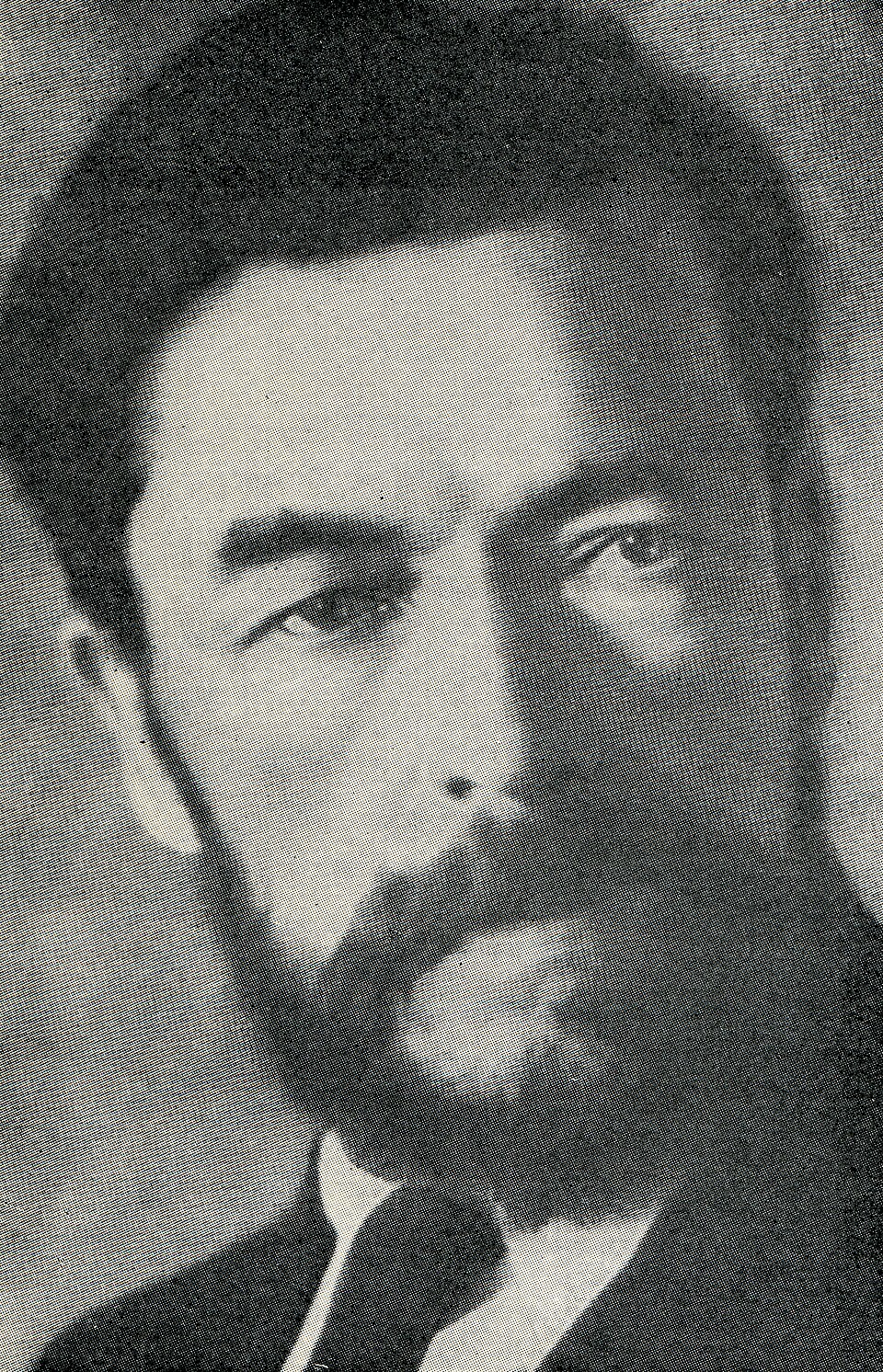
0 sources
Summary
Vyacheslav Shishkov was born on September 21, 1873[1], in Bezhetsk[2]. He died on March 6, 1945[3], in Moscow[4]. He worked as a writer[5], engineer[6], chief engineer (Nordic countries)[7], and short story writer[8]. He ranks in the top 0.73% of human entities by monthly Wikipedia readership (1,221 views/month, #7,294 of 1,000,298).[9]
Key Facts
- Date of birth: October 3, 1873[10]
- Place of burial: Novodevichy Cemetery[11]
- Spouse: Q116235221[12]
- Country of citizenship: Russian Empire[13], Soviet Union[14], Russia[15]
- Native language: Russian[16]
- Award received: Stalin Prize[17], Order of Lenin[18], Order of the Badge of Honour[19], Medal "For the Defence of Leningrad"[20]
- Member of: USSR Union of Writers[21]
- Sex or gender: male[22]
- Genre: short novel[23]
- Commons category: Vyacheslav Shishkov[24]
- Family name: Shishkov[25]
- Given name: Vyacheslav[26]
- Described by source: Great Soviet Encyclopedia (1969–1978)[27], Great Soviet Encyclopedia (1926–1947)[28], Russian literature of the 20th century. Volume 3, 2005[29], Writers of St. Petersburg. XX century[30], Faces of Moscow[31]
- Languages spoken, written or signed: Russian[32]
- Start of work period: 1908[33]
- Writing language: Russian[34]
Why It Matters
Vyacheslav Shishkov is known by 25 alternative names across languages and contexts.[35]
Works attributed to him include Gloomy River[36], a literary work[37], founded in 1913[38].
FAQs
Where was Vyacheslav Shishkov born?
Vyacheslav Shishkov's place of birth was Bezhetsk[2].
Where did Vyacheslav Shishkov die?
Vyacheslav Shishkov passed away in Moscow[4].
Who was Vyacheslav Shishkov married to?
Vyacheslav Shishkov's spouses include Q116235221[12].
What did Vyacheslav Shishkov do for work?
Vyacheslav Shishkov worked as a writer[5], engineer[6], chief engineer (Nordic countries)[7], and short story writer[8].
What awards did Vyacheslav Shishkov receive?
Honors received include Stalin Prize[17], Order of Lenin[18], Order of the Badge of Honour[19], and Medal "For the Defence of Leningrad"[20].