
Tourette syndrome
neurodevelopmental condition
Press Enter · cited answer in seconds
0 sources
Summary
Tourette syndrome is a rare disease[1]. It ranks in the top 1% of rare disease entities by monthly Wikipedia readership (29,115 views/month).[2]
Key Facts
- Instance of: class of disease[3]
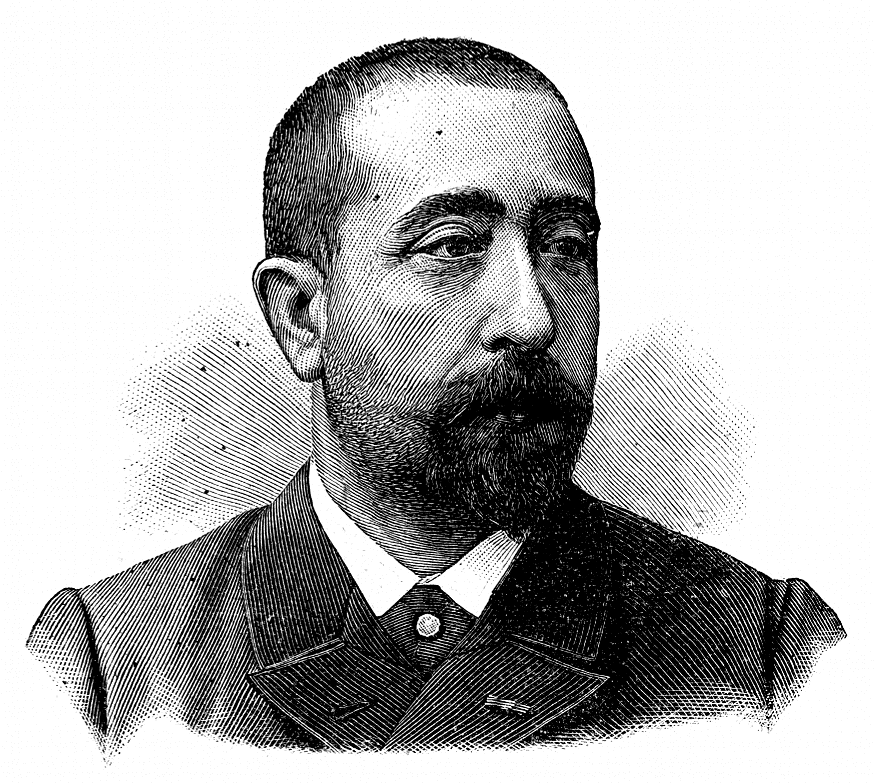
- Named after: Georges Gilles de la Tourette[4]
- Subclass of: tic disorder[5], genetic disease[6], genetic movement disorder[7], disease[8]
- Commons category: Tourette syndrome[9]
- ICPC 2 ID: P10[10]
- Symptoms and signs: tic[11]
- Topic's main category: Category:Tourette syndrome[12]
- ICD-9-CM: 307.23[13]
- NCI Thesaurus ID: C35078[14]
- Different from: turret[15]
- Health specialty: neurology[16]
- Drug or therapy used for treatment: ziprasidone[17], mecamylamine[18], haloperidol[19], risperidone[20], pergolide[21], pimozide[22], clonidine[23], perphenazine[24], tetrabenazine[25], aripiprazole[26]
- Genetic association: PHEX[27], IMMP2L[28], SLITRK1[29]
- Exact match: http://purl.obolibrary.org/obo/DOID_11119[30], http://identifiers.org/doid/DOID:11119[31], http://www.orpha.net/ORDO/Orphanet_856[32]
- On focus list of Wikimedia project: WikiProject Medicine[33]
- Risk factor: smoking[34]
Body
Works and Contributions
Things named for Tourette syndrome include Tourette's[35], a musical work/composition[36].
Why It Matters
Tourette syndrome has Wikipedia articles in 29 language editions, a strong signal of global cultural recognition.[37] It is known by 104 alternative names across languages and contexts.[38]
Entities named for it include Tourette's[35], a musical work/composition[36].