
Tibetan
Tibeto-Burman language
Press Enter · cited answer in seconds
0 sources
Summary
Tibetan is a natural language[1]. Tibetan draws 2,986 Wikipedia views per month (natural language category, ranking #171 of 734).[2]
Key Facts
- Country: People's Republic of China[3], Nepal[4], India[5]
- Instance of: modern language[6]
- Follows: Classical Tibetan[7]
- Subclass of: Tibetic[8], Central Tibetan[9]
- Writing system: Tibetan alphabet[10], Tibetan Braille[11]
- Commons category: Tibetan language[12]
- Wikimedia language code: bo[13]
- Topic's main category: Category:Tibetan language[14]
- Number of speakers, writers, or signers: 1,200,000[15]
- Described by source: Nordisk familjebok[16], Brockhaus and Efron Encyclopedic Dictionary[17], Small Brockhaus and Efron Encyclopedic Dictionary[18], Armenian Soviet Encyclopedia, vol. 11[19], Granat Encyclopedic Dictionary[20]
- Topic has template: Template:Bo icon[21]
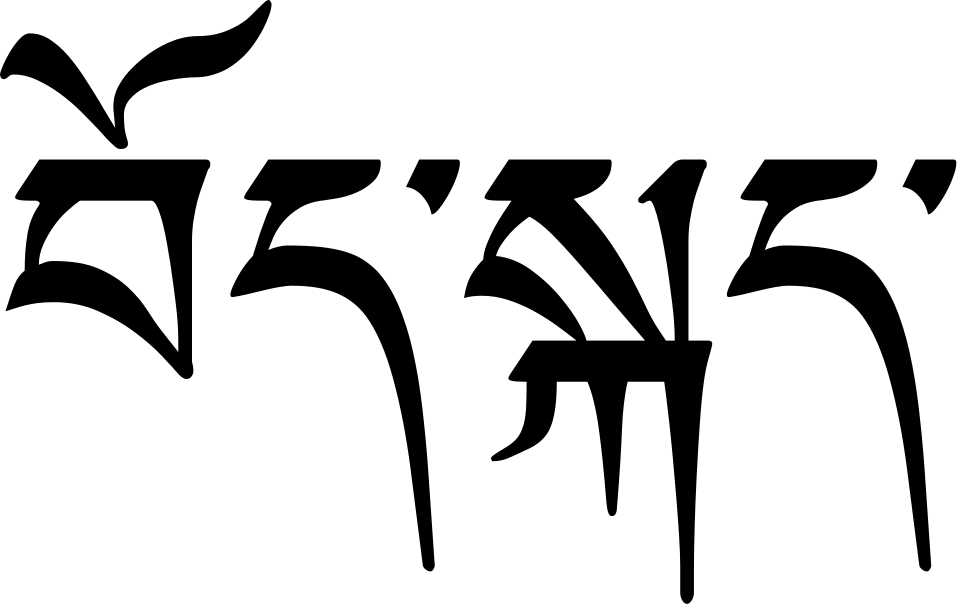
- Native label: བོད་ཡིག[22], བོད་སྐད[23]
- Indigenous to: Tibet Autonomous Region[24], Xinjiang[25], Arunachal Pradesh[26], Assam[27], Delhi[28], Himachal Pradesh[29], Sikkim[30], Uttarakhand[31], Bhutan[32], Qinghai[33], Sichuan[34], Gansu[35]
- Studied by: Tibetology[36]
- Exact match: http://publications.europa.eu/resource/authority/language/BOD[37]
- Ethnologue language status: 2 Provincial[38]
- Linguistic typology: subject–object–verb[39], ergative–absolutive language[40]
- Category for films in this language: Category:Tibetan-language films[41]
Why It Matters
Tibetan has Wikipedia articles in 29 language editions, a strong signal of global cultural recognition.[42] Tibetan is known by 70 alternative names across languages and contexts.[43]