
Shihab al-Din Suhrawardi
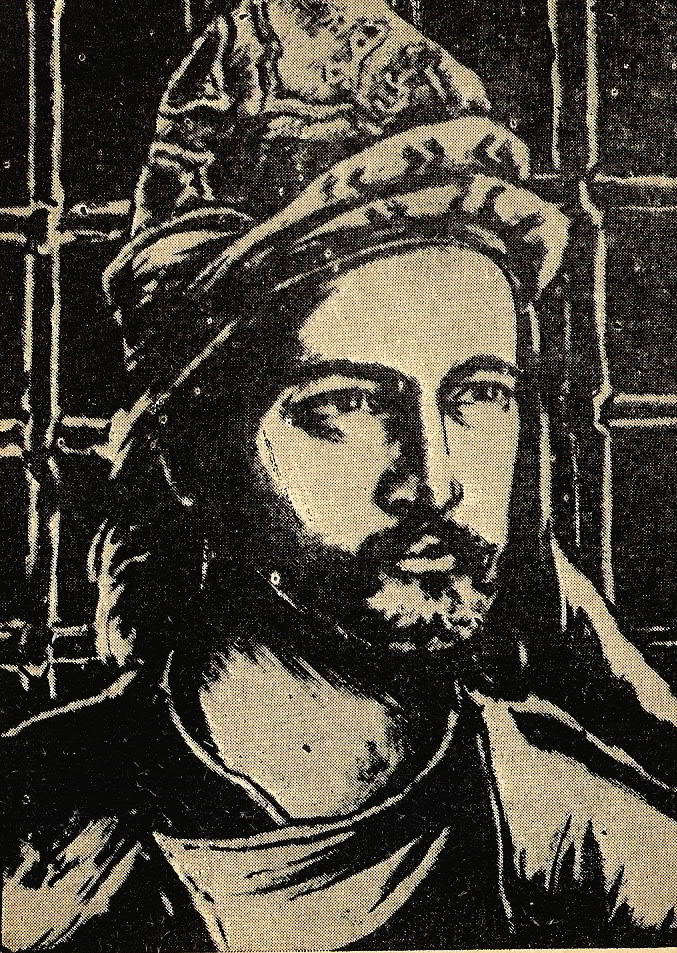
0 sources
Summary
Shihab al-Din Suhrawardi was born on January 1, 1155[1], in Sohrevard[2]. He died on January 1, 1191[3], in Aleppo[4]. He worked as a philosopher[5], writer[6], and poet[7]. He ranks in the top 0.71% of human entities by monthly Wikipedia readership (1,848 views/month, #7,145 of 1,000,298).[8]
Key Facts
- Country of citizenship: Abbasid Caliphate[9]
- Field of work: Islamic philosophy[10], Sufism[11], peripatetic school[12], illuminationism[13], philosophy[14]
- Notable work: Q18608747[15]
- Religion or worldview: Sunni Islam[16], Sufism[17]
- Influenced by: Farabi[18]
- Sex or gender: male[19]
- Commons category: Suhrawardi[20]
- Given name: Shehab[21]
- Work location: Persian Empire[22]
- Described at URL: https://librarycatalog.usj.edu.lb/cgi-bin/koha/opac-authoritiesdetail.pl?authid=222202[23]
- Student of: Majduddin al-Jili[24]
- Languages spoken, written or signed: Persian[25], Arabic[26]
- Commons Creator page: Shihab al-Din al-Suhrawardi[27]
- Name in native language: شهابالدین سهروردی[28]
- Different from: Abu Hafs Umar al-Suhrawardi[29]
- Time period: Eldiguzids[30]
- Copyright status as a creator: copyrights on works have expired[31]
Why It Matters
Shihab al-Din Suhrawardi has Wikipedia articles in 18 language editions, a strong signal of global cultural recognition.[32] He is known by 59 alternative names across languages and contexts.[33]
He has been cited as an influence by Hossein Nasr[34], a philosopher[35], b. 1933[36], of Iran[37], awarded the Gittler Prize[38] and Henry Corbin[39], a translator[40], 1903–1978[41], of France[42], specialised in philosophy[43].
FAQs
Where was Shihab al-Din Suhrawardi born?
Shihab al-Din Suhrawardi was born in Sohrevard[2].
Where did Shihab al-Din Suhrawardi die?
Shihab al-Din Suhrawardi passed away in Aleppo[4].
What did Shihab al-Din Suhrawardi do for work?
Shihab al-Din Suhrawardi worked as a philosopher[5], writer[6], and poet[7].
Who did Shihab al-Din Suhrawardi influence?
Shihab al-Din Suhrawardi has been cited as an influence by Hossein Nasr[34] and Henry Corbin[39].