
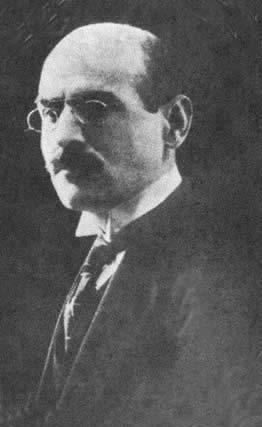
Sati' al-Husri
Syrian politician (1882–1968)
Press Enter · cited answer in seconds
0 sources
Summary
Sati' al-Husri was born on 1880[1] in Sanaa[2]. He died on December 23, 1968[3], in Baghdad[4]. He worked as a writer[5], politician[6], education policymaker[7], pedagogue[8], and researcher[9]. He ranks in the top 0.73% of human entities by monthly Wikipedia readership (347 views/month, #7,268 of 1,000,298).[10]
Key Facts
- Date of birth: January 1, 1882[11]
- Date of death: January 1, 1968[12]
- Place of burial: Al Khaisaran cemetery[13]
- Child: Khaldun S. al-Husry[14]
- Country of citizenship: Iraq[15], Syria[16]
- Occupation: academic[17]
- Notable work: Dirasāt ʻan Muqqadimat Ibn Khaldūn[18], al-Qira'ah al-Khaldoniya[19]
- Member of: Arab Academy of Damascus[20]
- Sex or gender: male[21]
- Member of political party: Committee of Union and Progress[22]
- Commons category: Sati' al-Husri[23]
- Given name: Mustafa[24]
- Described at URL: https://www.biografiasyvidas.com/biografia/h/husari.htm[25]
- Political ideology: Arab nationalism[26], Ba'athism[27]
- Described by source: al-Aʻlām (Dār al-ʻIlm, 2002)[28]
- Languages spoken, written or signed: Arabic[29], Ottoman Turkish[30]
- Nickname: أبو خلدون[31]
- Name in native language: ساطع بن محمد هلال الحصري[32]
- Sibling: Badee Nuri Al-Husri[33]
Why It Matters
Sati' al-Husri has Wikipedia articles in 13 language editions, a strong signal of global cultural recognition.[34] He is known by 26 alternative names across languages and contexts.[35]
FAQs
Where was Sati' al-Husri born?
Sati' al-Husri's place of birth was Sanaa[2].
Where did Sati' al-Husri die?
Sati' al-Husri passed away in Baghdad[4].
What did Sati' al-Husri do for work?
Sati' al-Husri worked as a writer[5], politician[6], education policymaker[7], pedagogue[8], and researcher[9].