
Saigō Takamori
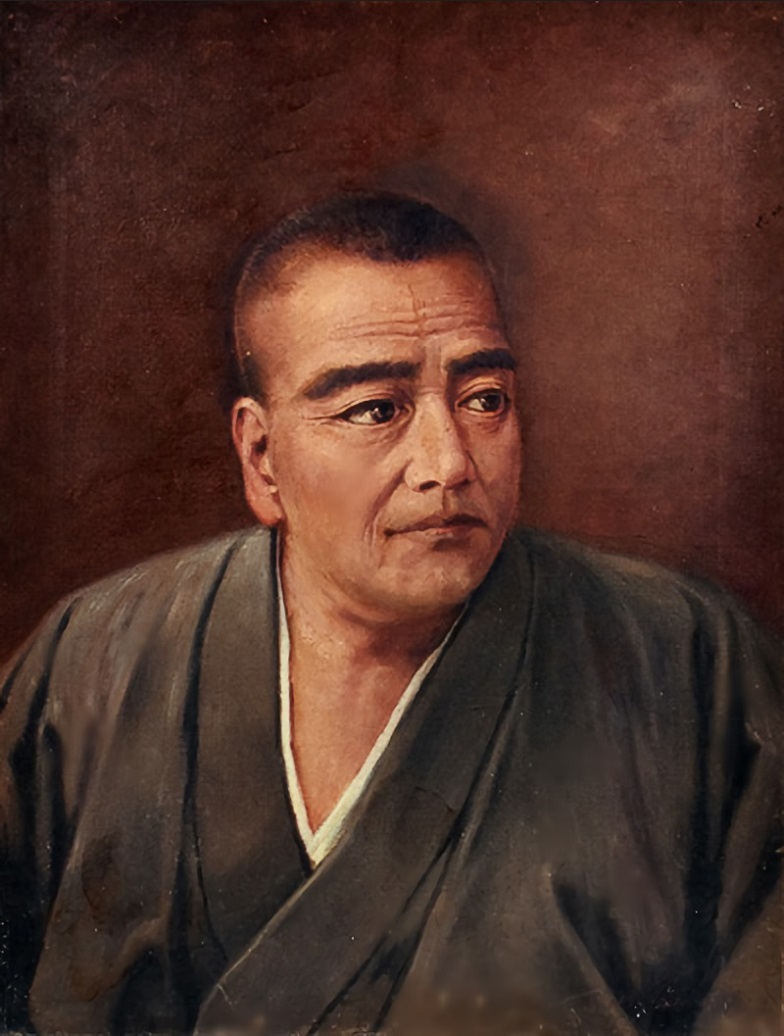
0 sources
Summary
Saigō Takamori was born on January 23, 1828[1], in Kajiya-chō[2]. He died on September 24, 1877[3], in Yamashita-chō[4]. He worked as a bushi[5], samurai[6], politician[7], and military personnel[8]. He ranks in the top 0.57% of human entities by monthly Wikipedia readership (29,102 views/month, #5,678 of 1,000,298).[9]
Key Facts
- Place of burial: Nanshū Shrine[10]
- Father: Saigō Kichibei[11]
- Mother: Shiihara Masa[12]
- Spouse: Ijūin Suga[13], Arikana[14], Saigō Itoko[15]
- Child: Saigō Kikujirō[16], Toratarō Saigō[17], Saigō Kikusō[18]
- Country of citizenship: Japan[19]
- Native language: Japanese[20]
- Ethnic group: Japanese people[21]
- Position held: daisanji[22]
- Employer: Satsuma Domain[23]
- Notable work: Nanshūō Ikun[24]
- Member of: Seichūgumi[25], caretaker government[26]
- Religion or worldview: Confucianism[27]
- Sex or gender: male[28]
- Family: Saigō Takamori family[29]
- Named after: Saigō Kichibei[30]
- Killed by: Beppu Shinsuke[31]
- Military branch: Imperial Japanese Army[32]
- Part of: Three great nobles[33], Ten great nobles[34]
- Commons category: Saigo Takamori[35]
- Military, police or special rank: gensui[36], general[37]
- Cause of death: gunshot wound[38], decapitation[39]
- Participated in conflict: Boshin War[40], Kinmon Incident[41], Satsuma Rebellion[42]
- Family name: Saigō[43]
- Given name: Takamori[44]
Why It Matters
Saigō Takamori has Wikipedia articles in 27 language editions, a strong signal of global cultural recognition.[45] He is known by 96 alternative names across languages and contexts.[46]
FAQs
Where was Saigō Takamori born?
Saigō Takamori's place of birth was Kajiya-chō[2].
Where did Saigō Takamori die?
Saigō Takamori died in Yamashita-chō[4].
Who were Saigō Takamori's parents?
Saigō Takamori's father was Saigō Kichibei[11]. Saigō Takamori's mother was Shiihara Masa[12].
Who was Saigō Takamori married to?
Saigō Takamori's spouses include Ijūin Suga[13], Arikana[14], and Saigō Itoko[15].
What did Saigō Takamori do for work?
Saigō Takamori worked as a bushi[5], samurai[6], politician[7], and military personnel[8].