
Princess Maria Amélia of Brazil
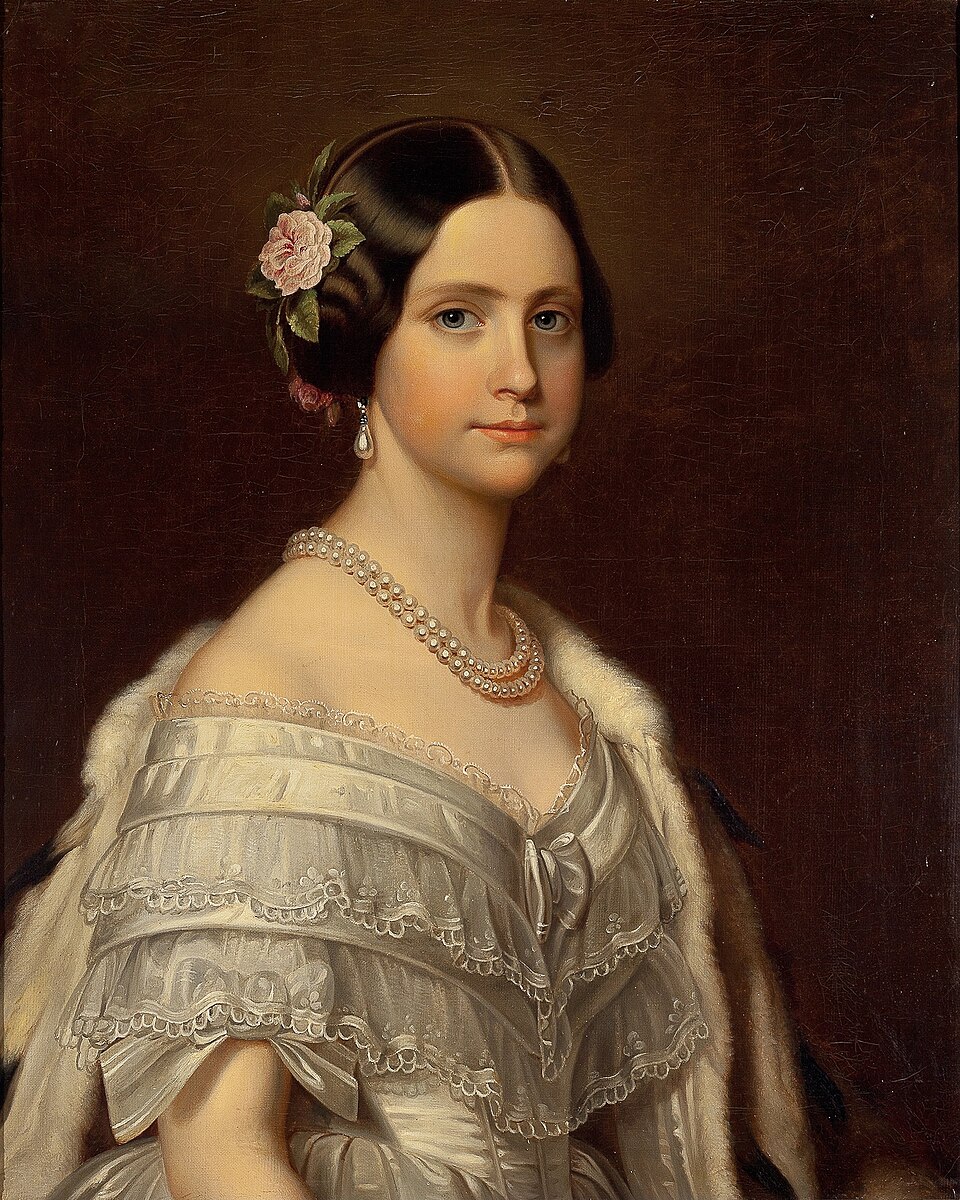
0 sources
Princess Maria Amélia of Brazil
Summary
Princess Maria Amélia of Brazil is a human[1]. Her place of birth was Paris[2]. She was born on December 1, 1831[3]. She died in Funchal[4]. She died on February 4, 1853[5]. She has Wikipedia articles in 22 language editions, a strong signal of global cultural recognition.[6]
Key Facts
- Born in Paris[2], Princess Maria Amélia of Brazil…
- Princess Maria Amélia of Brazil died in Funchal[4].
- Princess Maria Amélia of Brazil was born on December 1, 1831[3].
- Princess Maria Amélia of Brazil died on February 4, 1853[5].
- Princess Maria Amélia of Brazil is buried at Rio de Janeiro[7].
- Princess Maria Amélia of Brazil's father was Pedro I of Brazil[8].
- Princess Maria Amélia of Brazil's mother was Empress Amélie of Brazil[9].
- Princess Maria Amélia of Brazil held citizenship in Brazil[10].
- Princess Maria Amélia of Brazil received the Order of Saint Elisabeth[11].
- Princess Maria Amélia of Brazil received the Imperial Order of the Rose[12].
- Princess Maria Amélia of Brazil received the Order of Pedro I[13].
- Princess Maria Amélia of Brazil received the Order of the Immaculate Conception of Vila Viçosa[14].
- Princess Maria Amélia of Brazil received the Order of Saint Isabel[15].
- Princess Maria Amélia of Brazil received the Order of Queen Maria Luisa[16].
- Princess Maria Amélia of Brazil's religion is recorded as Catholicism[17].
- Princess Maria Amélia of Brazil is recorded as female[18].
- Princess Maria Amélia of Brazil's instance of is recorded as human[19].
- Princess Maria Amélia of Brazil's family is recorded as House of Braganza[20].
- Princess Maria Amélia of Brazil's noble title is recorded as princess[21].
- Princess Maria Amélia of Brazil's Commons category is recorded as Princess Maria Amélia of Brazil[22].
- The cause of death was tuberculosis[23].
- Princess Maria Amélia of Brazil's given name is recorded as Maria[24].
- Princess Maria Amélia of Brazil's medical condition is recorded as tuberculosis[25].
- Princess Maria Amélia of Brazil's manner of death is recorded as natural causes[26].
- Princess Maria Amélia of Brazil's languages spoken, written or signed is recorded as Portuguese[27].
Body
Origins and Family
Princess Maria Amélia of Brazil's place of birth was Paris[2]. She was born on December 1, 1831[3]. Her father was Pedro I of Brazil[8]. Her mother was Empress Amélie of Brazil[9].
Recognition
Awards received include Order of Saint Elisabeth[11], an order of chivalry for women[28], in Kingdom of Bavaria[29], founded in 1766[30]; Imperial Order of the Rose[12], an order of chivalry[31], in Empire of Brazil[32], founded in 1829[33]; Order of Pedro I[13], an order[34], in Brazil[35], founded in 1826[36]; Order of the Immaculate Conception of Vila Viçosa[14], an order of chivalry[37], in Kingdom of Portugal[38], founded in 1818[39]; Order of Saint Isabel[15], an order of chivalry for women[40], in Portugal[41], founded in 1801[42]; and Order of Queen Maria Luisa[16], an order of chivalry for women[43], in Spain[44], founded in 1792[45].
Personal Life
Princess Maria Amélia of Brazil's religion is recorded as Catholicism[17].
Death and Burial
Princess Maria Amélia of Brazil died on February 4, 1853[5]. She passed away in Funchal[4]. The cause of death was tuberculosis[23]. She is buried at Rio de Janeiro[7].
Why It Matters
Princess Maria Amélia of Brazil has Wikipedia articles in 22 language editions, a strong signal of global cultural recognition.[6] She is known by 13 alternative names across languages and contexts.[46]
FAQs
Where was Princess Maria Amélia of Brazil born?
Princess Maria Amélia of Brazil was born in Paris[2].
Where did Princess Maria Amélia of Brazil die?
Princess Maria Amélia of Brazil died in Funchal[4].
Who were Princess Maria Amélia of Brazil's parents?
Princess Maria Amélia of Brazil's father was Pedro I of Brazil[8]. Princess Maria Amélia of Brazil's mother was Empress Amélie of Brazil[9].
What awards did Princess Maria Amélia of Brazil receive?
Honors received include Order of Saint Elisabeth[11], Imperial Order of the Rose[12], Order of Pedro I[13], and Order of the Immaculate Conception of Vila Viçosa[14].