
Olympe de Gouges
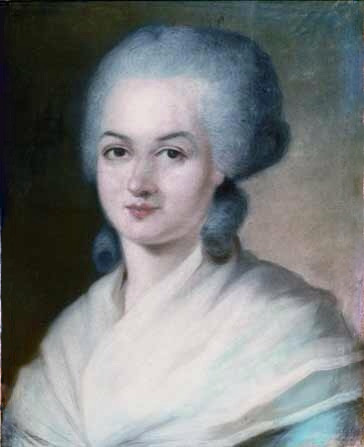
0 sources
Olympe de Gouges
Summary
Olympe de Gouges is a human[1]. Her place of birth was Montauban[2]. She was born on May 7, 1748[3]. She died in Paris[4]. She died on November 3, 1793[5]. She worked as a playwright[6], journalist[7], philosopher[8], writer[9], and politician[10]. She has Wikipedia articles in 26 language editions, a strong signal of global cultural recognition.[11]
Key Facts
- Olympe de Gouges's place of birth was Montauban[2].
- Olympe de Gouges died in Paris[4].
- Olympe de Gouges was born on May 7, 1748[3].
- Olympe de Gouges died on November 3, 1793[5].
- Among Olympe de Gouges's spouses was Louis-Yves Aubry[12].
- A child of Olympe de Gouges was Pierre Aubry de Gouges[13].
- Olympe de Gouges held citizenship in France[14].
- Occitan was Olympe de Gouges's native language[15].
- Olympe de Gouges's professions included playwright[6].
- Olympe de Gouges's professions included journalist[7].
- Olympe de Gouges's professions included philosopher[8].
- Olympe de Gouges's professions included writer[9].
- Olympe de Gouges's professions included politician[10].
- Olympe de Gouges worked as an author[16].
- Olympe de Gouges's field of work was abolitionism[17].
- Olympe de Gouges's field of work was feminism[18].
- A notable work attributed to Olympe de Gouges is Declaration of the Rights of Woman and the Female Citizen[19].
- A notable work attributed to Olympe de Gouges is Q25389160[20].
- Olympe de Gouges was a member of Society of the Friends of Truth[21].
- Olympe de Gouges's religion is recorded as deism[22].
- Olympe de Gouges is recorded as female[23].
- Olympe de Gouges's instance of is recorded as human[24].
- Olympe de Gouges was affiliated with the Girondists[25].
- Olympe de Gouges's Commons category is recorded as Olympe de Gouges[26].
- Olympe de Gouges's archives at is recorded as Atria Institute on gender equality and women's history[27].
Body
Origins and Family
Born in Montauban[2], Olympe de Gouges… she was born on May 7, 1748[3]. Occitan was her native language[15].
Career and Affiliations
Recorded occupations include playwright[6], journalist[7], philosopher[8], writer[9], politician[10], and author[16]. Fields of work include abolitionism[17], a social movement[28] and feminism[18], a Q1323572[29].
Works and Contributions
Notable works include Declaration of the Rights of Woman and the Female Citizen[19], a document[30] and Q25389160[20], a literary work[31].
Personal Life
Among Olympe de Gouges's spouses was Louis-Yves Aubry[12]. A child of her was Pierre Aubry de Gouges[13]. Her religion is recorded as deism[22]. She was affiliated with the Girondists[25].
Death and Burial
Olympe de Gouges died on November 3, 1793[5]. She died in Paris[4]. The cause of death was decapitation[32].
Why It Matters
Olympe de Gouges has Wikipedia articles in 26 language editions, a strong signal of global cultural recognition.[11] She is known by 31 alternative names across languages and contexts.[33]
Works attributed to her include Declaration of the Rights of Woman and the Female Citizen[34], a document[35].
FAQs
Where was Olympe de Gouges born?
Olympe de Gouges was born in Montauban[2].
Where did Olympe de Gouges die?
Olympe de Gouges passed away in Paris[4].
Who was Olympe de Gouges married to?
Olympe de Gouges's spouses include Louis-Yves Aubry[12].
What did Olympe de Gouges do for work?
Olympe de Gouges worked as playwright[6], journalist[7], philosopher[8], writer[9], and politician[10].