
Nurhaci
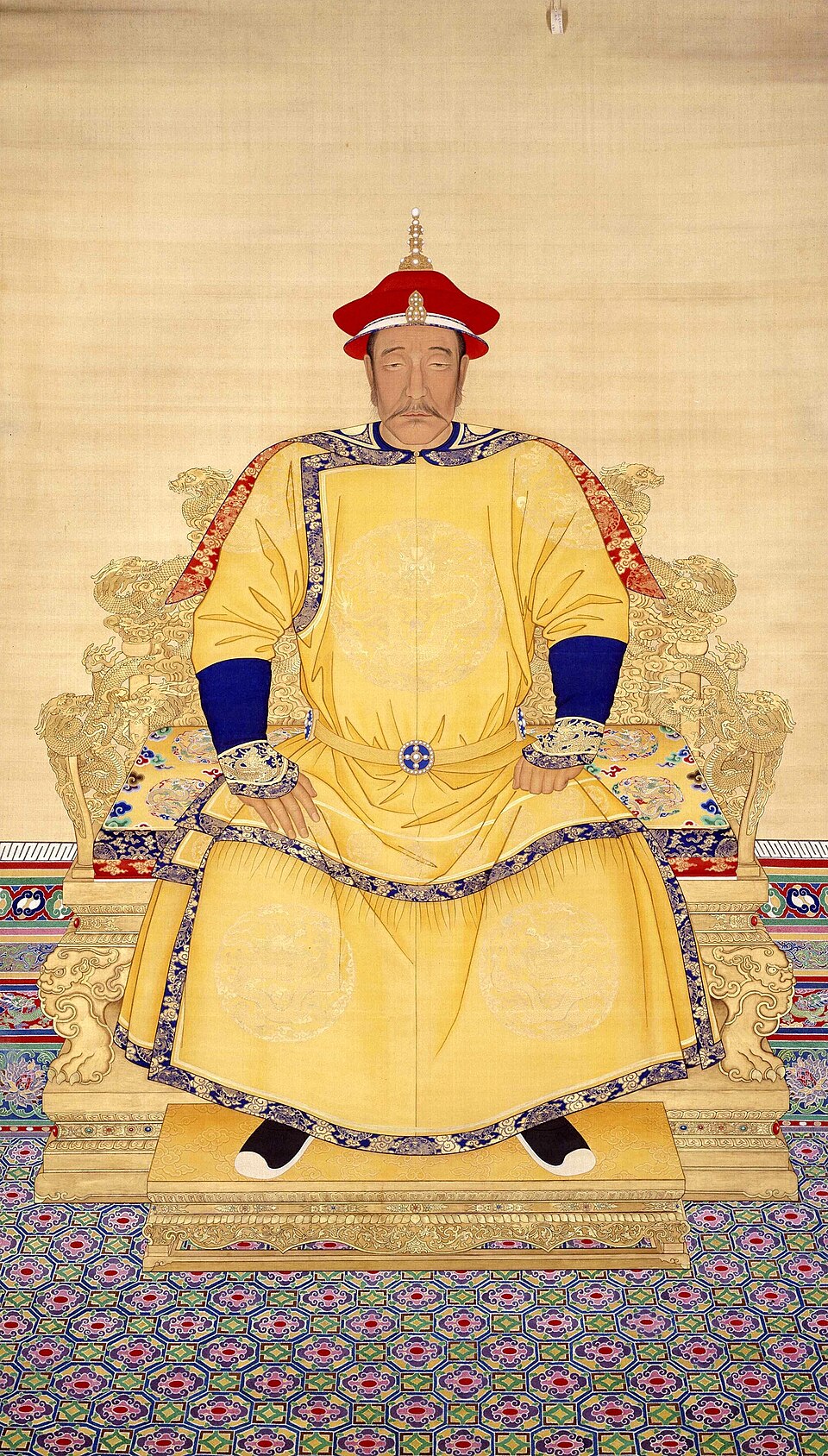
0 sources
Summary
Nurhaci was born on February 11, 1559[1], in Hetu Ala City[2]. He died on September 30, 1626[3], in Xingcheng[4]. He worked as a monarch[5]. He ranks in the top 0.66% of human entities by monthly Wikipedia readership (11,609 views/month, #6,571 of 1,000,298).[6]
Key Facts
- Date of birth: 1559[7]
- Place of burial: Fuling Tomb[8]
- Father: Taksi[9]
- Mother: Empress Xuan[10]
- Spouse: Consort Yuan, of the Tunggiya clan[11], Consort Ji, of the Fuca clan[12], Empress Xiaocigao[13], Empress Xiaoliewu[14], Dowager Consort Shoukang[15], Tháp Nhân Tra[16]
- Child: Cuyen[17], Daišan[18], abai[19], Tanggūdai[20], Manggūltai[21], Tabai[22], Abatai[23], Hong Taiji[24], Babutai[25], Degelei[26], Babuhai[27], Laimbu[28], Fiyanggū[29], Princess Donggo[30]
- Country of citizenship: Ming dynasty[31], Later Jin (1616-1636)[32], Qing dynasty[33]
- Ethnic group: Manchu[34]
- Position held: Emperor of China[35], khan[36]
- Sex or gender: male[37]
- Family: House of Aisin-Gioro[38]
- Commons category: Nurhaci[39]
- Cause of death: carbuncle[40]
- Family name: Aisin Gioro[41]
- Topic's main category: Category:Nurhaci[42]
- Described by source: Great Soviet Encyclopedia (1926–1947)[43], Eminent Chinese of the Ch'ing Period[44], Draft History of Qing[45]
- Military casualty classification: killed in action[46]
- Languages spoken, written or signed: Manchu[47]
- Birth name: ᠨᡠᡵᡤᠠᠴᡳ[48]
- Temple name: ᡨᠠᡳᡯᡠ[49], 太祖[50]
- Posthumous name: ᡩᡝᡵᡤᡳ ᡥᡡᠸᠠᠩᡩᡳ[51], 高皇帝[52], 承天廣運聖德神功肇紀立極仁孝睿武端毅欽安弘文定業高皇帝[53], 承天廣運聖德神功肇紀立極仁孝武皇帝[54]
Why It Matters
Nurhaci has Wikipedia articles in 28 language editions, a strong signal of global cultural recognition.[55] He is known by 99 alternative names across languages and contexts.[56]
Works attributed to him include Seven Grievances[57], a declaration of war[58], in Later Jin (1616-1636)[59].
FAQs
Where was Nurhaci born?
Nurhaci's place of birth was Hetu Ala City[2].
Where did Nurhaci die?
Nurhaci died in Xingcheng[4].
Who were Nurhaci's parents?
Nurhaci's father was Taksi[9]. Nurhaci's mother was Empress Xuan[10].
Who was Nurhaci married to?
Nurhaci's spouses include Consort Yuan, of the Tunggiya clan[11], Consort Ji, of the Fuca clan[12], Empress Xiaocigao[13], and Empress Xiaoliewu[14].
What did Nurhaci do for work?
Nurhaci worked as a monarch[5].