
Mayacaceae
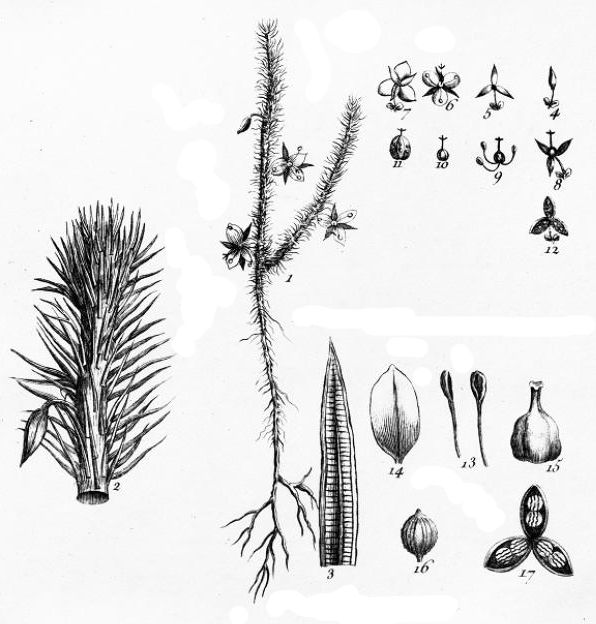
0 sources
Summary
Mayacaceae is a taxon[1]. Mayacaceae has Wikipedia articles in 8 language editions, a strong signal of global cultural recognition.[2]
Key Facts
- Mayacaceae's instance of is recorded as taxon[3].
- Mayacaceae is classified at the rank of family[4].
- Mayacaceae is classified within Commelinales[5].
- Mayacaceae belongs to the parent taxon Commelinids[6].
- Mayacaceae belongs to the parent taxon Enantioblastae[7].
- Mayacaceae belongs to the parent taxon Coronarieae[8].
- Mayacaceae is classified within Farinosae[9].
- Mayacaceae is classified within Xyridales[10].
- Mayacaceae is classified within Poales[11].
- Mayacaceae belongs to the parent taxon Xyridineae[12].
- Mayacaceae belongs to the parent taxon Eriocaulineae[13].
- Under binomial nomenclature, Mayacaceae is Mayacaceae[14].
- Mayacaceae's Commons category is recorded as Mayacaceae[15].
- The taxonomic type of Mayacaceae is Mayaca[16].
- Mayacaceae's topic's main category is recorded as Category:Mayacaceae[17].
- Mayacaceae's GRIN URL is recorded as https://npgsweb.ars-grin.gov/gringlobal/taxonomyfamily.aspx?id=696[18].
- Mayacaceae is commonly known as {'lang': 'ru', 'text': 'Майяковые'}[19].
- Mayacaceae is commonly known as {'lang': 'zh', 'text': '花水藓科'}[20].
Body
Classification
Mayacaceae's scientific name is Mayacaceae[14]. Mayacaceae is classified at the rank of family[4]. Recorded parent taxon include Commelinales[5], Commelinids[6], Enantioblastae[7], Coronarieae[8], Farinosae[9], and Xyridales[10]. The taxonomic type of Mayacaceae is Mayaca[16]. Recorded taxon common name include {'lang': 'ru', 'text': 'Майяковые'}[19] and {'lang': 'zh', 'text': '花水藓科'}[20].
Identifiers
Mayacaceae's iNaturalist taxon ID is recorded as 71563[21]. Mayacaceae's NCBI taxonomy ID is recorded as 75423[22]. Mayacaceae's Encyclopedia of Life ID is recorded as 5430[23]. Mayacaceae's GBIF taxon ID is recorded as 3744[24]. Mayacaceae's ITIS TSN is recorded as 39119[25].
Why It Matters
Mayacaceae has Wikipedia articles in 8 language editions, a strong signal of global cultural recognition.[2]