
Kazimir Malevich
0 sources
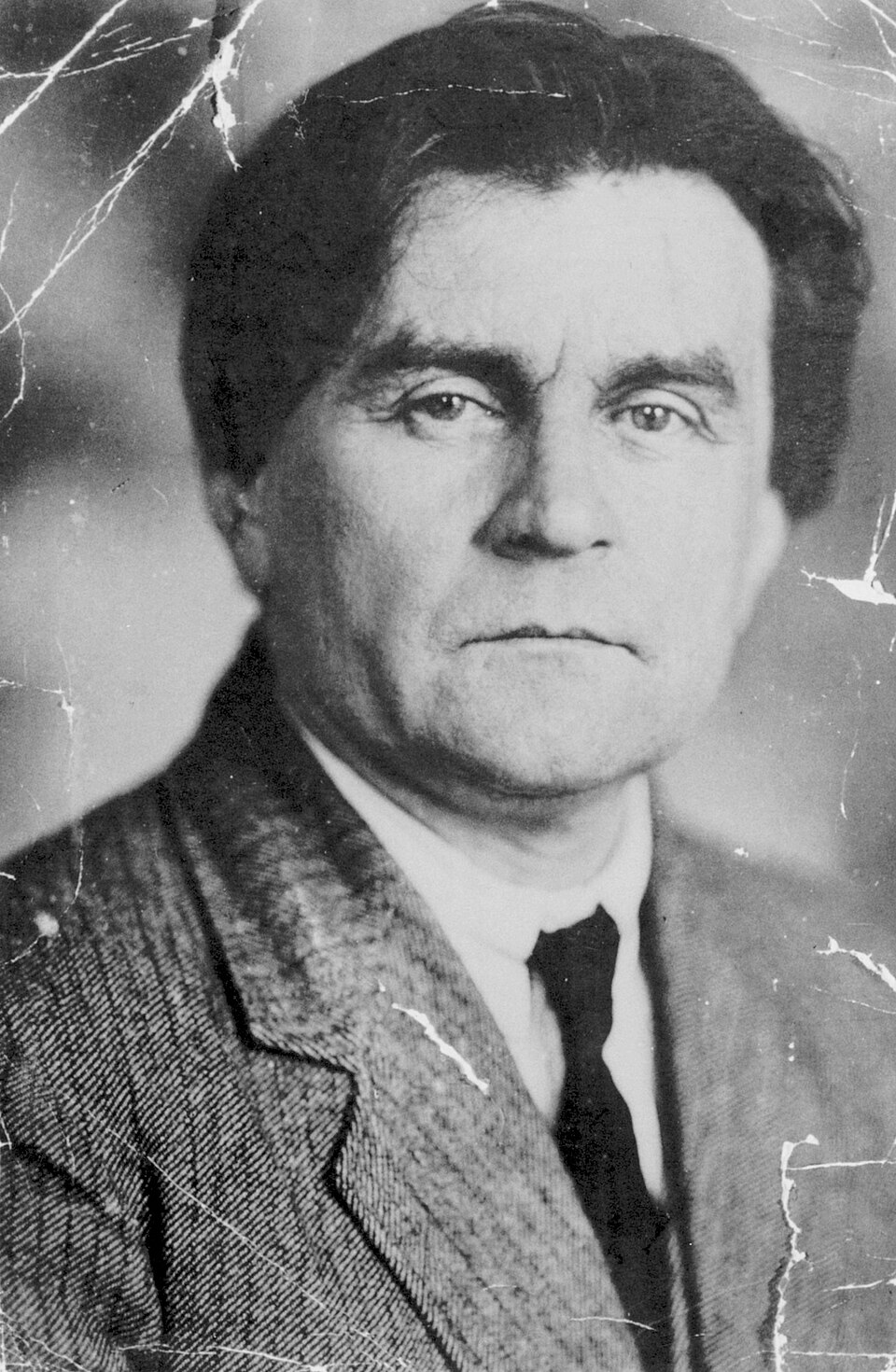
Kazimir Malevich was born on February 11, 1879, in Kyiv[1][2][3][4][5][6][7][8], and died on May 15, 1935, in Saint Petersburg[8][9][10][11][12][13][14][15][16][1][17][2][4][18][5]. He held citizenship in the Russian Empire and Soviet Union[19]. His professional occupations included painter, sculptor, printmaker, teacher, scenographer, and costume designer[4][20][5][8][21][22], and he also held the position of museum director[5].
He worked in the fields of avant-garde, visual art activity, art history, and Suprematism[23]. His associated movements were Suprematism, Russian avant-garde, and Constructivism. The genres he engaged with encompassed scenography, painting, abstract art, still life, and figurative art[7].
Key Facts
- Date of birth: February 11, 1879[11], February 23, 1879[12]
- Spouse: Kazimiera Zgleitc[13], Sofia Rafalovich[14]
- Country of citizenship: Russian Empire[15], Ukrainian Soviet Socialist Republic[16], Soviet Union[17]
- Native language: Polish[18], Ukrainian[19]
- Occupation: draftsperson[20], art theorist[21], designer[22], visual artist[23], art historian[24], pedagogue[25], graphic artist[26], watercolorist[27], theatre designer[28], ceramics designer[29], opinion journalist[30], artist[31]
- Field of work: avant-garde[32], visual art activity[33], art history[34], Suprematism[35], visual arts[36], abstract art[37]
- Position held: museum director[38]
- Employer: Vitebsk People's Art School[39]
- Notable work: Black Square (1915)[40], Suprematist Composition[41], Suprematist Composition: White on White[42], An Englishman in Moscow[43]
- Member of: Supremus[44]
- Sex or gender: male[45]
- Movement: Suprematism[46], Russian avant-garde[47], Constructivism[48]
- Genre: scenography[49], painting[50], abstract art[51], still life[52], figurative art[53]
- Commons category: Kazimir Malevich[54]
- Cause of death: prostate cancer[55]
- Family name: Malewicz[56], Malevich[57]
- Given name: Kazimir[58]
- Significant event: claim for restitution of an artwork[59]
Why It Matters
Kazimir Malevich has Wikipedia articles in 28 language editions, a strong signal of global cultural recognition.[60] He is known by 145 alternative names across languages and contexts.[61]
He has been cited as an influence by De Stijl[62], an art group[63], in Netherlands[64], founded in 1917[65], headquartered in Leiden[66]; Clyfford Still[67], a painter[68], 1904–1980[69], of United States[70], specialised in painting[71]; Art & Language[72], an art group[73], in United Kingdom[74], founded in 1968[75]; Ilya Chashnik[76], a painter[77], 1902–1929[78], of Russian Empire[79]; Diet Sayler[80], a painter[81], b. 1939[82], of Germany[83], specialised in visual arts[84]; and Contemplation of Money[85], a project[86], founded in 1997[87].
FAQs
Where was Kazimir Malevich born?
Kazimir Malevich's place of birth was Kyiv[2].
Where did Kazimir Malevich die?
Kazimir Malevich died in Saint Petersburg[4].
Who was Kazimir Malevich married to?
Kazimir Malevich's spouses include Kazimiera Zgleitc[13] and Sofia Rafalovich[14].
What did Kazimir Malevich do for work?
Kazimir Malevich worked as a painter[5], sculptor[6], printmaker[7], scenographer[8], and costume designer[9].
Who did Kazimir Malevich influence?
Kazimir Malevich has been cited as an influence by De Stijl[62], Clyfford Still[67], Art & Language[72], and Ilya Chashnik[76].