
Katsura Tarō
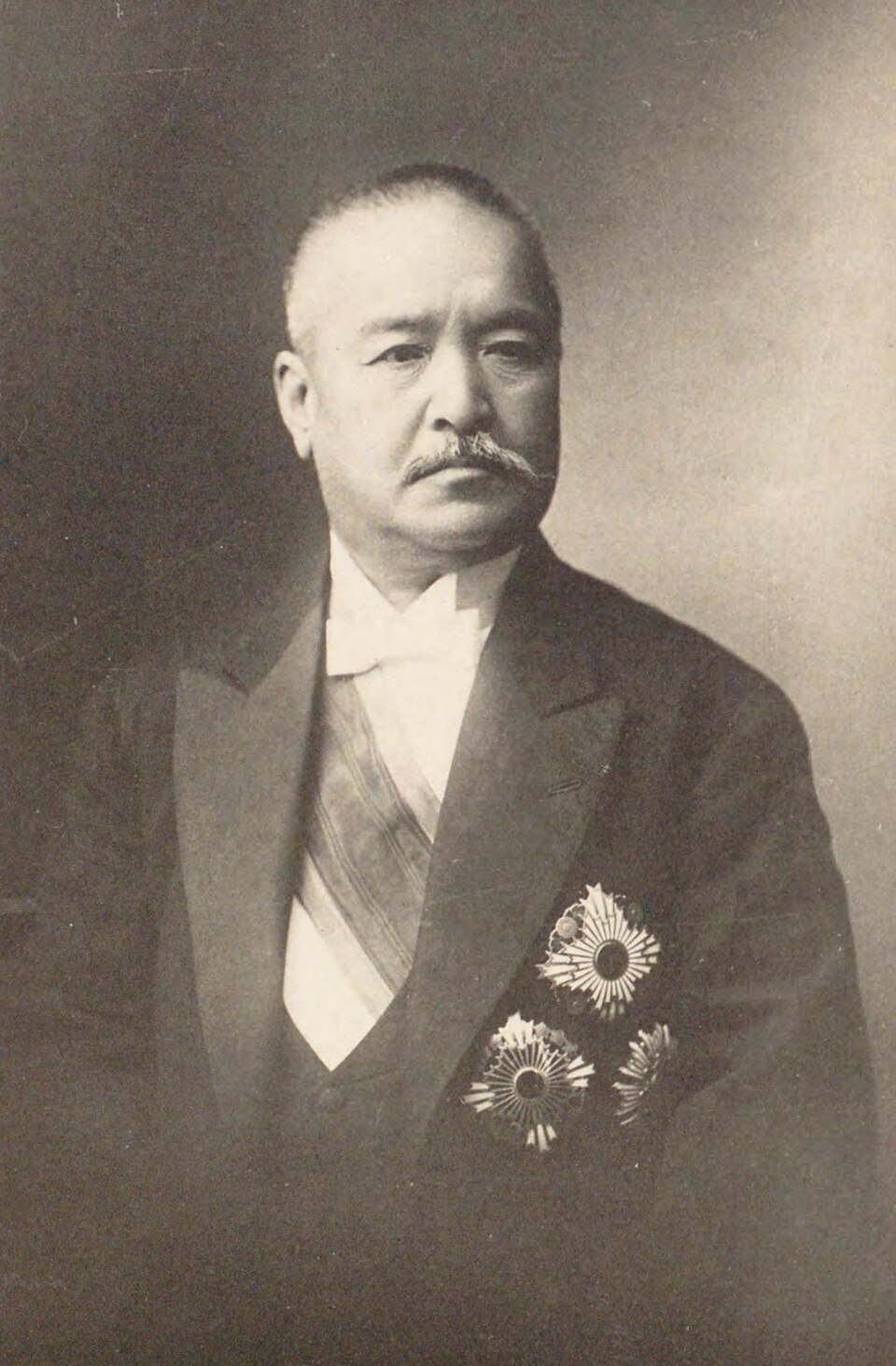
0 sources
Summary
Katsura Tarō was born on January 4, 1848[1], in Hagi[2]. He died on October 10, 1913[3], in Mita[4]. He worked as a politician[5] and military personnel[6]. He ranks in the top 0.72% of human entities by monthly Wikipedia readership (5,783 views/month, #7,175 of 1,000,298).[7]
Key Facts
- Child: Inoue Saburō[8]
- Country of citizenship: Japan[9]
- Position held: Governor-General of Taiwan[10], Prime Minister of Japan[11], member of the House of Peers[12], Lord Keeper of the Privy Seal of Japan[13], Minister of Finance[14], Minister of Home Affairs[15], Ministry of the Army[16], Minister of Education[17], Minister for Foreign Affairs[18]
- Employer: Takushoku University[19]
- Award received: Grand Officer of the Legion of Honour[20], Knight Grand Cross of the Order of the Bath[21], Knight Grand Cross of the Order of St Michael and St George[22], Order of the Black Eagle[23], Commander's Cross of the Order of Franz Joseph[24], Grand Cordon of the Supreme Order of the Chrysanthemum[25], Order of Saint Anna, 2nd class[26], Order of the White Eagle[27], Collar of the Supreme Order of the Chrysanthemum[28], Order of the Rising Sun with Paulownia Flowers, 1st class[29], Order of the Paulownia Flowers[30], Imperial Constitution Promulgation Medal[31], Crown Prince's Voyage to Korea Commemorative Medal[32], Order of the Sacred Treasure, 1st Class[33]
- Sex or gender: male[34]
- Family: Katsura clan[35]
- Noble title: duke[36]
- Member of political party: Rikken Dōshikai[37]
- Military branch: Imperial Japanese Army[38]
- Commons category: Katsura Tarō[39]
- Military, police or special rank: general[40]
- Unmarried partner: Okoi[41]
- Cause of death: stomach cancer[42]
- Participated in conflict: Boshin War[43], Second Chōshū expedition[44], First Sino-Japanese War[45]
- Family name: Katsura[46]
- Given name: Tarō[47]
- Topic's main category: Category:Katsura Tarō[48]
- Relative: Kōtarō Katsura[49], Nagashima Ryūji[50], Naoyoshi Amaoka[51], Bunkichi Itō[52], Eizō Nagasaki[53]
- Manner of death: natural causes[54]
- Described by source: Nordisk familjebok[55], Great Soviet Encyclopedia (1926–1947)[56], Small Brockhaus and Efron Encyclopedic Dictionary[57], Brockhaus and Efron Encyclopedic Dictionary[58]
- Languages spoken, written or signed: Japanese[59]
- Name in native language: 桂太郎[60]
- Name in kana: かつら たろう[61]
Body
Works and Contributions
Things named for Katsura Tarō include Taft–Katsura Agreement[62], an agreement[63].
Why It Matters
Katsura Tarō has Wikipedia articles in 26 language editions, a strong signal of global cultural recognition.[64] He is known by 52 alternative names across languages and contexts.[65]
Entities named for him include Taft–Katsura Agreement[62], an agreement[63].
FAQs
Where was Katsura Tarō born?
Katsura Tarō was born in Hagi[2].
Where did Katsura Tarō die?
Katsura Tarō passed away in Mita[4].
What did Katsura Tarō do for work?
Katsura Tarō worked as a politician[5] and military personnel[6].
What awards did Katsura Tarō receive?
Honors received include Grand Officer of the Legion of Honour[20], Knight Grand Cross of the Order of the Bath[21], Knight Grand Cross of the Order of St Michael and St George[22], and Order of the Black Eagle[23].