
Karl May
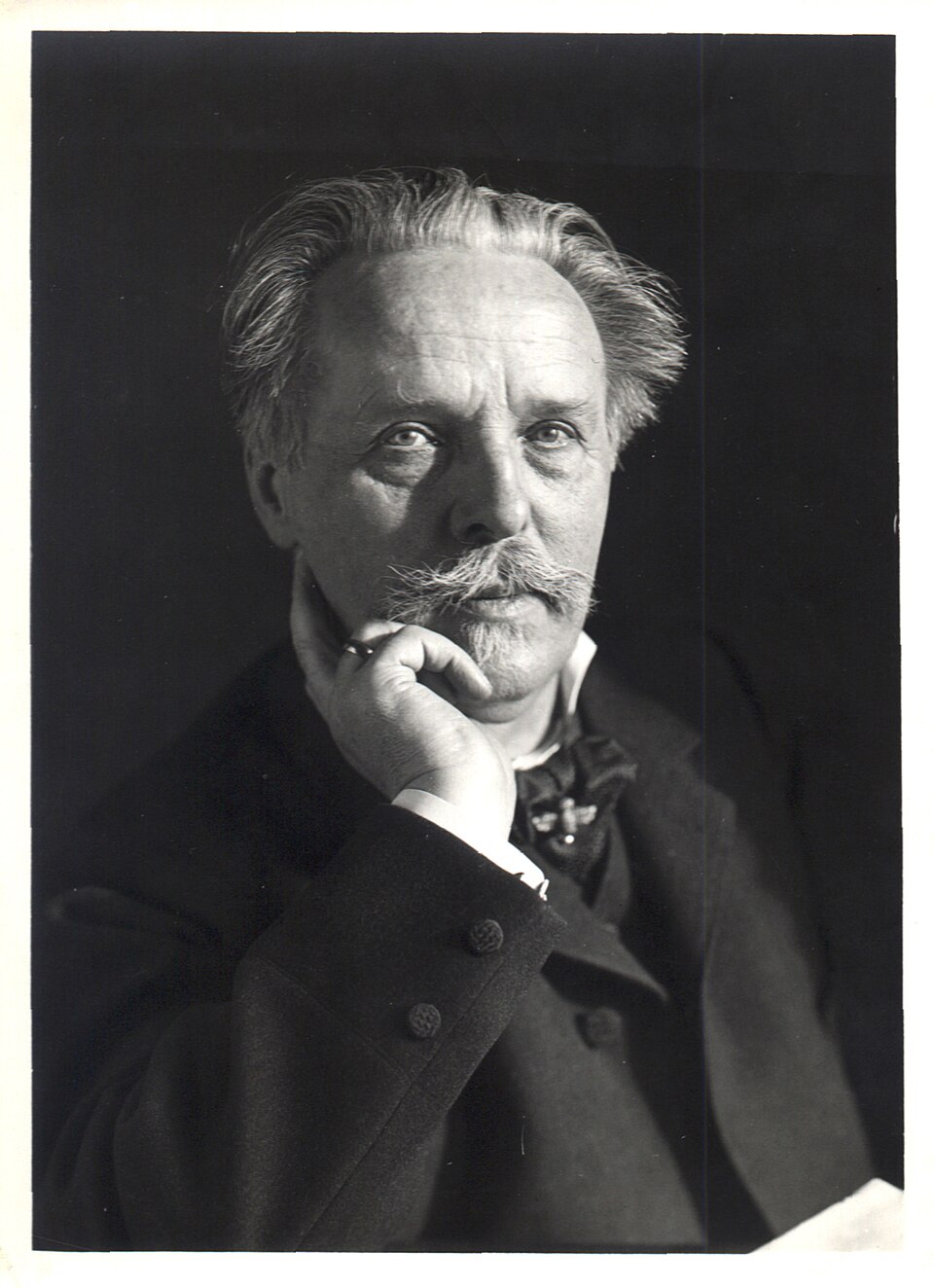
0 sources
Karl May was born on February 25, 1842, in Hohenstein-Ernstthal [1][2][3][4][5][6][7][8][9][10][11][12][13][14] and died on March 30, 1912, in Radebeul [1][2][3][4][5][6][7][8][9][15][10][11][12][13][14]. He held citizenship in the Kingdom of Saxony and worked as a novelist, children's writer, screenwriter, composer, and writer [1][13]. His primary genre was the pop novel .
He was married to Emma Lina Pollmer and Klara May . May's professional output spanned multiple literary and artistic fields, though he is primarily recognized for his novels [1][13]. His works were written within the pop novel genre , and he maintained ties to the Kingdom of Saxony throughout his life . He lived in Radebeul until his death in 1912 [1][2][3][4][5][6][7][8][9][15][10][11][12][13][14].
Key Facts
- Place of burial: Karl-May-Grab (Radebeul)[11]
- Spouse: Emma Lina Pollmer[12], Klara May[13]
- Country of citizenship: Kingdom of Saxony[14]
- Native language: German[15]
- Occupation: Western author[16], poet[17]
- Notable work: Winnetou[18]
- Sex or gender: male[19]
- Genre: pop novel[20]
- Commons category: Karl May[21]
- Said to be the same as: Kara Ben Nemsi[22], Old Shatterhand[23]
- Archives at: Karl May Museum Radebeul[24]
- Family name: May[25]
- Given name: Karl[26]
- Topic's main category: Category:Karl May[27]
- Commons gallery: Karl May[28]
- Work location: Radebeul[29], Dresden[30]
- Described by source: Iedereen Leest[31], Lexicon van de jeugdliteratuur[32], Dresdner Hefte[33]
- Languages spoken, written or signed: German[34]
- Topic has template: Template:Works by Karl May[35], Template:Karl May[36]
- Commons Creator page: Karl May[37]
- Birth name: Karl Friedrich May[38]
Body
Works and Contributions
Things named for Karl May include Karl May Museum Radebeul[39].
Why It Matters
Karl May has Wikipedia articles in 23 language editions, a strong signal of global cultural recognition.[40] He is known by 74 alternative names across languages and contexts.[41]
He has been cited as an influence by Ernst Bloch[42], a philosopher[43], 1885–1977[44], of Germany[45], awarded the National Prize of East Germany[46], specialised in philosophy[47].
Works attributed to him include he film adaptations[48]; Der Schatz im Silbersee[49], a literary work[50]; The Oil Prince[51], a literary work[52]; Black Mustang[53], a literary work[54]; The Son of the Bear Hunter[55], a literary work[56]; and Winnetou[57], a literary tetralogy[58]. Entities named for him include Karl May Museum Radebeul[39].
FAQs
Where was Karl May born?
Karl May was born in Ernstthal[2].
Where did Karl May die?
Karl May passed away in Radebeul[4].
Who was Karl May married to?
Karl May's spouses include Emma Lina Pollmer[12] and Klara May[13].
What did Karl May do for work?
Karl May worked as a novelist[5], children's writer[6], screenwriter[7], composer[8], and writer[9].
Who did Karl May influence?
Karl May has been cited as an influence by Ernst Bloch[42].