
I Ching
ancient Chinese text used for divination
Press Enter · cited answer in seconds
0 sources
Summary
I Ching is a literary work[1]. It ranks in the top 0.4% of literary work entities by monthly Wikipedia readership (21,907 views/month, #114 of 28,446).[2]
Key Facts
- Author: Fuxi[3]
- Creator: Fuxi[4]
- Instance of: divination[5]
- Genre: divination[6], cosmology[7]
- Part of: Five Classics[8], Three Books of Changes[9], Chinese classics[10]
- Has use: I Ching divination[11]
- Commons category: I Ching[12]
- Language of work or name: Old Chinese[13]
- Country of origin: Zhou dynasty[14]
- Has edition or translation: Q76730987[15]
- Topic's main category: Category:I Ching[16]
- Main subject: divination[17], philosophy[18]
- Commons gallery: 易經[19]
- Earliest date: 1000 BC[20]
- Described by source: Gujin Tushu Jicheng[21], Records of the Grand Historian[22]
- Title: 易經[23], 周易[24]
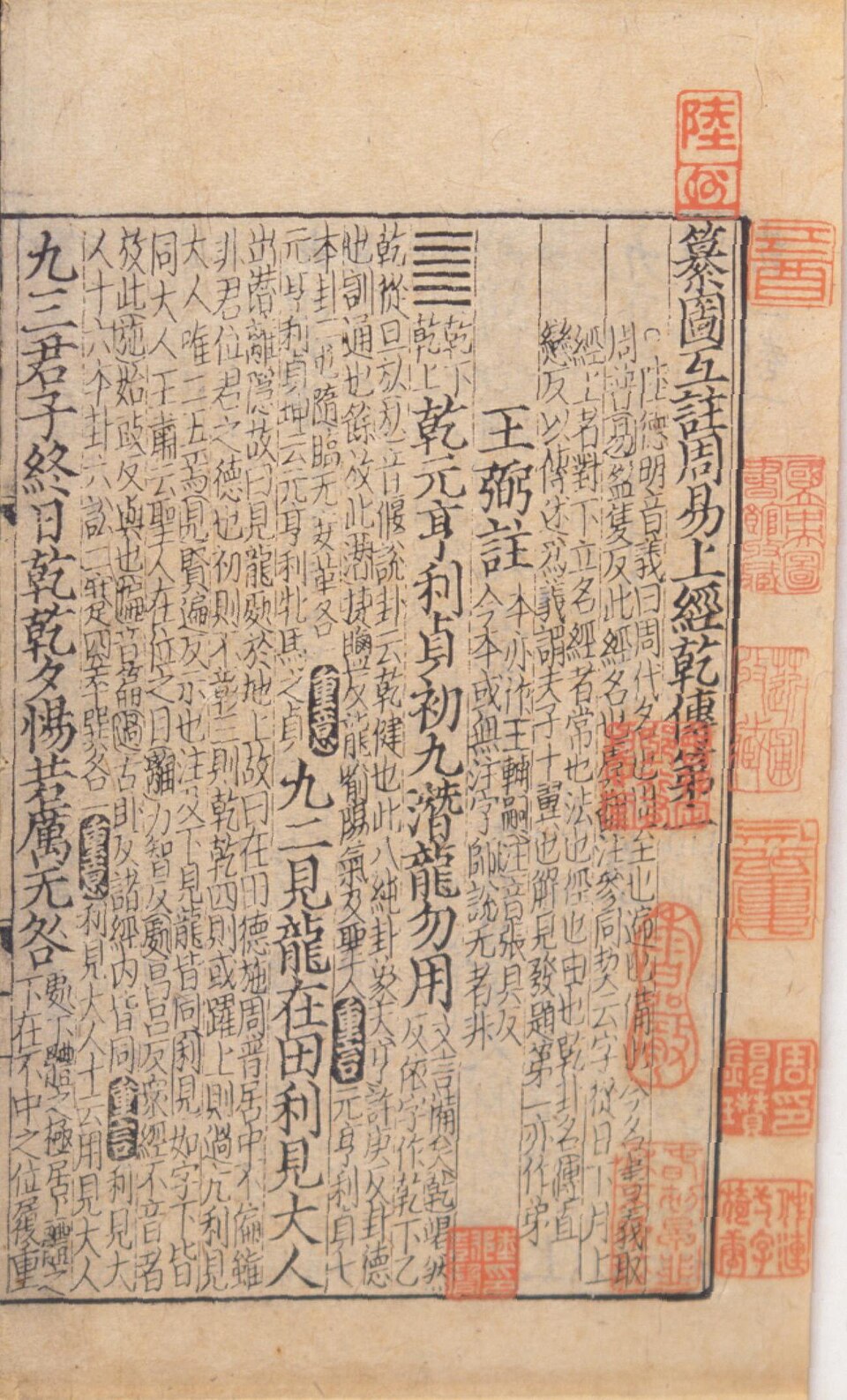
- First line: 乾 ䷀ 元亨利貞[25]
- Studied by: I Ching studies[26]
- Derivative work: Ten Wings[27]
- On focus list of Wikimedia project: Wikipedia:Vital articles/Level/4[28]
- Copyright status: public domain[29]
Body
Cultural Impact
Things named for I Ching include Meiji era[30], a Japanese era name[31], in Japan[32] and Yijing Hexagram Symbols[33], an Unicode block[34].
Why It Matters
I Ching has Wikipedia articles in 30 language editions, a strong signal of global cultural recognition.[35] It is known by 166 alternative names across languages and contexts.[36]
Entities named for it include Meiji era[30], a Japanese era name[31], in Japan[32] and Yijing Hexagram Symbols[33], an Unicode block[34].