
Gunnar Heiberg
0 sources
Summary
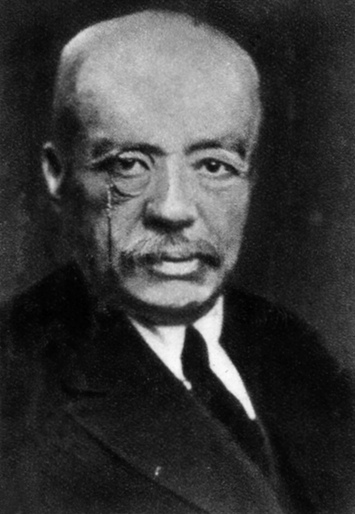
Gunnar Heiberg was born on November 18, 1857[1], in Oslo[2]. He died on February 22, 1929[3], in Oslo[4]. He worked as a journalist[5], poet[6], writer[7], playwright[8], and literary critic[9]. He ranks in the top 0.73% of human entities by monthly Wikipedia readership (59 views/month, #7,294 of 1,000,298).[10]
Key Facts
- Place of burial: Vestre gravlund[11]
- Father: Edvard Omsen Heiberg[12]
- Spouse: Didi Heiberg[13]
- Country of citizenship: Norway[14]
- Occupation: theatre critic[15], theatrical director[16], essayist[17]
- Field of work: drama[18], poetry[19], theatre criticism[20], directing[21], theatre art[22]
- Notable work: Tante Ulrikke[23]
- Sex or gender: male[24]
- Commons category: Gunnar Heiberg[25]
- Family name: Heiberg[26]
- Given name: Gunnar[27]
- Topic's main category: Category:Gunnar Heiberg[28]
- Commons gallery: Gunnar Heiberg[29]
- Depicted by: Gunnar Heiberg[30], Gunnar Heiberg, the Author[31], Portrait of the Author Gunnar Heiberg[32], Christian Sinding, Gunnar Heiberg and Knut Hamsun[33], Reading aloud in the studio[34]
- Described by source: Great Soviet Encyclopedia (1926–1947)[35]
- Nominated for: Nobel Prize in Literature[36]
- Languages spoken, written or signed: Norwegian[37], Danish[38]
- Commons Creator page: Gunnar Heiberg[39]
- Start of work period: 1884[40]
- Sibling: Jacob Vilhelm Rode Heiberg[41], Inge Heiberg[42], Anton Heiberg[43]
Why It Matters
Gunnar Heiberg has Wikipedia articles in 16 language editions, a strong signal of global cultural recognition.[44] He is known by 17 alternative names across languages and contexts.[45]
FAQs
Where was Gunnar Heiberg born?
Gunnar Heiberg's place of birth was Oslo[2].
Where did Gunnar Heiberg die?
Gunnar Heiberg passed away in Oslo[4].
Who were Gunnar Heiberg's parents?
Gunnar Heiberg's father was Edvard Omsen Heiberg[12].
Who was Gunnar Heiberg married to?
Gunnar Heiberg's spouses include Didi Heiberg[13].
What did Gunnar Heiberg do for work?
Gunnar Heiberg worked as a journalist[5], poet[6], writer[7], playwright[8], and literary critic[9].