
Glaucus
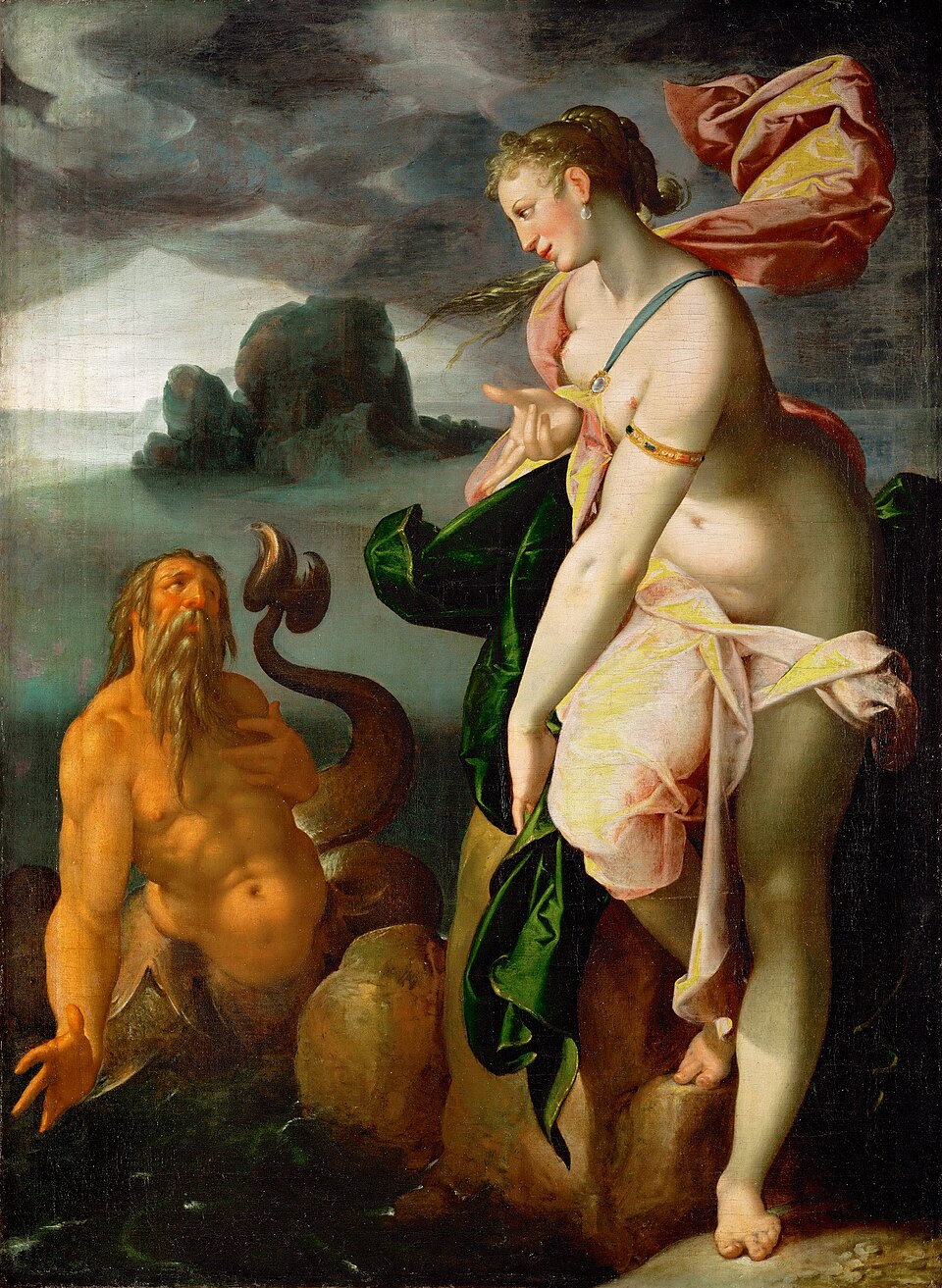
0 sources
Glaucus
Summary
Glaucus is a Greek water deities[1]. He draws 4,887 Wikipedia views per month (greek_water_deities category, ranking #10 of 21).[2]
Key Facts
- Glaucus's father was Polybus of Sicyon[3].
- Glaucus's father was Anthedon[4].
- Glaucus's father was Poseidon[5].
- Glaucus's mother was Euboea[6].
- Glaucus's mother was Alcyone[7].
- A child of Glaucus was Deiphobe[8].
- Glaucus is recorded as male[9].
- Glaucus's instance of is recorded as Greek water deities[10].
- Glaucus's Commons category is recorded as Glaucus (sea-god)[11].
- Glaucus's given name is recorded as Glafcos[12].
- Glaucus's relative is recorded as Glaucus of Carystus[13].
- Glaucus's described by source is recorded as Russian translation of Lübker's Antiquity Lexicon[14].
- Glaucus's described by source is recorded as Brockhaus and Efron Encyclopedic Dictionary[15].
- Glaucus's described by source is recorded as Encyclopædia Britannica 11th edition[16].
- Glaucus's described by source is recorded as Pauly–Wissowa[17].
- Glaucus's name in native language is recorded as {'lang': 'grc', 'text': 'Γλαῦκος'}[18].
- Glaucus's different from is recorded as Glaucon[19].
Body
Origins and Family
Fathers listed include Polybus of Sicyon[3], a mythological Greek character[20]; Anthedon[4], a mythological Greek character[21]; and Poseidon[5], a water deity[22]. Mothers listed include Euboea[6], a mythological Greek character[23] and Alcyone[7], a Greek nymph[24].
Personal Life
A child of Glaucus was Deiphobe[8].
Works and Contributions
Things named for Glaucus include he[25], a monotypic taxon[26].
Why It Matters
Glaucus draws 4,887 Wikipedia views per month (greek_water_deities category, ranking #10 of 21).[2] He has Wikipedia articles in 18 language editions, a strong signal of global cultural recognition.[27] He is known by 4 alternative names across languages and contexts.[28]
Entities named for him include he[25], a monotypic taxon[26].
FAQs
Who were Glaucus's parents?
Glaucus's father was Polybus of Sicyon[3]. Glaucus's mother was Euboea[6].