
Ganghwa Island
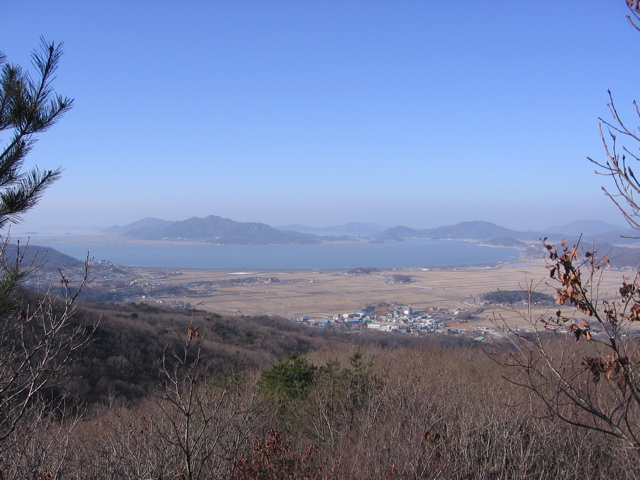
0 sources
Summary
Ganghwa Island is an island[1]. It ranks in the top 4% of island entities by monthly Wikipedia readership (541 views/month).[2]
Key Facts
- Ganghwa Island is located in Ganghwa County[3].
- Ganghwa Island is in the country of South Korea[4].
- Ganghwa Island is on the body of water Yellow Sea[5].
- Ganghwa Island's instance of is recorded as island[6].
- Ganghwa Island's instance of is recorded as human settlement[7].
- Ganghwa Island is part of Gyeonggi Province[8].
- Ganghwa Island's Commons category is recorded as Ganghwa Island[9].
- Ganghwa Island's highest point is recorded as Manisan[10].
- Ganghwa Island's coordinate location is recorded as {'lat': 37.71, 'lon': 126.44}[11].
- Ganghwa Island has a population of {'amount': '+62021'}[12].
- Ganghwa Island's capital of is recorded as Goryeo[13].
- Ganghwa Island's McCune–Reischauer romanization is recorded as Kanghwado[14].
- Ganghwa Island's Revised Romanization is recorded as Ganghwado[15].
- Ganghwa Island's length is recorded as {'unit': 'kilometre', 'amount': '+27.2'}[16].
- Ganghwa Island covers an area of {'unit': 'square kilometre', 'amount': '+302.4'}[17].
- Ganghwa Island's width is recorded as {'unit': 'kilometre', 'amount': '+15.7'}[18].
Body
Geography
Ganghwa Island is in the country of South Korea[4]. It is located in Ganghwa County[3]. It is on the body of water Yellow Sea[5]. It is part of Gyeonggi Province[8].
Physical Characteristics
Ganghwa Island covers an area of {'unit': 'square kilometre', 'amount': '+302.4'}[17]. Its length is recorded as {'unit': 'kilometre', 'amount': '+27.2'}[16]. It has a population of {'amount': '+62021'}[12].
Designation and Status
Recorded instance of include island[6] and human settlement[7].
Cultural Significance
Things named for Ganghwa Island include Japan–Korea Treaty of 1876[19], an unequal treaties[20].
Why It Matters
Ganghwa Island ranks in the top 4% of island entities by monthly Wikipedia readership (541 views/month).[2] It has Wikipedia articles in 26 language editions, a strong signal of global cultural recognition.[21] It is known by 28 alternative names across languages and contexts.[22]
Entities named for it include Japan–Korea Treaty of 1876[19], an unequal treaties[20].