
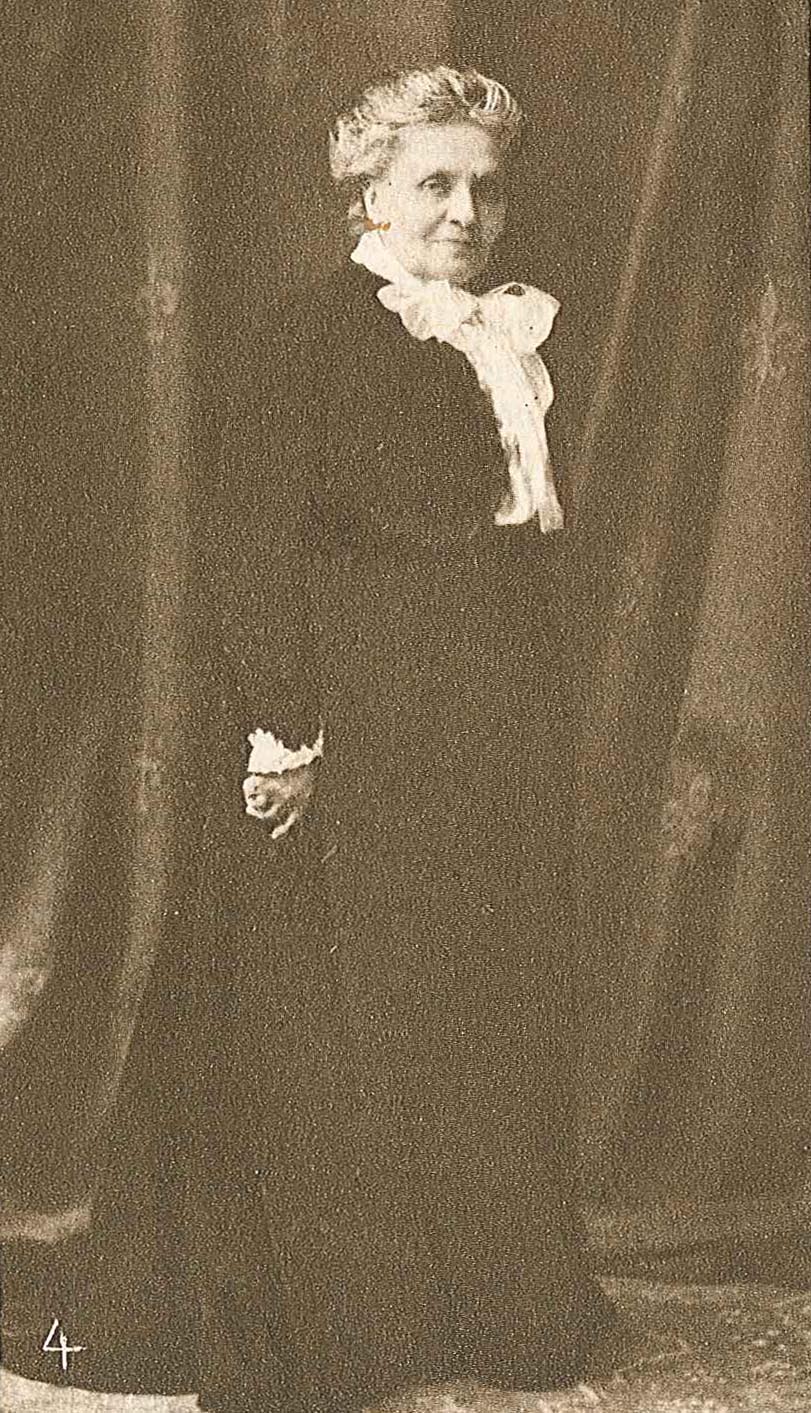
Elfrida Andrée
0 sources
Summary
Elfrida Andrée is a human[1]. Born in Visby parish[2], she… she was born on February 19, 1841[3]. She died in Vasa parish[4]. She died on January 11, 1929[5]. She worked as a conductor[6], composer[7], organist[8], and women's rights activist[9]. She has Wikipedia articles in 12 language editions, a strong signal of global cultural recognition.[10]
Key Facts
- Elfrida Andrée was born in Visby parish[2].
- Elfrida Andrée died in Vasa parish[4].
- Elfrida Andrée was born on February 19, 1841[3].
- Elfrida Andrée died on January 11, 1929[5].
- Elfrida Andrée died on January 1, 1929[11].
- Elfrida Andrée is buried at Norra begravningsplatsen[12].
- Elfrida Andrée's father was Andreas Andrée[13].
- Elfrida Andrée held citizenship in Sweden[14].
- Elfrida Andrée worked as a conductor[6].
- Elfrida Andrée's professions included composer[7].
- Elfrida Andrée worked as an organist[8].
- Elfrida Andrée worked as a women's rights activist[9].
- Elfrida Andrée was educated at Royal College of Music in Stockholm[15].
- A notable student of Elfrida Andrée was Sara Wennerberg-Reuter[16].
- Elfrida Andrée received the Idunprize[17].
- Elfrida Andrée was a member of Royal Swedish Academy of Music[18].
- Elfrida Andrée is recorded as female[19].
- Elfrida Andrée's instance of is recorded as human[20].
- Elfrida Andrée's genre is opera[21].
- Elfrida Andrée's genre is organ repertoire[22].
- Elfrida Andrée's Commons category is recorded as Elfrida Andrée[23].
- Elfrida Andrée's archives at is recorded as Regional Archives in Visby[24].
- Elfrida Andrée's residence is recorded as house of Cramér[25].
- Elfrida Andrée's family name is recorded as Andrée[26].
- Elfrida Andrée's given name is recorded as Elfrida[27].
Body
Origins and Family
Elfrida Andrée was born in Visby parish[2]. She was born on February 19, 1841[3]. Her father was Andreas Andrée[13].
Education
Elfrida Andrée was educated at Royal College of Music in Stockholm[15]. Studied under Ludvig Norman[28], a pianist[29], 1831–1885[30], of Sweden[31], specialised in music[32]; Gustaf Mankell[33], a composer[34], 1812–1880[35], of Sweden[36]; Johan van Boom[37], a composer[38], 1807–1872[39], of Sweden[40]; and Ebba d'Aubert[41], a pianist[42], 1813–1860[43], of Sweden[44].
Career and Affiliations
Recorded occupations include conductor[6], composer[7], organist[8], and women's rights activist[9]. A notable student of Elfrida Andrée was Sara Wennerberg-Reuter[16].
Recognition
Elfrida Andrée received the Idunprize[17].
Death and Burial
Recorded date of death include January 11, 1929[5] and January 1, 1929[11]. Elfrida Andrée died in Vasa parish[4]. Burial took place at Norra begravningsplatsen[12].
Why It Matters
Elfrida Andrée has Wikipedia articles in 12 language editions, a strong signal of global cultural recognition.[10] She is known by 9 alternative names across languages and contexts.[45]
FAQs
Where was Elfrida Andrée born?
Elfrida Andrée's place of birth was Visby parish[2].
Where did Elfrida Andrée die?
Elfrida Andrée died in Vasa parish[4].
Who were Elfrida Andrée's parents?
Elfrida Andrée's father was Andreas Andrée[13].
What did Elfrida Andrée do for work?
Elfrida Andrée worked as conductor[6], composer[7], organist[8], and women's rights activist[9].
Where did Elfrida Andrée go to school?
Elfrida Andrée was educated at Royal College of Music in Stockholm[15].
What awards did Elfrida Andrée receive?
Honors received include Idunprize[17].