
Dyatlov Pass incident
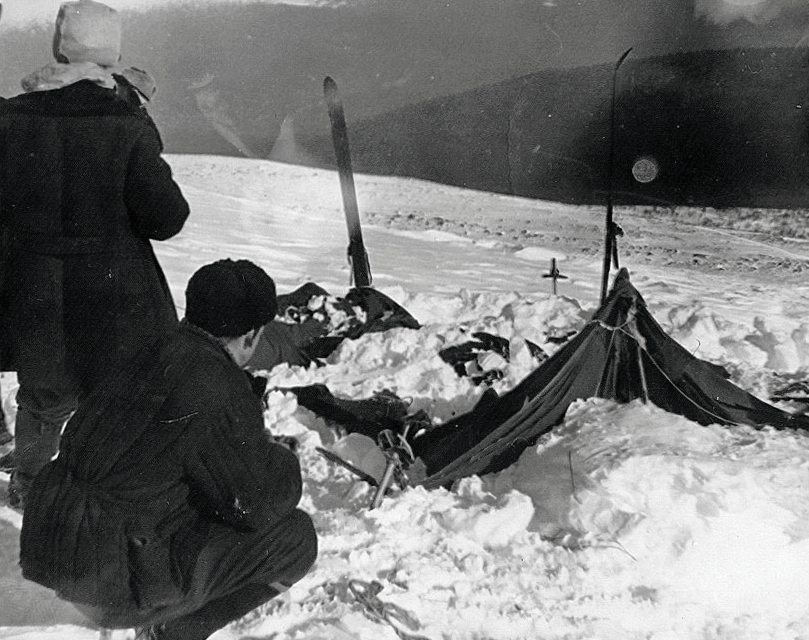
unsolved deaths of nine ski hikers in the northern Ural Mountains in the Soviet Union (now Russia) between 1 February and 2 February 1959
Press Enter · cited answer in seconds
0 sources
Summary
Dyatlov Pass incident is an incident[1]. It ranks in the top 0.89% of incident entities by monthly Wikipedia readership (48,763 views/month, #1 of 113).[2]
Key Facts
- Country: Soviet Union[3]
- Instance of: accident[4]
- Named after: Dyatlov Pass[5], Igor Dyatlov[6]
- Location: North Urals[7], Dyatlov Pass[8]
- Commons category: Dyatlov Pass incident[9]
- Point in time: February 2, 1959[10]
- Described at URL: https://www.nytimes.com/2021/02/25/world/europe/russia-dyatlov-pass-avalanche.html[11]
- Number of deaths: 9[12]
- Number of injured: 0[13]
- Number of survivors: 0[14]
- Different from: Devil's Pass[15]
- Victim(s): Igor Dyatlov[16]
Why It Matters
Dyatlov Pass incident has Wikipedia articles in 27 language editions, a strong signal of global cultural recognition.[17] It is known by 34 alternative names across languages and contexts.[18]