
Coluccio Salutati
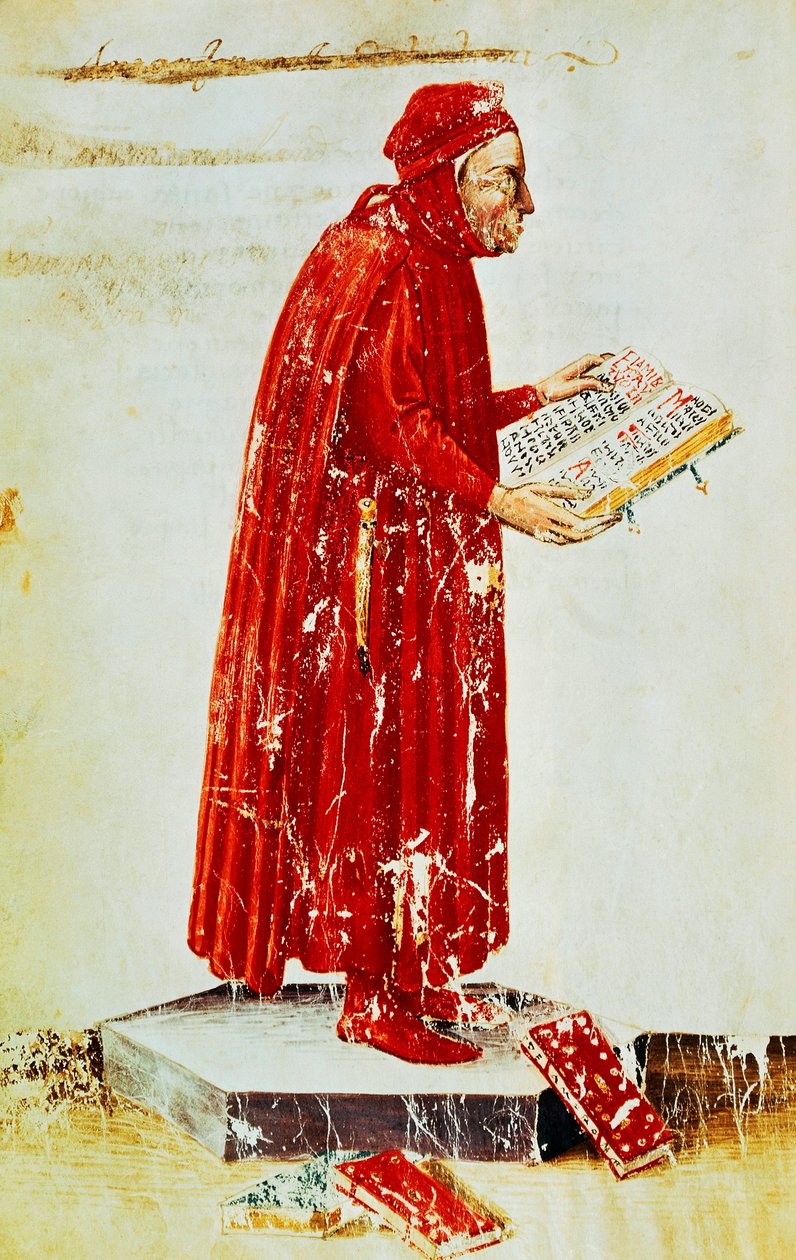
0 sources
Coluccio Salutati
Summary
Coluccio Salutati is a human[1]. His place of birth was Stignano[2]. He was born on February 16, 1331[3]. He died in Florence[4]. He died on May 4, 1406[5]. He worked as a politician[6], writer[7], and philosopher[8]. He has Wikipedia articles in 20 language editions, a strong signal of global cultural recognition.[9]
Key Facts
- Born in Stignano[2], Coluccio Salutati…
- Coluccio Salutati died in Florence[4].
- Coluccio Salutati was born on February 16, 1331[3].
- Coluccio Salutati was born on February 16, 1332[10].
- Coluccio Salutati died on May 4, 1406[5].
- medieval Italian was Coluccio Salutati's native language[11].
- Coluccio Salutati's professions included politician[6].
- Coluccio Salutati's professions included writer[7].
- Coluccio Salutati's professions included philosopher[8].
- Coluccio Salutati's field of work was philosophy[12].
- Coluccio Salutati's education included a stint at University of Bologna[13].
- A notable student of Coluccio Salutati was Leonardo Bruni[14].
- A notable student of Coluccio Salutati was Pier Paolo Vergerio the Elder[15].
- A notable work attributed to Coluccio Salutati is Epistolario[16].
- A notable work attributed to Coluccio Salutati is De nobilitate legum et medicine[17].
- A notable work attributed to Coluccio Salutati is Carmen de morte Francisci Petrarce[18].
- A notable work attributed to Coluccio Salutati is Invectiva ad Antonium Luschum[19].
- A notable work attributed to Coluccio Salutati is De Tyranno[20].
- A notable work attributed to Coluccio Salutati is De fato et fortuna[21].
- Coluccio Salutati is recorded as male[22].
- Coluccio Salutati's instance of is recorded as human[23].
- Coluccio Salutati is associated with the renaissance humanism movement[24].
- Coluccio Salutati's Commons category is recorded as Coluccio Salutati[25].
- Coluccio Salutati studied under Manuel Chrysoloras[26].
- Coluccio Salutati studied under Pietro da Moglio[27].
Body
Origins and Family
Born in Stignano[2], Coluccio Salutati… Recorded date of birth include February 16, 1331[3] and February 16, 1332[10]. medieval Italian was his native language[11].
Education
Coluccio Salutati's education included a stint at University of Bologna[13]. Studied under Manuel Chrysoloras[26], a philosopher[28], 1350–1415[29], of Byzantine Empire[30] and Pietro da Moglio[27], a writer[31], 1313–1383[32].
Career and Affiliations
Recorded occupations include politician[6], writer[7], and philosopher[8]. Coluccio Salutati's field of work was philosophy[12]. Notable students include Leonardo Bruni[14], a philosopher[33], 1369–1444[34], of Republic of Florence[35], specialised in humanism[36] and Pier Paolo Vergerio the Elder[15], a statesperson[37], 1370–1444[38], of Holy Roman Empire[39].
Works and Contributions
Notable works include Epistolario[16], De nobilitate legum et medicine[17], Carmen de morte Francisci Petrarce[18], Invectiva ad Antonium Luschum[19], De Tyranno[20], and De fato et fortuna[21].
Death and Burial
Coluccio Salutati died on May 4, 1406[5]. He died in Florence[4].
Why It Matters
Coluccio Salutati has Wikipedia articles in 20 language editions, a strong signal of global cultural recognition.[9] He is known by 6 alternative names across languages and contexts.[40]
FAQs
Where was Coluccio Salutati born?
Born in Stignano[2], Coluccio Salutati…
Where did Coluccio Salutati die?
Coluccio Salutati passed away in Florence[4].
What did Coluccio Salutati do for work?
Coluccio Salutati worked as politician[6], writer[7], and philosopher[8].
Where did Coluccio Salutati go to school?
Coluccio Salutati was educated at University of Bologna[13].