
Calouste Gulbenkian
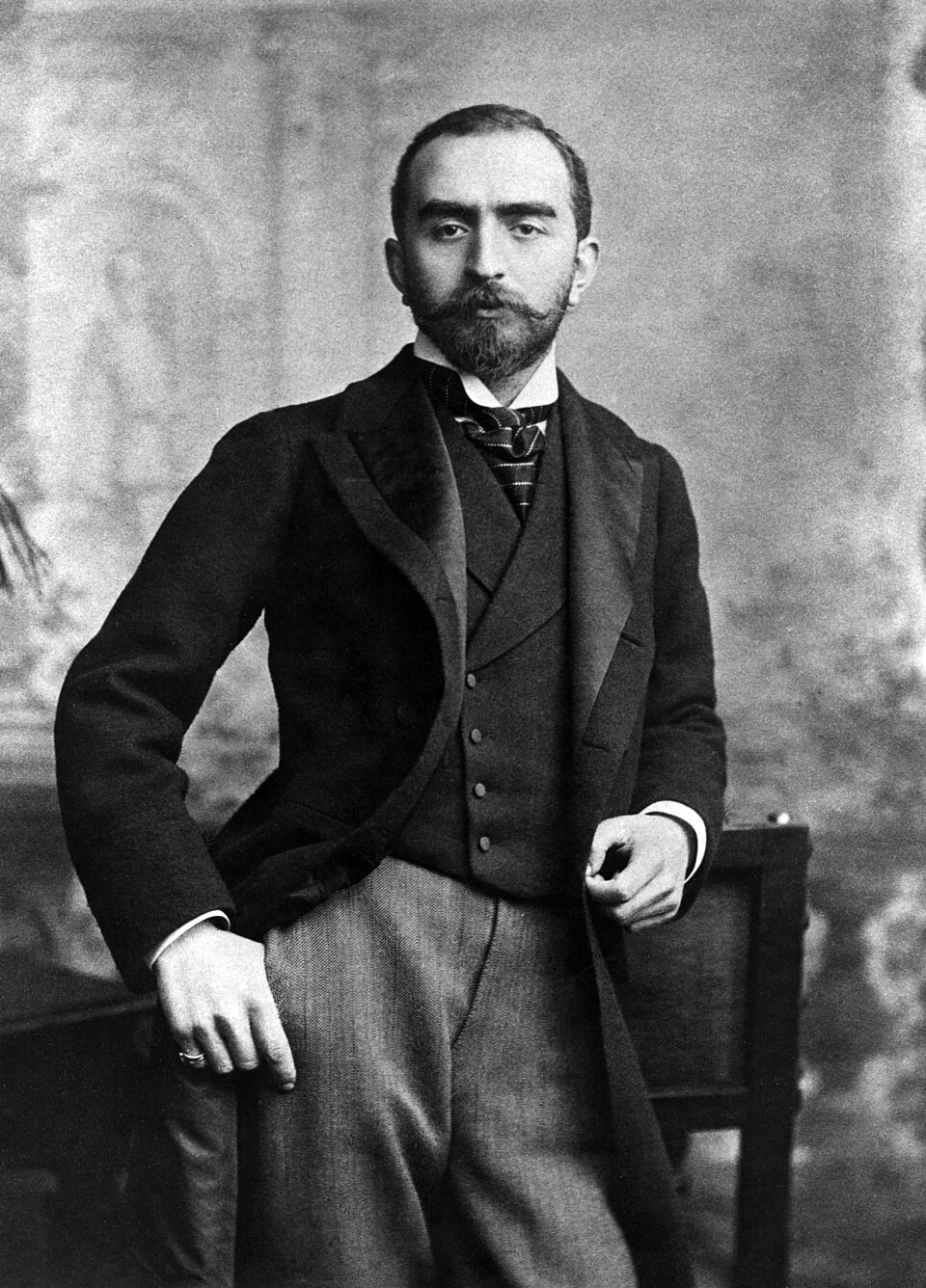
0 sources
Summary
Calouste Gulbenkian was born on March 23, 1869[1], in Üsküdar[2]. He died on July 20, 1955[3], in Lisbon[4]. He worked as a businessperson[5], entrepreneur[6], engineer[7], diplomat[8], and patron of the arts[9]. He ranks in the top 0.68% of human entities by monthly Wikipedia readership (5,982 views/month, #6,838 of 1,000,298).[10]
Key Facts
- Date of birth: March 29, 1869[11]
- Place of burial: St Sarkis, Kensington[12]
- Child: Nubar Gulbenkian[13], Rita Sirvante Gulbenkian[14]
- Country of citizenship: Ottoman Empire[15], United Kingdom of Great Britain and Ireland[16], Portugal[17]
- Ethnic group: Armenians[18]
- Occupation: adventurer[19], smuggler[20], art collector[21], writer[22]
- Position held: president[23]
- Employer: National Bank of Turkey[24]
- Educated at: St. Joseph High School[25], King's College London[26]
- Notable work: La Transcaucasie et la péninsule d'Apchéron[27]
- Award received: Grand Cross of the Military Order of Christ[28]
- Sex or gender: male[29]
- Family: Rshtuni[30]
- Founder: Iraq Petroleum Company[31], Calouste Gulbenkian Foundation[32]
- Commons category: Calouste Gulbenkian[33]
- Family name: Gulbenkian[34]
- Given name: Calouste[35]
- Pseudonym: Monsieur 5%[36]
- Topic's main category: Category:Calouste Gulbenkian[37]
- Commons gallery: Calouste Gulbenkian[38]
- Described by source: Armenian Soviet Encyclopedia, vol. 5[39]
- Languages spoken, written or signed: French[40], English[41], Ottoman Turkish[42], Armenian[43]
- Nickname: Monsieur 5%[44]
- Birth name: Գալուստ Սարգիս Կիւլպէնկեան[45]
- Owner of: Domaine des Enclos[46], Flowers and Fruit[47], The Terrace[48], A Game of Horse and Rider[49], A Game of Hot Cockles[50], Fanciful View of the Castel Sant'Angelo, Rome[51], Portrait of Anne Louis Goislard de Montsabert, Comte de Richbourg-le-Toureil[52], Still Life with Flowers and Fruit[53]
Body
Works and Contributions
Things named for Calouste Gulbenkian include Calouste Gulbenkian Museum[54], a museum building[55], in Portugal[56], founded in 1969[57], headquartered in Lisbon[58]; Calouste Gulbenkian Foundation[59], a foundation[60], in Portugal[61], founded in 1956[62], headquartered in Calouste Gulbenkian Foundation headquarters[63]; and Gulbenkian Prize for Humanity[64], an award[65], in Portugal[66], founded in 2020[67].
Why It Matters
Calouste Gulbenkian has Wikipedia articles in 21 language editions, a strong signal of global cultural recognition.[68] He is known by 38 alternative names across languages and contexts.[69]
Entities named for him include Calouste Gulbenkian Museum[54], a museum building[55], in Portugal[56], founded in 1969[57], headquartered in Lisbon[58]; Calouste Gulbenkian Foundation[59], a foundation[60], in Portugal[61], founded in 1956[62], headquartered in Calouste Gulbenkian Foundation headquarters[63]; and Gulbenkian Prize for Humanity[64], an award[65], in Portugal[66], founded in 2020[67].
FAQs
Where was Calouste Gulbenkian born?
Calouste Gulbenkian was born in Üsküdar[2].
Where did Calouste Gulbenkian die?
Calouste Gulbenkian passed away in Lisbon[4].
What did Calouste Gulbenkian do for work?
Calouste Gulbenkian worked as a businessperson[5], entrepreneur[6], engineer[7], diplomat[8], and patron of the arts[9].
Where did Calouste Gulbenkian go to school?
Calouste Gulbenkian was educated at St. Joseph High School[25] and King's College London[26].
What awards did Calouste Gulbenkian receive?
Honors received include Grand Cross of the Military Order of Christ[28].