
Accipiter poliocephalus
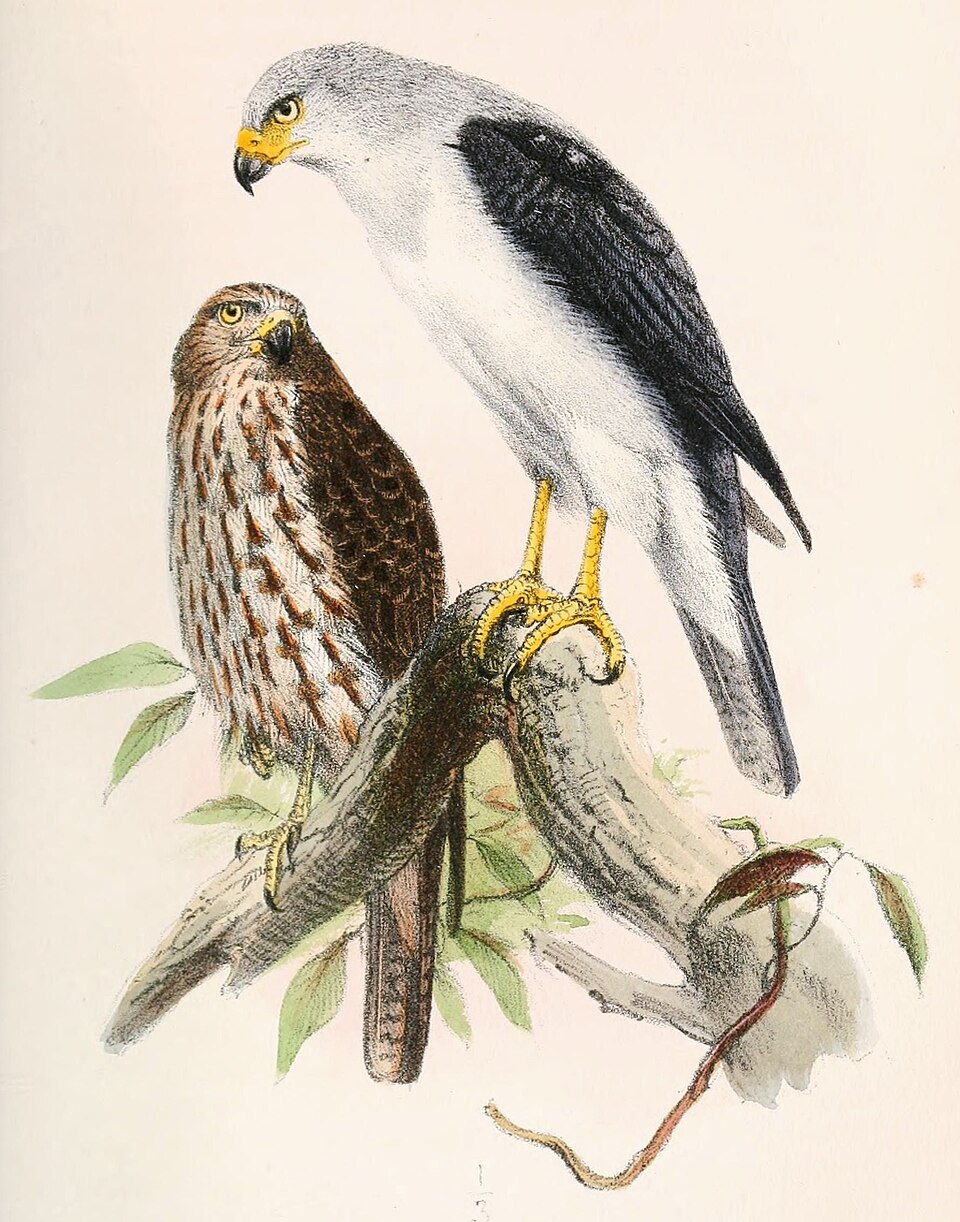
0 sources
Accipiter poliocephalus
Summary
Accipiter poliocephalus is a taxon[1]. It has Wikipedia articles in 14 language editions, a strong signal of global cultural recognition.[2]
Key Facts
- Accipiter poliocephalus's instance of is recorded as taxon[3].
- Accipiter poliocephalus is classified at the rank of species[4].
- Accipiter poliocephalus's IUCN conservation status is recorded as Least Concern[5].
- Accipiter poliocephalus belongs to the parent taxon Accipiter[6].
- Under binomial nomenclature, Accipiter poliocephalus is Accipiter poliocephalus[7].
- Accipiter poliocephalus's Commons category is recorded as Accipiter poliocephalus[8].
- Accipiter poliocephalus is commonly known as {'lang': 'cy', 'text': 'gwalch Papwa'}[9].
- Accipiter poliocephalus is commonly known as {'lang': 'en', 'text': 'Grey-headed Goshawk'}[10].
- Accipiter poliocephalus is commonly known as {'lang': 'de', 'text': 'Aschkopfhabicht'}[11].
- Accipiter poliocephalus is commonly known as {'lang': 'es', 'text': 'Gavilán cabecigrís'}[12].
- Accipiter poliocephalus is commonly known as {'lang': 'ca', 'text': 'astor capgrís'}[13].
- Accipiter poliocephalus is commonly known as {'lang': 'cs', 'text': 'krahujec šedobílý'}[14].
- Accipiter poliocephalus is commonly known as {'lang': 'et', 'text': 'hallpea-raudkull'}[15].
- Accipiter poliocephalus is commonly known as {'lang': 'nb', 'text': 'Gråhodehauk'}[16].
- Accipiter poliocephalus is commonly known as {'lang': 'ru', 'text': 'Новогвинейский пепельноголовый тетеревятник'}[17].
- Accipiter poliocephalus is commonly known as {'lang': 'ja', 'text': 'ハイガシラオオタカ'}[18].
- Accipiter poliocephalus is commonly known as {'lang': 'da', 'text': 'Gråhovedet Duehøg'}[19].
- Accipiter poliocephalus is commonly known as {'lang': 'fi', 'text': 'harmaalintuhaukka'}[20].
- Accipiter poliocephalus is commonly known as {'lang': 'hu', 'text': 'új-guineai héja'}[21].
- Accipiter poliocephalus is commonly known as {'lang': 'pl', 'text': 'krogulec nowogwinejski'}[22].
- Accipiter poliocephalus is commonly known as {'lang': 'sk', 'text': 'jastrab sivý'}[23].
- Accipiter poliocephalus is commonly known as {'lang': 'sv', 'text': 'gråhuvad hök'}[24].
- Accipiter poliocephalus is commonly known as {'lang': 'nl', 'text': 'Bleke Sperwer'}[25].
- Accipiter poliocephalus is commonly known as {'lang': 'fr', 'text': 'Autour à tête grise'}[26].
- Accipiter poliocephalus is commonly known as {'lang': 'it', 'text': 'Astore testagrigia'}[27].
Body
Classification
Under binomial nomenclature, Accipiter poliocephalus is Accipiter poliocephalus[7]. It is classified at the rank of species[4]. It belongs to the parent taxon Accipiter[6]. Recorded taxon common name include {'lang': 'cy', 'text': 'gwalch Papwa'}[9], {'lang': 'en', 'text': 'Grey-headed Goshawk'}[10], {'lang': 'de', 'text': 'Aschkopfhabicht'}[11], {'lang': 'es', 'text': 'Gavilán cabecigrís'}[12], {'lang': 'ca', 'text': 'astor capgrís'}[13], and {'lang': 'cs', 'text': 'krahujec šedobílý'}[14].
Identifiers
Accipiter poliocephalus's iNaturalist taxon ID is recorded as 5086[28]. Accipiter poliocephalus's NCBI taxonomy ID is recorded as 387804[29]. Accipiter poliocephalus's Encyclopedia of Life ID is recorded as 1048396[30]. Accipiter poliocephalus's GBIF taxon ID is recorded as 2480607[31]. Accipiter poliocephalus's ITIS TSN is recorded as 175336[32].
Why It Matters
Accipiter poliocephalus has Wikipedia articles in 14 language editions, a strong signal of global cultural recognition.[2] It is known by 7 alternative names across languages and contexts.[33]