
virtue
morally positive trait or quality deemed to be morally good
Press Enter · cited answer in seconds
0 sources
virtue
Summary
virtue is a concept[1]. virtue ranks in the top 5% of concept entities by monthly Wikipedia readership (2,017 views/month).[2]
Key Facts
- virtue's instance of is recorded as concept[3].
- virtue's instance of is recorded as pattern of behavior[4].
- virtue's instance of is recorded as type of value[5].
- virtue is a type of moral quality[6].
- virtue is part of psychological terminology[7].
- virtue's Commons category is recorded as Virtue[8].
- virtue's said to be the same as is recorded as Q46999631[9].
- virtue is the opposite of vice[10].
- virtue is the opposite of sin[11].
- virtue's topic's main category is recorded as Category:Virtue[12].
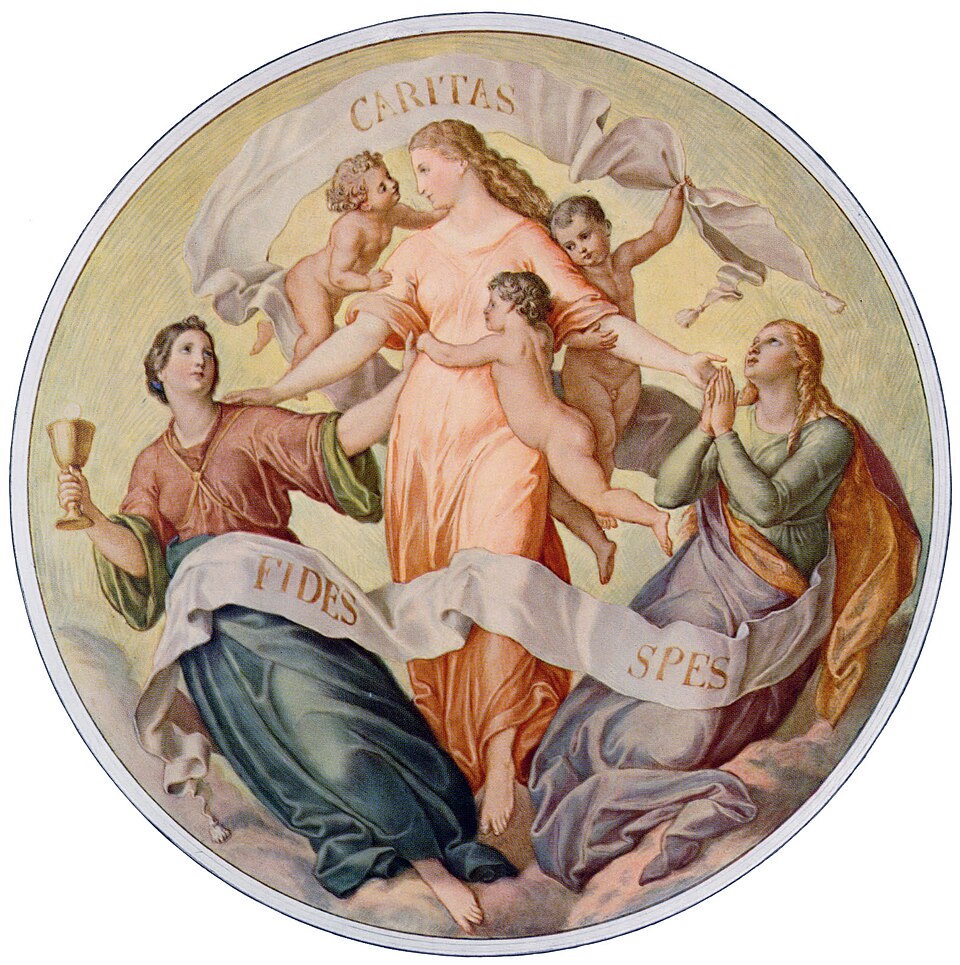
- virtue's depicted by is recorded as Allegory of Virtue[13].
- virtue's described by source is recorded as Brockhaus and Efron Encyclopedic Dictionary[14].
- virtue's described by source is recorded as Small Brockhaus and Efron Encyclopedic Dictionary[15].
- virtue's described by source is recorded as Lean Logic[16].
- virtue's described by source is recorded as Armenian Soviet Encyclopedia, vol. 1[17].
- virtue's described by source is recorded as Red Blue Translator[18].
- virtue's partially coincident with is recorded as value[19].
- virtue's topic has template is recorded as Template:Virtues[20].
- virtue's has characteristic is recorded as good[21].
- virtue's different from is recorded as virtuoso[22].
- virtue's on focus list of Wikimedia project is recorded as Wikipedia:Vital articles/Level/4[23].
Body
Definition and Type
Recorded instance of include concept[3], pattern of behavior[4], and type of value[5]. virtue is a type of moral quality[6]. Recorded opposite of include vice[10] and sin[11].
Use and Application
virtue is part of psychological terminology[7].
Why It Matters
virtue ranks in the top 5% of concept entities by monthly Wikipedia readership (2,017 views/month).[2] virtue has Wikipedia articles in 30 language editions, a strong signal of global cultural recognition.[24] virtue is known by 43 alternative names across languages and contexts.[25]